


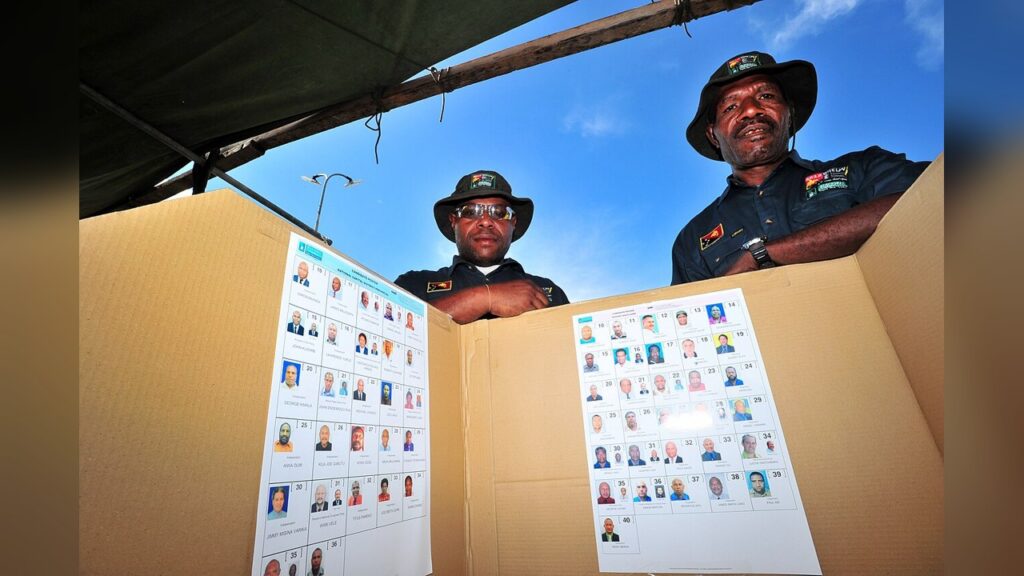
Big-city mayors are handing panic buttons to poll workers. County officials are war-gaming what happens if immigration raids materialize near voting centers. Lawyers for Democratic states are pre-writing legal challenges to ballot seizures before any ballots are seized. This is where we are in August 2026: the people who actually run American elections are preparing for a sitting president to try to steal the midterms, and they are doing it quietly because speaking too loudly might tip off the administration or terrify the public.
The quiet part is the maddening part. Election officials and civic organizations are forced into a defensive crouch, working behind the scenes to protect a constitutional process that should need no protection from the person sworn to defend it. Arizona Secretary of State Adrian Fontes, the official responsible for overseeing his state’s elections, named the threat plainly: “The number one threat facing American elections is the continued lies coming out of the White House.”
Donald Trump took to primetime television last month to declare, again, that the 2020 election was illegitimate. He accused China of interfering. US investigators had already concluded that China did not interfere in the election. The declassified record shows China downloaded publicly available voter data in 2022. That is not the same thing, and Trump knows it, and it does not matter, because the claim was never meant to be true. It was meant to be a pretext.
 Edmond Dantès / Pexels
The pretext machinery is already running. Trump is pushing the Save Act, stalled in Congress, which would require voters to present a passport or birth certificate to register and a narrow form of photo ID to cast a ballot. It would sharply restrict mail-in voting and force states to hand their voter rolls to the federal government. Campaigners have been clear that these restrictions would fall hardest on Black, Native, elderly, and student voters. That is not a side effect. That is the design.
Ben Berwick, who leads Protect Democracy’s election law team, stated the obvious: “We have an election system that is not run by the federal government. It’s run by states and local jurisdictions.” The president “really has no power over elections.” So Trump is doing what he can with what he has. He fired the Democratic members of the Election Assistance Commission. The Republican members resigned. The agency has no commissioners. His Department of Government Efficiency cut more than a third of the Cybersecurity and Infrastructure Security Agency’s staff, including the entire team focused on election cybersecurity threats. Hannah Fried, co-founder and CEO of All Voting Is Local, called the irony by its name: an administration claiming to secure elections while gutting the agencies responsible for securing them.
The FBI already raided Fulton County, Georgia, in January, seizing 2020 ballots and election materials. Berwick warned that the administration “may try to do something similar in the immediate post-election period under the sort of pretext of investigating ineligible voting” in a way designed to “disrupt the ability of states to count votes and certify elections.”
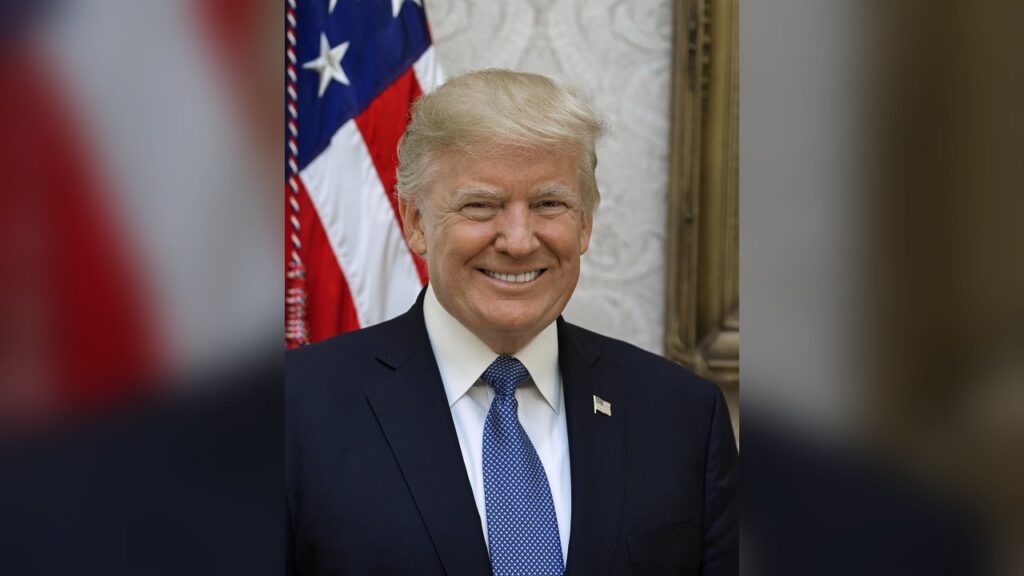 Shealeah Craighead (Public domain) via Wikimedia Commons
Trump’s approval rating sits at 37 percent. Republicans are on course to lose seats in the Senate and House. Historically, incumbent parties underperform in midterms. A president facing that math who spends his primetime addresses resurrecting debunked claims about an election he lost six years ago is not concerned with election integrity. He is building the narrative scaffolding to challenge results he does not like.
Fontes called it a powder keg. He is right. The memory of January 6 is not a memory. It is a preview of what happens when a president tells his supporters an election was stolen and then loses another one.
The organizers, the election officials, the civic groups, the lawyers pre-writing challenges at midnight, the mayors issuing panic buttons to poll workers who signed up to hand out “I Voted” stickers. They are doing the work. They need reinforcements. Congress must kill the Save Act, restore the Election Assistance Commission, and fund CISA’s election security capacity. Every state legislature that has not passed protections for poll workers and election administrators should do so before November. The courts that have blocked Trump’s voter-roll power grabs must hold. And every voter who understands what is at stake needs to show up in numbers large enough that no pretext can close the gap.