


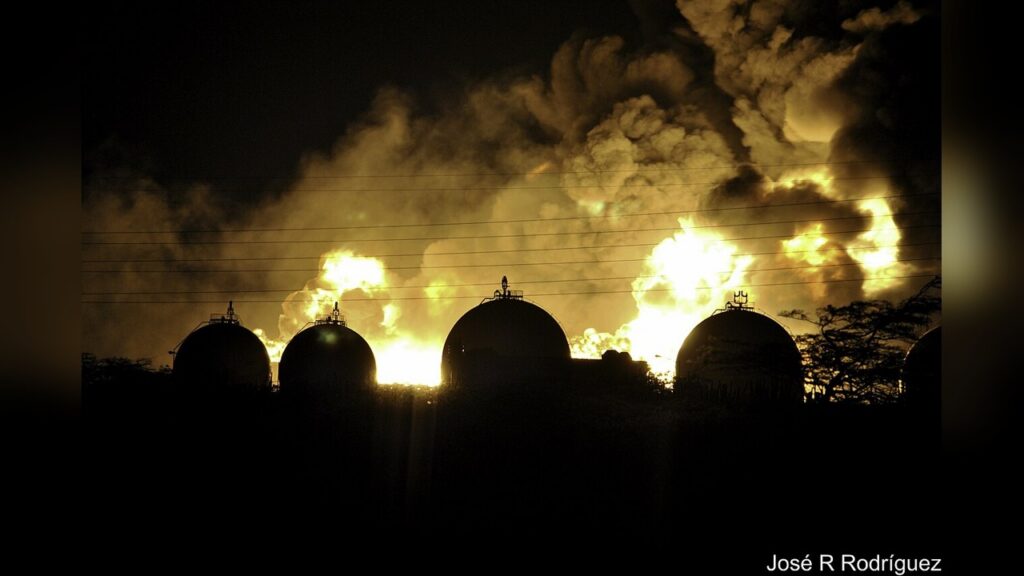
So the “energy ceasefire” lasted exactly as long as it took for the Russians to reload. President Trump announced it Sunday with all the fanfare of a man who just discovered the art of the deal, and by Thursday morning a refinery in Ryazan was on fire and Zelensky was telling the Financial Times, “We’re done.” Three days. Ukraine held its fire for three days, and what did they get for it? Roughly 40 ballistic missiles and more than 850 drones lobbed at 15 of their regions, per Zelensky’s own count. Three civilians dead in Kirovohrad. That’s the ceasefire, folks. That’s what passes for diplomacy when it’s brokered by people who think you’re not paying attention.
And here’s the part the talking heads keep rushing past. CNBC reported it plainly, so I don’t have to guess: while Ukraine was honoring the truce, somebody put speed limits on their Starlink terminals. Moving terminals got throttled, no notification, and the restrictions hit Starshield too, the military-grade network. Ukraine lost its advance warning on incoming ballistic missiles. Right in the middle of a Russian barrage. Zelensky’s own tech adviser, Serhii Beskrestnov, said it flat: this “cannot be a coincidence and is related to the current political situation.” Now, I’ve been around long enough to know that when a government adviser says something out loud, it’s usually the polite version of what everybody in the building is screaming.
Elon Musk, to his credit, didn’t even bother hiding the hand on the switch. “Starshield systems are owned and controlled by the US government,” he posted. Translation: don’t look at me, look at Washington. And the White House? No comment. Of course no comment. The dog ate the comment.
Now ask the question the experts never ask: who benefits? Trump wanted oil and diesel prices down before the midterms next month. He announced the ceasefire on a Sunday for that exact purpose, it’s right there in the reporting, not my invention. And NPR notes he cut a deal to import Russian diesel. Russian diesel. While the whole sanctions apparatus is supposedly squeezing Putin. So the sequence is: announce a ceasefire timed to the election, get Ukraine to stand down, throttle their comms when they notice they’re being set up, and buy fuel from the guy doing the bombing. You tell me that’s a peace plan. I say it’s a price plan. Zelensky told Piers Morgan he felt betrayed, “Really, yes,” and the man is being diplomatic, because from where I sit it looks like he was told to hold the door open and then got hit with the door.
Here’s my honest read, and I’ll say it as suspicion, not sworn testimony: the official story is that this was all about peace and pump prices, and the official story doesn’t add up. Ceasefires that only one side observes aren’t ceasefires, they’re ambushes with paperwork. And a “partner” that quietly degrades your missile warnings mid-barrage isn’t a partner, it’s a third party to the attack. Zelensky warned U.S. officials Russia would violate the truce. He was right. The experts were wrong again. At some point you’d think somebody in that town would start keeping score.
The little guy in this story isn’t in Washington and he isn’t in Moscow. He’s in Kirovohrad, and he’s the one who catches the drone at 3 a.m. while men in suits trade his airspace for a nickel off the price of diesel. Zelensky finally figured out the game and took the leash off. Good. When the deal on the table is “stand still while you get hit,” the only sane move is to stop standing still.
They’ll call this escalation. I call it arithmetic.