


Pierre Damas Bel was 20 years old. He was an honors neuroscience freshman at Wright State University. He played soccer. He was a JROTC member. He came to this country from Haiti to study, to build something, to live. On August 31, he died by suicide.
His family says the killing policy had a name: Temporary Protected Status, revoked. In July, Bel became one of roughly 340,000 Haitians whose TPS expired after the Supreme Court washed its hands and declined to intervene. Late that same month, ICE strapped an electronic ankle monitor to his leg. The device tracked his every movement. It marked him. It followed him onto campus, onto the field, into every room he entered for the rest of his short life.
“After my son was outfitted with this ankle monitor, he felt like he was treated like an animal,” his father, Pierre Ronal Bel, wrote in a statement.
Bel himself posted a photograph of the monitor on Instagram in late July. “I came to this country to pursue my education,” he wrote. “I didn’t come here to commit a crime or hurt anyone. Yet now I’m walking through the streets of the United States with a GPS monitor on my leg, carrying a feeling of shame and humiliation that I never imagined I would experience.” He asked a question that should haunt every person in this country with a conscience: “How am I supposed to play college sports with a GPS monitor on my leg?”
No one at ICE answered him. They were busy drafting a statement. “No one is required to stay in the United States illegally and wear a monitor,” an ICE spokesperson said. “Any attempts to blame ICE for the death of Pierre Damas Bel are false.” Read that sentence again. A 20-year-old honors student is dead, and the federal agency that tracked him like livestock wants you to know it is the real victim here. The cruelty is not a side effect. It is the mechanism. It is the point.
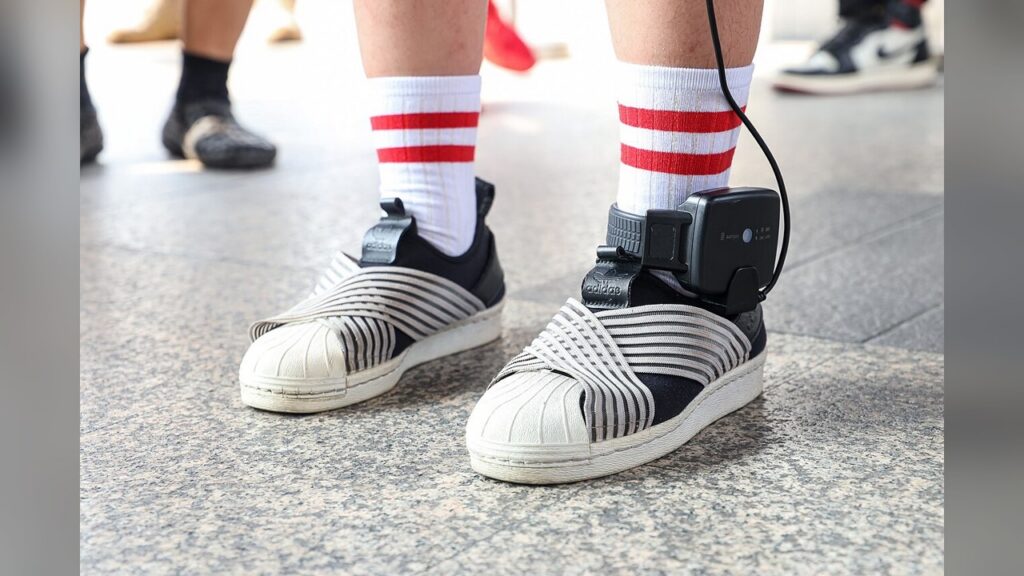 This Photo was taken by Adirach Toumlamoon. Feel free to use any of my images, (CC BY 4.0) via Wikimedia Commons
Guerline Jozef of the Haitian Bridge Alliance named it plainly: “These policies are what caused his untimely death.” Vilés Dorsainvil of the Haitian Support Center in Springfield, who is supporting the family, has said deportation to Haiti is a matter of “life and death.” The State Department’s own travel advisory warns of kidnappings, sexual assault, and robbery. “There is no safe place in Haiti,” Dorsainvil said. The government knows this. It has always known this. It revoked TPS anyway.
Even Ohio’s Republican governor, Mike DeWine, called Bel’s death a “horrible, horrible tragedy” and said ending TPS for Haitian residents was “misguided and wrong.” When Mike DeWine is your moral compass, the needle has broken off.
The Trump administration has already sent two deportation flights to Haiti since canceling TPS. Next in line: approximately 180,000 Salvadorans whose protected status could end September 9. The Department of Homeland Security has not said whether that designation will be extended. The silence is its own announcement.
Pierre Damas Bel had an asylum hearing scheduled for October. He did not make it to October. He was 20. He wanted to study neuroscience. He wanted to play soccer. He wanted to live without a GPS device bolted to his body. This country denied him all three, and the agency responsible issued a press release saying it did nothing wrong.
Restore TPS for Haitians now. End ankle monitors for people who have committed no crime. And stop pretending this was an accident. A system that treats a 20-year-old honors student as a criminal and then expresses surprise when he breaks is not broken. It is working exactly as designed. That is what must be dismantled.