



There is a particular genre of political coverage, exhausted and exhausting in equal measure, that treats every “first” as a feel-good story. A barrier broken. A ceiling shattered. A press release drafted. The structural conditions that produced the barrier in the first place go conveniently unexamined, because examining them would require acknowledging that the barrier was not an accident but an architecture.
So let us be precise about what is happening in Washington’s 37th Legislative District. Jaelynn Scott, who leads the Lavender Rights Project and ran on a platform of taxing corporations to fund housing and healthcare, took 88 percent of the primary vote. Her opponent was a college student running as an independent, which is to say the district’s voters were not offered a contest so much as a referendum. The referendum produced a result.
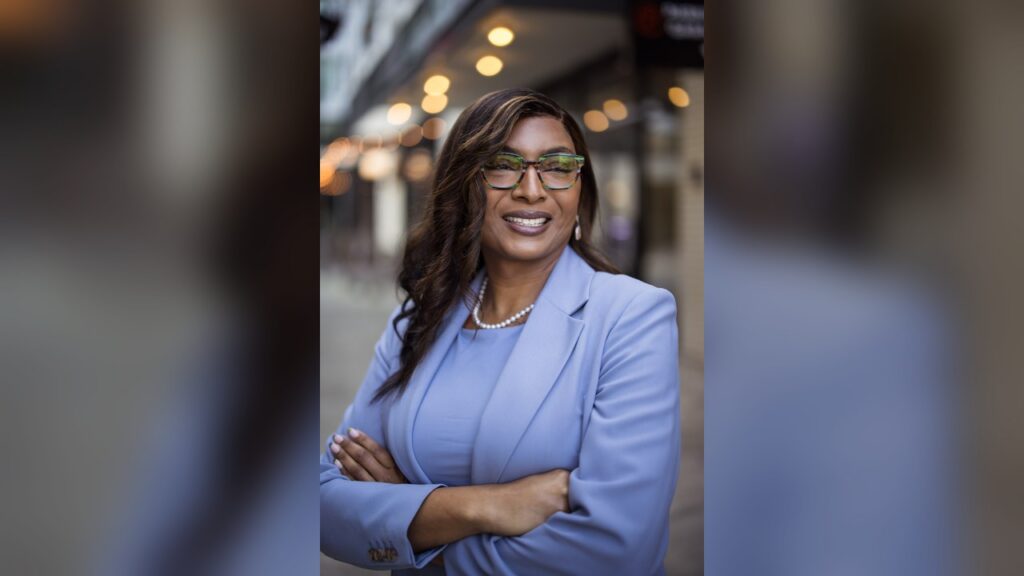 JPS10000 (CC0) via Wikimedia Commons
Scott will likely become Washington’s first openly transgender legislator. She will also, as the literature on descriptive representation would predict and as the reporting confirms, be the first Black openly trans state lawmaker elected anywhere in the country. The distinction between “openly” and “elected” matters here. Althea Garrison served a term in the Massachusetts House in the 1990s, but she was outed while in office and did not publicly confirm her transgender identity until years later. The difference between being dragged into visibility and choosing it is not a footnote. It is the entire analytical framework.
What the comfortable centrists in the state Legislature will discover, to their evident discomfort, is that Scott did not run to be a symbol. She ran because the Legislature, in her characterization, has taken “an incrementalist approach and one that is too moderate.” She told the Washington State Standard that the urgency of the moment “demanded that I try at least to go in to be a voice for the community.” This is the language of someone who has concluded that the existing institutional channels for advocacy, including her own organization’s considerable work, have run up against the limits of what external pressure can achieve from outside a legislative body. The logical next step, when institutions are unresponsive, is to occupy them.
 david hou / Pexels
And here is where the story stops being merely heartwarming and becomes structurally interesting. Scott is a member of the Democratic Socialists of America. She would join Rep. Shaun Scott, no relation, as one of only two DSA members in the Legislature. Two Scotts, both democratic socialists, both pushing to tax major corporations, both representing Seattle districts. Shaun Scott’s payroll tax proposal went nowhere this year, which tells you everything about the institutional appetite for redistributive policy in a state that likes its progressive reputation considerably more than it likes progressive outcomes. The arrival of a second voice making the same argument from a different set of lived experiences does not guarantee legislative success. But it does alter the discursive terrain, which is where structural change begins.
Meanwhile, the November ballot will feature a conservative-backed initiative to bar transgender girls from school sports, alongside a parental rights measure, both from Let’s Go Washington. Scott