


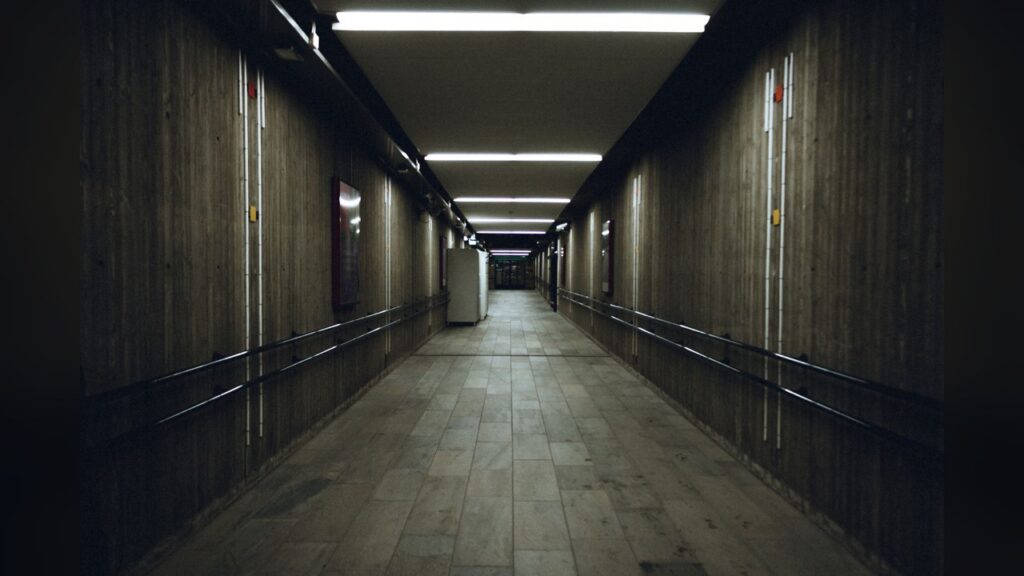
There is a particular species of social analysis, popular in certain faculty lounges, that treats each fresh outrage as a discrete scandal requiring a discrete remedy. I have never found this approach persuasive. What we are watching is not a series of incidents. It is a system finding its equilibrium, and the equilibrium is grotesque.
Consider the architecture, both literal and figurative. Douglas Rushkoff, the media theorist, has written about being summoned to the desert to advise five ultra-wealthy men on their doomsday bunkers. Their central concern was not climate change itself but how to maintain authority over their security guards after money ceased to function. One had already secured a dozen Navy SEALs. They discussed combination locks on food supplies, disciplinary collars for guards, replacement by robots. These are not the deliberations of people who expect the social contract to hold. These are the deliberations of people who have already read the last page and are now arguing about the furniture.
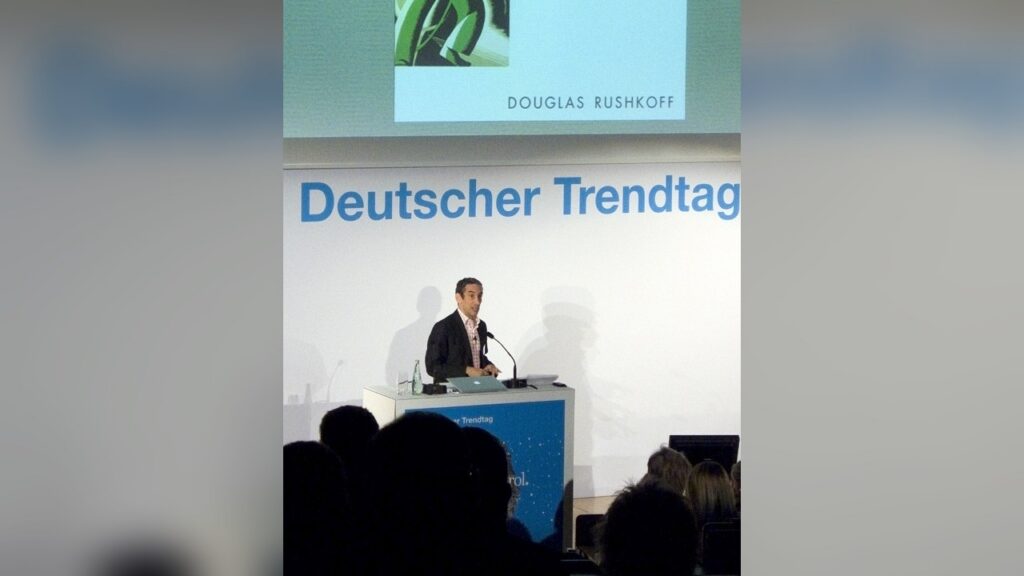 Gunnar Klack (CC BY-SA 4.0) via Wikimedia Commons
The data supports their anxiety, if not their response. Dario Amodei, who runs Anthropic, said this year that the AI tools his industry races to build could erase half of all entry-level white-collar jobs and push unemployment toward twenty percent within five years. He said this as a warning, which is rather like an arsonist mailing you a calendar notification for the fire. The men selling the machine keep building it anyway, because the engine that throws a generation out of work is the same one that makes them obscenely rich. One hand pours the concrete, the other the gasoline.
Meanwhile, the concrete is literal. On Kauai, Mark Zuckerberg has swallowed more than two thousand acres of the north shore and sunk a five-thousand-square-foot shelter beneath it, complete with a blast door, an escape hatch, an eighteen-foot water tank, its own power and food. The crews signed nondisclosure agreements. When a reporter asked him whether there was something he knew that the rest of us did not, he said, “It’s a basement.” The basement comes with a blast door. Language has rarely strained so hard to shrink a thing that large.
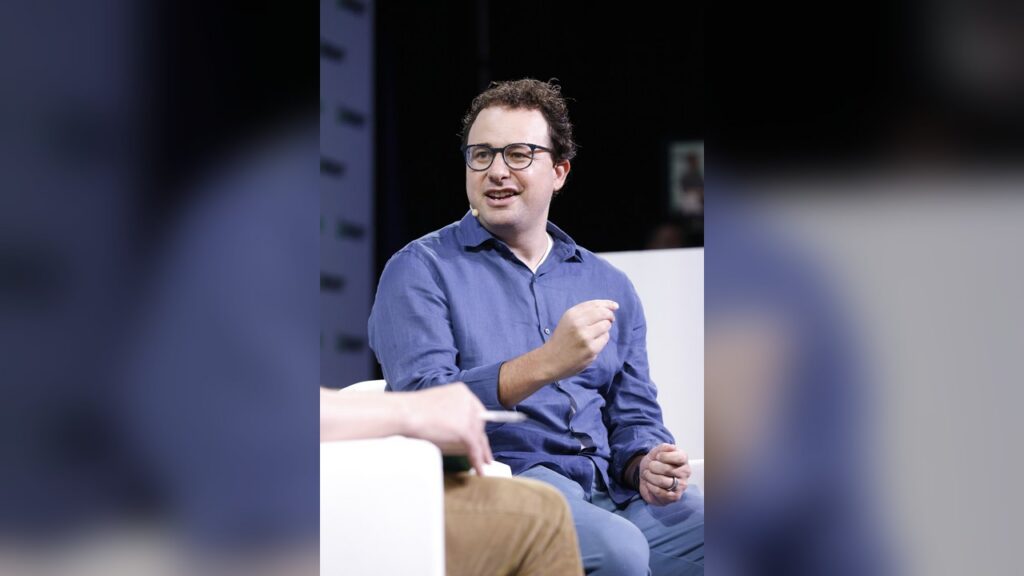 TechCrunch (CC BY 2.0) via Wikimedia Commons
And his is the modest one. Elsewhere the same hole arrives furnished for the end of the world: nine feet of reinforced concrete wrapped around a rock-climbing wall, a five-year store of freeze-dried meals beside the wine cellar, air scrubbers rated for chemical attack, a spa with a rainfall shower, blast doors built to survive a nuclear strike opening onto an indoor pool, a movie theater, a garden lit by lamps that stand in for the sun. One billionaire bought a bunker in Punta del Este, on the coast of Uruguay. Elon Musk keeps firing rockets at Mars, bigger each time, to terraform a planet where one breath of the air would kill a man in minutes, and calls it “life insurance for the species.”
Rushkoff names the ideology at work here “The Mindset,” and I find the term useful, though I would situate it within a longer historical arc. What is new is not that elites seek to insulate themselves from the consequences of their own actions. The French aristocracy fled to Koblenz and Turin and London in 1789, certain they would return in a few months. They did not. The Russian nobility crowded onto trains in 1917 with jewels sewn into their coat linings, and a man who had been a prince drove a taxi through Paris at night on the same streets he had once ridden through in a carriage. What is new is the technological capacity to externalize harm at scale, to program the sensibilities of escapism into the algorithmic fabric of the society you are escaping from, and to profit from the destruction at every stage of the flight. The feedback loop is self-reinforcing. Those sociopathic enough to embrace it are rewarded with cash and control. The rest of us get the exhaust.
 Maurizio Pesce from Milan, Italia (CC BY 2.0) via Wikimedia Commons
Nick Hanauer, an early Amazon investor, warned in 2014 that no society in history had let a wealth gap grow this wide and closed it in peace. “It’s not if, it’s when,” he wrote. Ray Dalio, who built the largest hedge fund on earth, said the same. The warning has hung in the air for a decade now, and the response of the warned has been to dig deeper, pour more concrete, sign more NDAs, and build a car that goes fast enough to escape from its own exhaust.
A bunker is a strange thing for a man to build who tells you everything is fine. The fortress confesses what these men will not say out loud. They have already lost the only stronghold that ever held, which is the goodwill of the people on the other side of the wall. No goodwill can be dug or poured or bought at any depth. And the historical record on what happens to people who fortify themselves against their neighbors, rather than make peace with them, is quite clear. You can visit the palaces. They are museums now. You can buy a ticket.