


For two years, a coordinated chorus of content creators, PR operatives, and credulous podcasters told anyone who would listen that the New York Times fabricated its investigation into Justin Baldoni and Wayfarer Studios. “Doctored communications.” “Hit piece.” “Cherry-picked.” They said it on camera, on feeds, on repeat. They built audiences on it. Not one of them ever said it in a courtroom.
That is because in a courtroom, lying has consequences. And the truth, as it turns out, was worse than what the Times printed.
In December 2024, reporters Megan Twohey, Julie Tate, and Mike McIntire published “We Can Bury Anyone: Inside a Hollywood Smear Machine,” a story built on primary-source text messages showing that Baldoni’s team had hired a crisis PR operation to destroy Blake Lively after she complained about on-set conduct. Twohey is one of the reporters who broke the Harvey Weinstein story. Her track record survived the most hostile scrutiny money could buy then, and it has survived now.
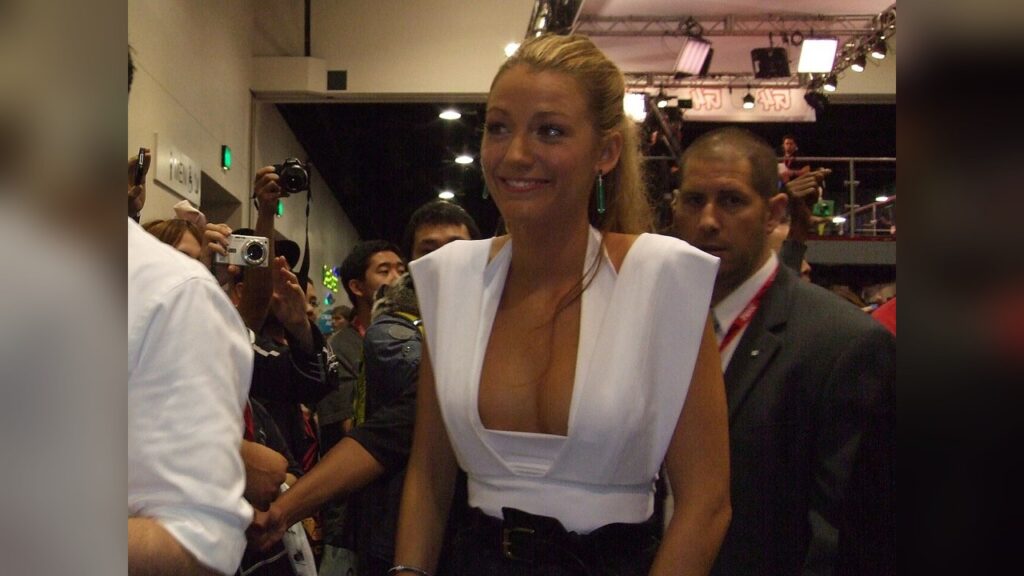 Sue Lukenbaugh from Sacramento, USA (CC BY-SA 2.0) via Wikimedia Commons
Baldoni’s lawyer Bryan Freedman called the claims “completely false, outrageous and intentionally salacious.” He told Deadline the article was built on “doctored communications.” He sued the Times for $250 million and Lively and Ryan Reynolds for $400 million. An entire cottage industry of commentators who never read a single filing amplified those talking points daily, while the PR machine the Times had exposed kept right on running.
Here is what actually happened in court.
On June 9, 2025, Judge Lewis Liman of the Southern District of New York dismissed the entire case. All of it. The $400 million suit against Lively and Reynolds. The defamation claim against the Times. In a 132-page opinion, Liman noted that the authenticity of the text messages “has not been disputed by the Wayfarer Parties” and that “there are no allegations that the messages suggestive of a smear campaign were inauthentic.” The people screaming “doctored” on podcasts never once said it where it counted.
The judge walked through the record. “She can be buried.” The “social combat plan.” “Plant pieces… of how horrible Blake is to work with.” He concluded that the messages about sending negative content were “inexplicable unless the Wayfarer Parties were spreading negative content about Lively.” Then the sentence that should have ended the conversation: “A reader of those messages would have little doubt that the Wayfarer Parties engaged in a smear campaign.”
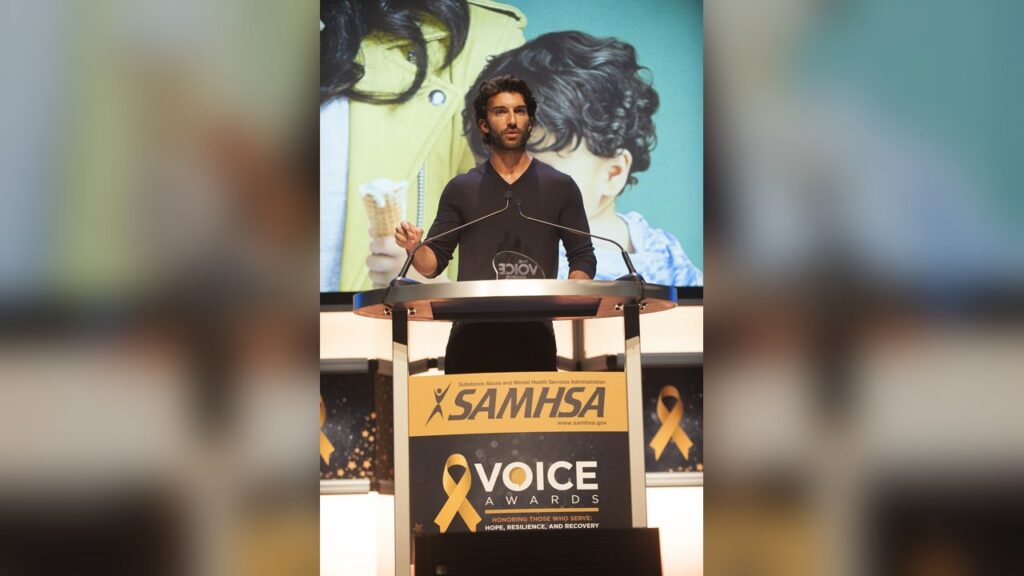 SAMHSA from Rockville (Public domain) via Wikimedia Commons
On the journalists, Liman found the Times “reviewed the available evidence and reported… what it believed to be true” and “had evidence to support that narrative.” The fair report privilege applied. No actual malice. No defamation. No case.
Then a New York state judge went further in the anti-SLAPP proceeding, finding the case against the Times “lacked a substantial basis in fact and law” and ordering Wayfarer to pay the paper $171,616.20. That is what happens when you use litigation to silence reporting. The law has a remedy, and in this instance, it worked.
The texts themselves, now public court records, Bates-stamped and unedited, are devastating. On August 2, 2024, four days before the premiere of “It Ends With Us,” Baldoni texted that he was “[n]ot in love with the document” his crisis team had sent. His publicist Jennifer Abel relayed to crisis PR specialist Melissa Nathan that Baldoni “wants to feel like she [Lively] can be buried.” Nathan, whose past clients include Johnny Depp, is the author of the line that became the headline: “You know we can bury anyone.”
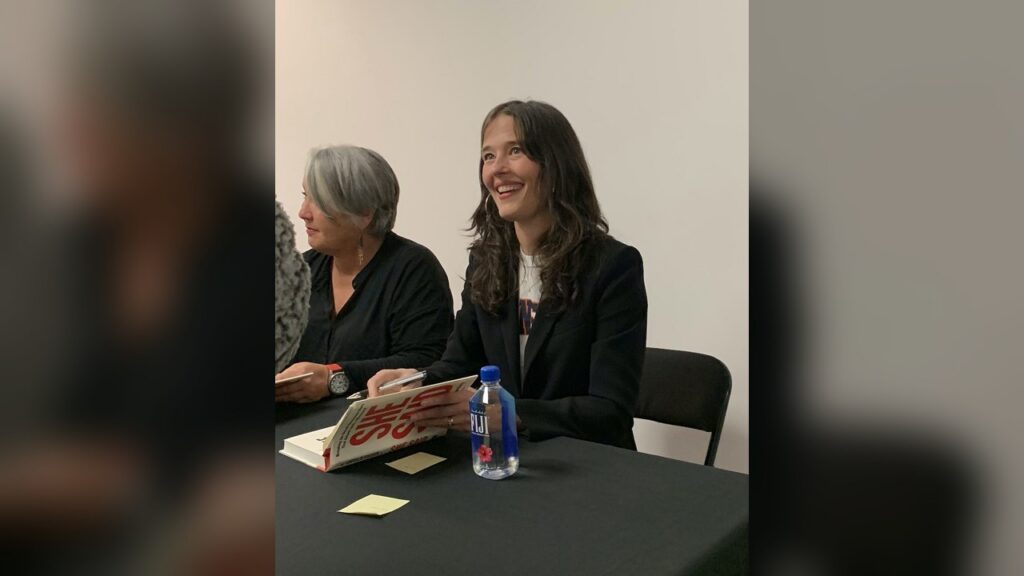 Nurbek Matzhani (CC BY-SA 4.0) via Wikimedia Commons
This was never a he-said-she-said. It was a documented, coordinated campaign to punish a woman for speaking up, and then a second campaign to punish the journalists who reported on the first one. The same playbook, twice. The irony is not subtle. It is structural.
What this case demonstrates is that smear machines depend on two things: money and silence. Steve Sarowitz, the billionaire who bankrolled Wayfarer, put roughly $30 million into the studio. That money hired the PR firm, the digital operatives, the litigators. What it could not buy was a court record. Discovery forced the documents into the light. A federal judge read them. And the narrative collapsed.
Anti-SLAPP statutes exist precisely for this moment. When powerful people file $250 million lawsuits to bury reporting they cannot refute on the facts, the legal system must make that expensive. It did. But the damage is not fully repaired by a $171,616.20 sanction. Twohey, Tate, and McIntire spent two years being called liars for getting it right. The content creators who amplified the smear will face no sanction, pay no fine, and keep their audiences.
The accountability here is incomplete. A court vindicated the reporting. A judge named the smear campaign for what it was. But the infrastructure that amplified the lie is still standing. That is the next fight.