


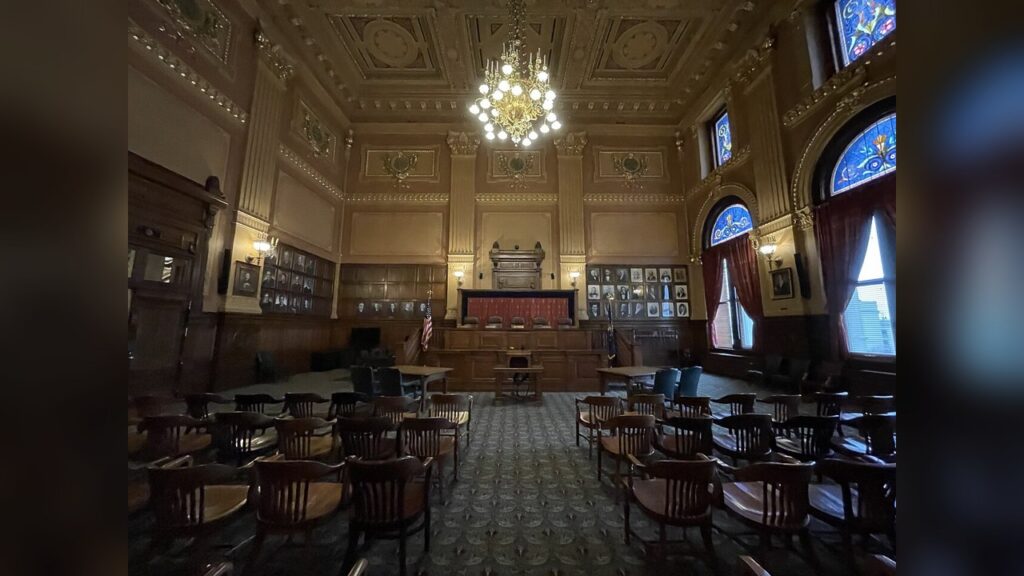
Three votes. That’s what this whole mess came down to. Three votes in a Republican primary for a state Senate seat in Indiana’s 23rd District, and somehow that turned into a months-long legal circus with bureaucrats trying to throw out legally cast ballots because a clerk forgot to sign their name on the envelope.
Let me walk you through what happened, because it’s a doozy. Incumbent Senator Spencer Deery beat Trump-backed challenger Paula Copenhaver by three votes. Three. Copenhaver immediately called for a recount, started challenging ballots, and demanded voters be subpoenaed because she claimed some of them were longtime Democrats who crossed over to vote for Deery. Never mind that crossover voting in an open primary is, you know, legal. That didn’t stop the challenge.
Then the Indiana Recount Commission got involved and decided to toss out a batch of ballots. Not because the voters did anything wrong. Not because the voters weren’t registered, or didn’t show ID, or didn’t check every box. Because a clerk didn’t sign the envelope. A clerk’s mistake, and the voter pays for it. That’s not common sense. That’s not even fairness. That’s bureaucrats punishing a citizen for someone else’s paperwork error.
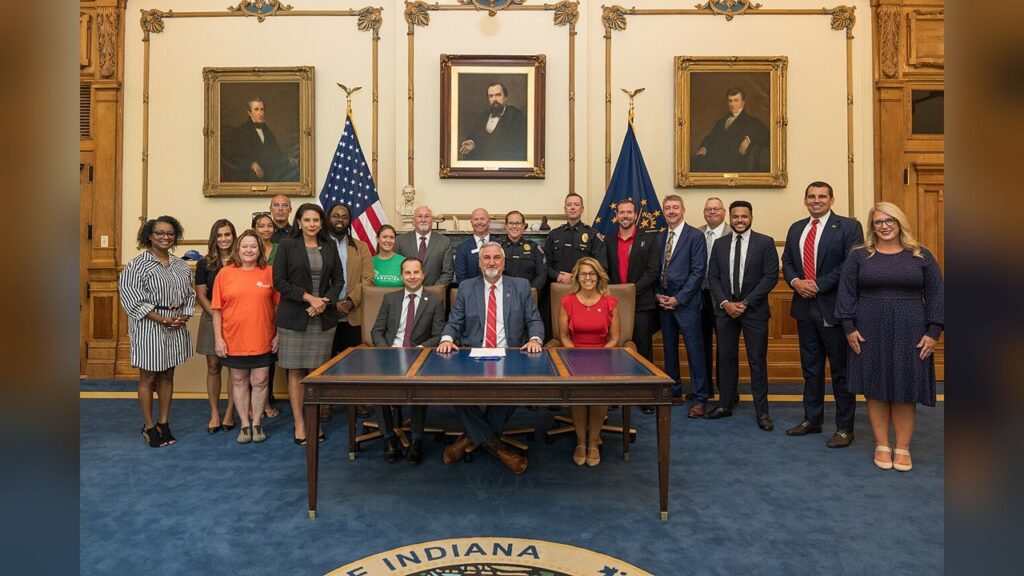 Governor Eric Holcomb (Public domain) via Wikimedia Commons
Here’s where it gets really rich. During the Supreme Court hearing, Justice Derek Molter pointed out something that should make every Hoosier’s blood boil. The Secretary of State’s office said before the election that if this exact scenario came up, they’d count the ballot. But after the election, once they knew who those ballots would help, suddenly the view flipped. Justice Molter called it “problematic.” I’d call it something stronger, but this is a family column.
Secretary of State Diego Morales weighed in on this recount in a way that made even an Independent candidate for his own seat, Greg Ballard, stand up and say the recount commission’s whole process needs to change. When an Independent is at your hearing saying you’ve got a problem, bless your heart, you’ve got a problem.
The Indiana Supreme Court saw through it. They declared Deery the winner and put him on the November ballot. And Deery, to his credit, said exactly what needed saying: “This was a lot bigger than me. It says that Indiana is a place where if you do everything right as a voter: you vote, you check all the boxes, you show your ID, you register, your vote should count.”
That’s the whole ballgame right there. You do everything right, your vote should count. That’s not a radical statement. That’s not some fringe position. That’s the bare minimum of what a functioning republic owes its citizens. And yet it took a Supreme Court ruling to get there.
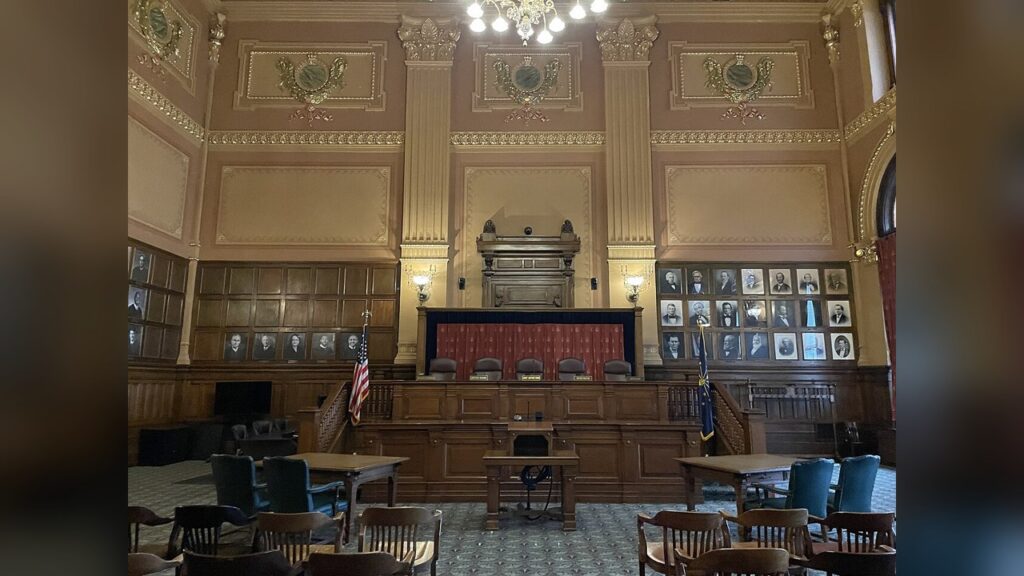 Dominic (CC0) via Wikimedia Commons
Now, Paula Copenhaver didn’t respond to WFYI’s request for comment after the ruling. Which tells you plenty. You can spend months demanding recounts, subpoenaing voters, challenging ballots, and then when the court says no, you just go quiet? At least look people in the eye and say you disagree. That’s just basic manners.
And here’s the bigger picture that nobody in the press wants to talk about. Deery is one of only two Indiana Republicans who survived a Trump-backed primary challenge after voting against the president’s call for mid-decade redistricting last December. Two out of how many? The rest got picked off. That tells you something about backbone in the Indiana legislature, and it’s not flattering.
But this story isn’t really about Trump or redistricting or even Spencer Deery. It’s about a voter who showed up, did everything right, and nearly had their ballot thrown in the trash because a clerk forgot to sign a piece of paper. The court fixed it this time. Next time, who knows. That’s the part that ought to keep you up at night.