



Judge Emmet Sullivan has had enough. Standing in a Washington courtroom where the public dialed in on a conference line to listen, the federal judge looked at the Justice Department’s lawyers and said the quiet part out loud: “It’s not a threat. It’s a promise.” Contempt proceedings are on the table. The people’s right to know what their government is hiding has run straight into an administration that treats transparency like a suggestion it can ignore.
Here is the structure of power we are looking at. Donald Trump signed the Epstein Files Transparency Act into law himself. His own Justice Department is now violating it. His own attorney general, Todd Blanche, is Trump’s former personal criminal defense lawyer, sworn into office after a confirmation fight that zeroed in on exactly this question: would he release the files or bury them? We now have the answer. Blanche buried them.
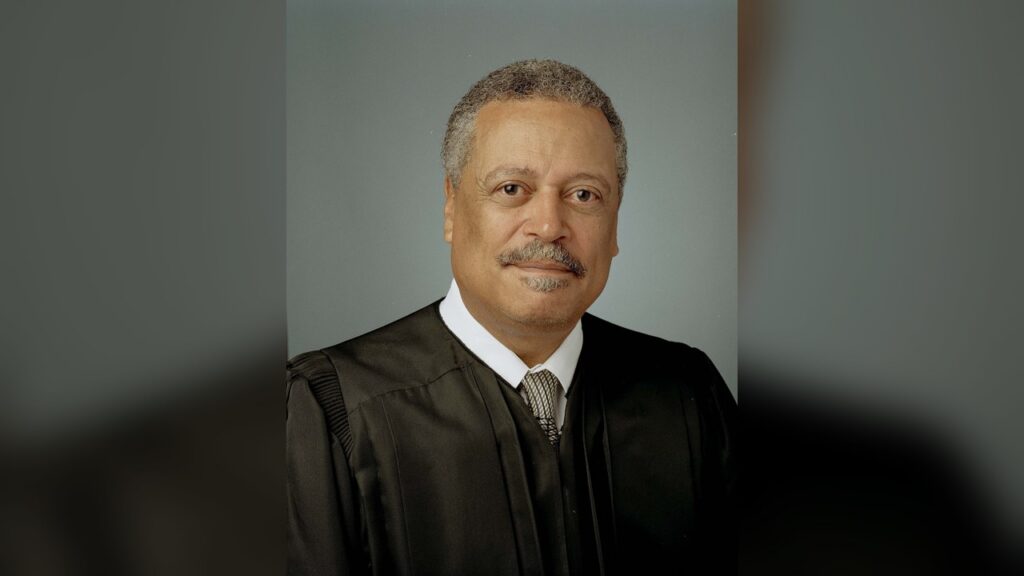 United States District Court for the District of Columbia (Public domain) via Wikimedia Commons
The DOJ missed its December 19 deadline. It released a fraction of what it holds. Names are blacked out. A photograph of Trump standing next to Ghislaine Maxwell is completely redacted. Under the law, redactions exist to protect minors and victims. The president of the United States is neither. Every American should be asking why his name and image qualify for an exemption that was never written for him.
Then the DOJ asked Sullivan to freeze all deadlines. Katie Phang, the journalist who sued to force compliance, called it what it is: a bad-faith stalling tactic with no legal basis and no basis in reality. The judge agreed. He held a public hearing because, as he put it, “The public has a right to know what the hell is going on in this case. The victims have a right to know. The public deserves to know.”
The DOJ sent a lawyer named Andrew Block to that hearing. He was added to the case less than 24 hours before it started. He could not answer basic questions about timelines or compliance. This is not incompetence. This is the strategy. Show up unprepared, ask for more time, stall, repeat. It is a playbook for running out the clock while the public forgets and the powerful stay protected.
 Kremlin.ru (BY) via wikimedia
Rep. Suhas Subramanyam said it plainly on Meet the Press: Bondi and Blanche should be held in contempt. Rep. Eric Swalwell has been fighting this fight for weeks, pointing out that every single member of the House Judiciary Committee, Democrat and Republican, voted for full release. Not one objection. And yet here we are, watching the DOJ shield names and images that the law says must be public.
This is not a glitch. This is how power protects itself. A president signs a transparency law to score political points, then his own Justice Department strangles that law in a back room while a judge begs them to comply. The Epstein files are not abstract documents. They are evidence in a criminal network that trafficked human beings. Survivors have been waiting years. The public has been lied to for longer. And the same government that promised accountability is now the government withholding it.
Judge Sullivan is doing his job. Congress has tools: inherent contempt, funding freezes, sworn testimony under oath. Swalwell has laid out the roadmap. The question is whether anyone in power besides one fed-up federal judge will actually pick up those tools and use them. Transparency is not a favor the government grants when it feels like it. It is the law. Hold them in contempt. Cut the funding. Put them in the witness chair. The public deserves every name, every photo, every file. Not when the DOJ gets around to it. Now.