


When a federal agent drives away from a raid in Los Angeles and, on his own body camera, calls a man “wet,” that is not a rogue officer having a bad day. When another agent radios “just plug us in wherever you see some tonks and we’ll jump out,” that is not a breakdown in training. That is the policy. We now have it on tape, in text messages, and in sworn depositions, and the picture is unmistakable: Immigration and Customs Enforcement is running a demographic dragnet in Los Angeles, and the people running it talk about their targets the way you talk about vermin.
The word “tonk,” for those fortunate enough not to know, is believed to come from the sound a flashlight makes when it strikes a migrant’s head. Agents typed it casually in group chats. “Tonks everywhere selling food,” one wrote about Long Beach. Another agent, captured on bodycam after an operation where at least two U.S. citizens were detained and released, said “one tonk got away.” These are the people the Supreme Court’s conservative majority decided in September could be trusted to use someone’s “apparent ethnicity” as a factor in deciding whom to stop on the street.
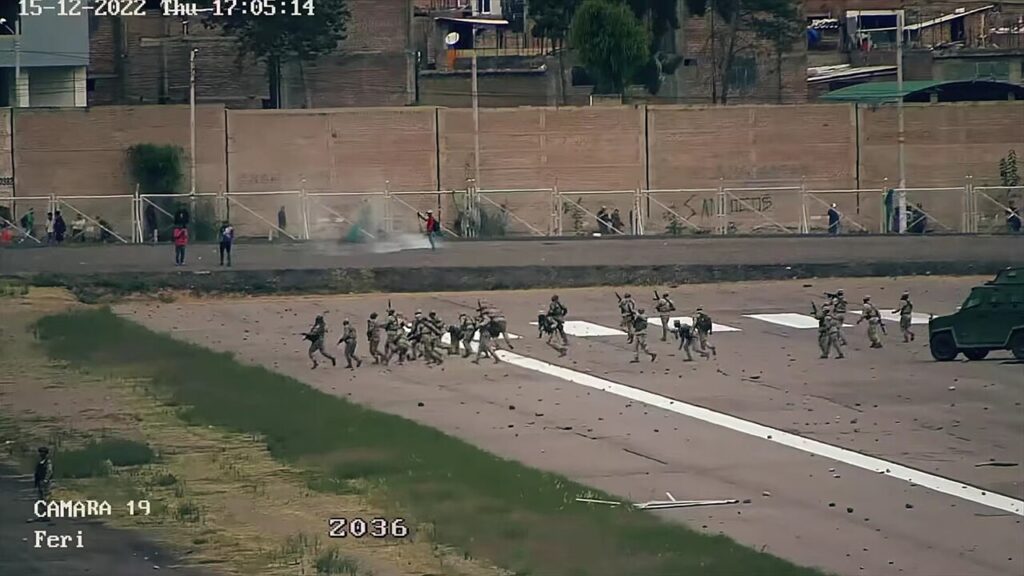 CCTV, no human author. Security cameras are operated by the Provincial Municipal (Public domain) via Wikimedia Commons
Justice Brett Kavanaugh wrote that concurrence. He listed “Spanish language use” and employment in certain industries as “salient factors” that could supplement race. He later clarified that officers “must not” make stops “based on race or ethnicity,” as though adding a footnote to a fire. The civil rights attorneys did not have this bodycam evidence when the Supreme Court granted the government’s emergency stay. Now they do. The motion filed this week by the ACLU, Public Counsel, and partner organizations lays it out in devastating detail: race is not a factor in these stops. It is the factor.
The government told Judge Maame Ewusi-Mensah Frimpong and the Supreme Court that these operations were “intelligence-driven.” Discovery revealed what that intelligence actually looked like. Agents were sent to Home Depots and car washes to run checks until they found an arbitrary number of possibly undocumented people, then returned on a different day to raid the location regardless of whether those individuals were present. A veteran ICE agent testified under oath that the operations were not “designed in good faith” to arrest the identified targets. The lead officer at a Pasadena bus stop, where three men were detained, texted a colleague to “bring extra cuffs.” When asked in a deposition what he looks for, he answered “older Hispanic male.” Not a name. Not a record. A phenotype.
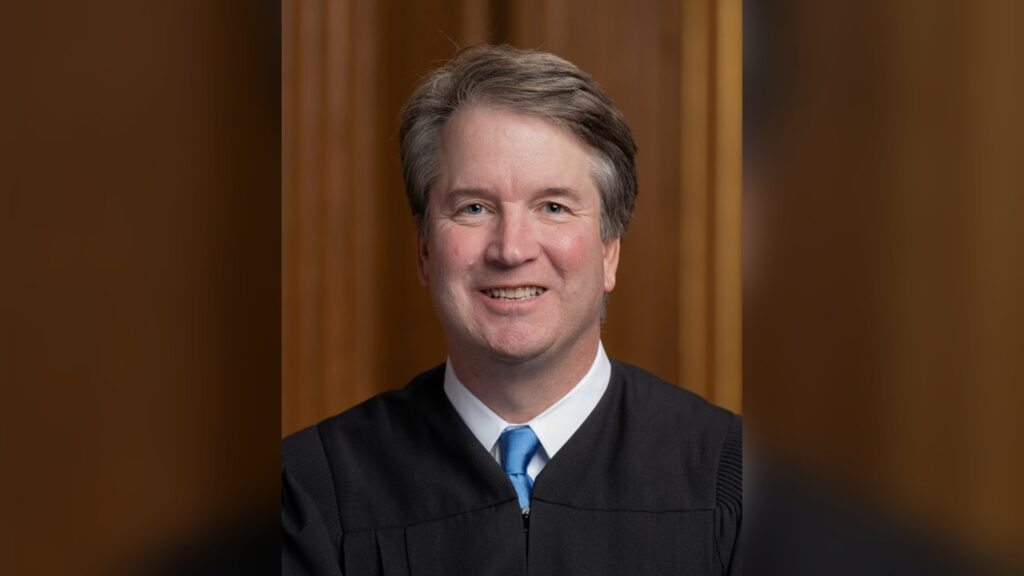 The Collection of the Supreme Court of the United States (Public domain) via Wikimedia Commons
This is what changed in late May 2025, when ICE headquarters emailed field offices to begin arresting “collaterals,” meaning people who were not targets of any investigation, en masse. Before that, even during Trump’s first term, ICE compiled target lists and conducted individualized investigations. The agency has replaced investigation with geography. Drive around. Spot brown people. Stop them. The ACLU’s Mayra Joachín named it correctly: “It’s rather racism that’s really pervasive and underlying the way that the agency is operating.”
The Department of Homeland Security responded to the footage with a statement calling concerns “performative outrage” and asking where the media’s outrage is for “Angel families.” A spokesperson did not deny the videos exist. A spokesperson did not deny the texts. A spokesperson changed the subject.
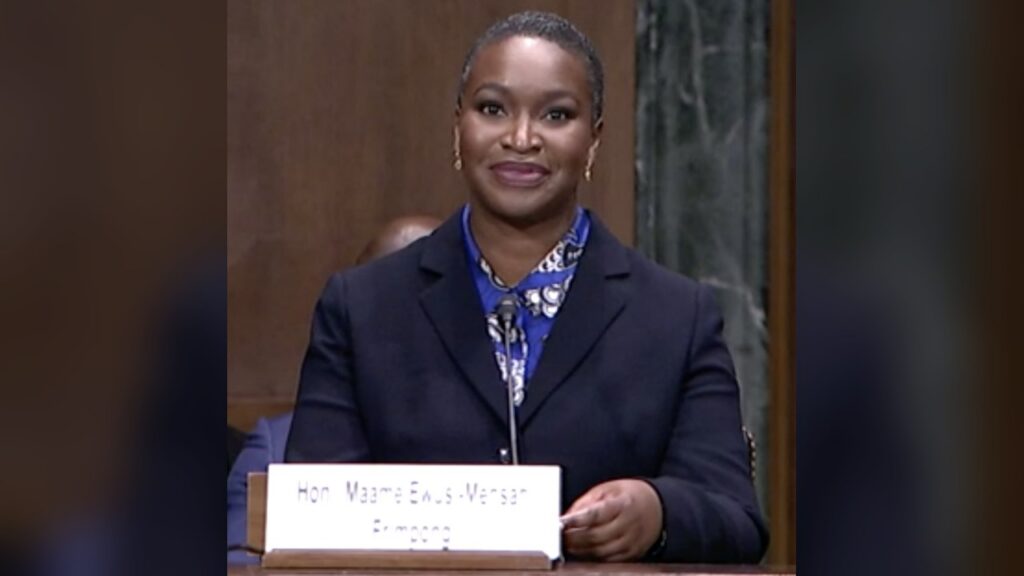 United States Judiciary Committee (Public domain) via Wikimedia Commons
Judge Frimpong ordered this evidence turned over. She issued a temporary restraining order last year that the Supreme Court swept aside. In September, the attorneys return to her courtroom asking for a preliminary injunction that would bar agents from relying on perceived Latino ethnicity to conduct stops and require them to document the specific facts that led to each detention. That is the floor. Documentation, transparency, and a judicial order with teeth. Anything less is complicity with a system whose own agents cannot be bothered to hide their contempt.
The bodycams were supposed to create accountability. They did. The question is whether anyone with the power to act on it will.