


It is always tempting, when a single super PAC drops $2.5 million into a House special election and the targeted candidate wins anyway, to treat the outcome as a clean repudiation. The narrative writes itself: David meets Goliath, Goliath writes a check, David wins. I would gently encourage us to resist that satisfaction, and then, having complicated it, to complicate the complication.
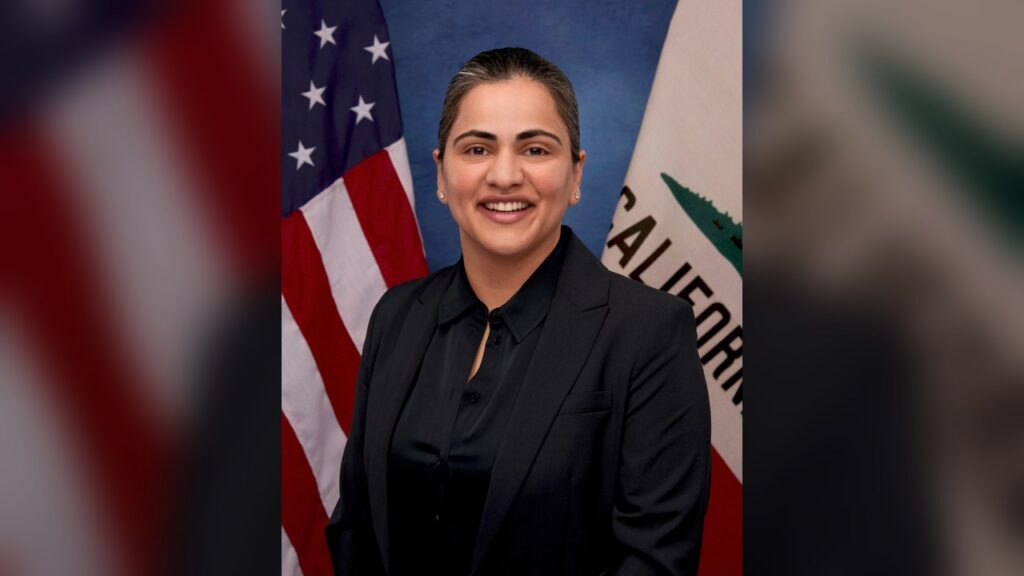
What happened in California’s 14th District on Tuesday is not a story about money failing. It is a story about money doing precisely what it was designed to do, just not quite enough of it. Aisha Wahab, the first Muslim elected to the California state Senate, entered the runoff with a 26-point lead from the June primary. She exited it with a 53-to-47 victory, 95% of expected vote counted, according to projections from both CNN and NBC News. That is a six-point win. The $2.5 million that AIPAC-aligned super PACs spent attacking her in the final weeks did not flip the race, but it compressed a blowout into a contest. The mechanism worked. The margin simply ran out of room.
This is the structural point that tends to get lost in the celebratory framing. Campaign finance, as the political science literature has documented for decades, does not need to change outcomes to shape them. It narrows the field of viable candidates, it forces incumbents and challengers alike to court donor networks, and it shifts the discursive terrain even when the preferred candidate loses. Wahab’s opponent, Melissa Hernandez, is a perfectly credible Democrat by any conventional measure, president of the Bay Area Rapid Transit Board. She did not need AIPAC to be competitive on paper. But the influx of outside cash transformed a race that should have been a formality into something that required real organizing, real counter-spending, and real voter mobilization in August, when turnout is an act of civic heroism.
The counter-mobilization is worth noting. A super PAC called American Priorities, formed earlier this year specifically to counter AIPAC’s intervention in Democratic primaries, spent over $200,000 on Wahab’s behalf. That is a ratio of roughly twelve-to-one against her. She won anyway. But the fact that a counter-infrastructure had to be built at all, that a California state senator running to finish the remaining months of a vacant term in a safely Democratic district required a defensive super PAC, tells you something about the current architecture of Democratic primaries that the margin alone does not.
Wahab herself framed the result in moral rather than structural terms. “I’m very proud of this district for not listening to the hate-mongering and really knowing and believing the work that I’ve done,” she told KQED on Tuesday night. That is a politician’s instinct, and a fair one. Voters in the 14th District did, in fact, decline to be moved by the ads. But the broader pattern this cycle is less reassuring than a single victory might suggest. Two weeks earlier, Abdul El-Sayed won his Michigan Senate primary despite more than $30 million in AIPAC spending against him. The same night, AIPAC-backed Rep. Wesley Bell won his race comfortably. The group’s record is mixed, which is exactly what you would expect from a sophisticated lobbying operation that does not need to win every race to discipline the broader field.
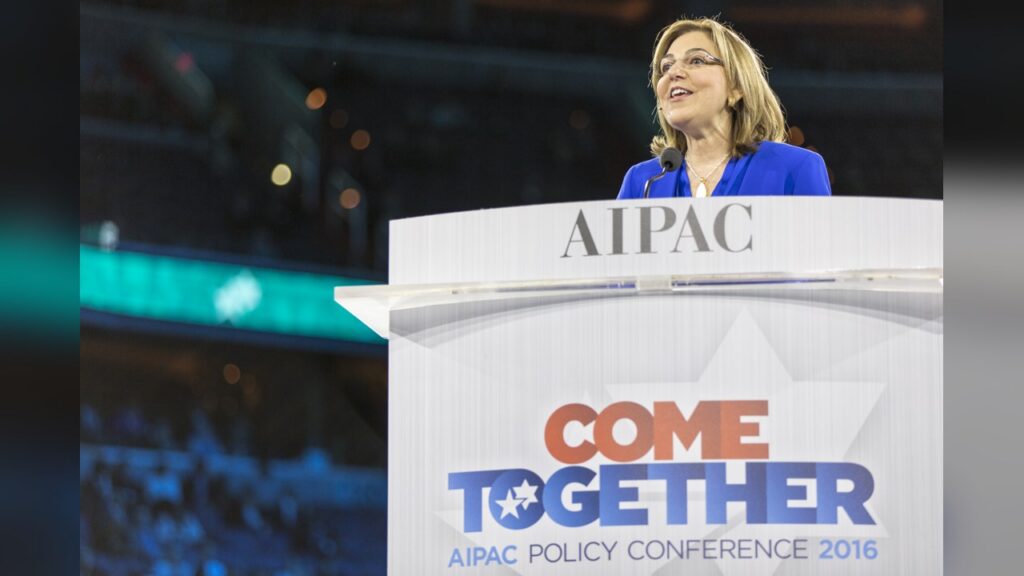 Lorie Shaull (BY-SA) via wikimedia
Eric Swalwell resigned from this seat in April amid sexual assault allegations he has denied. That fact, too, belongs in the structural analysis. The district was not contested because of a policy disagreement or a retirement. It was contested because a congressman left under a cloud, and the resulting vacancy became, like so many vacancies before it, a proxy battlefield for a factional war that has very little to do with the constituents of the 14th District.
Wahab and Hernandez will rematch in November for the full two-year term. The structural conditions will be identical. The money will return. The question is not whether voters can resist it again, but whether they should have to.