

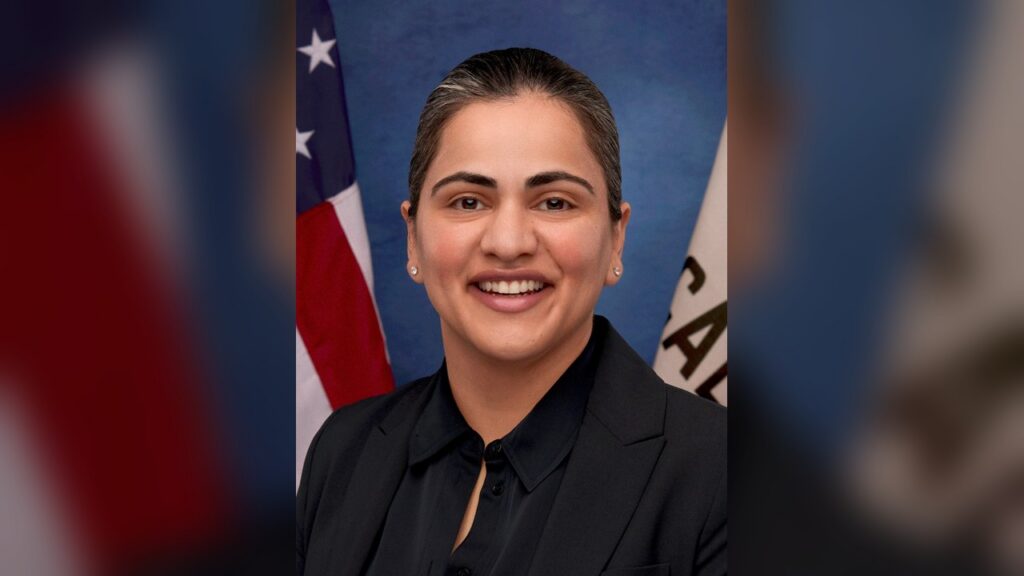
Nearly $6.4 million. That is what a constellation of Super PACs linked to AIPAC poured into a single congressional special election in California’s East Bay, flooding the airwaves with attack ads against Aisha Wahab and propping up her opponent, Melissa Hernandez. For context, Hernandez’s own campaign raised about $1.5 million. The outside money dwarfed both candidates combined. AIPAC didn’t just want a voice in this race. It wanted to own the outcome.
It didn’t work. Wahab won.
Let that sink in for a moment, because the people who wrote those checks are certainly thinking about it. AIPAC and its allied spending vehicles have made a habit of targeting progressive candidates, particularly candidates of color who dare to question U.S. policy toward Israel, dumping staggering sums into races that should be decided by constituents, not by a lobbying apparatus with a nine-figure war chest. Wahab, a state senator and the first Muslim woman and Afghan American elected to the California legislature, called it what it is: election interference. She said they were trying to buy the seat. She was right, and the voters of the 14th District refused to let them.
The final margin, 53.1% to 46.9%, was closer than it should have been. Wahab dominated the first round in June, finishing 26 points ahead of Hernandez. Then the AIPAC money arrived. Track AIPAC, the watchdog group monitoring the lobby’s political spending, tallied nearly $6.4 million in independent expenditures for Hernandez. Ads misrepresented Wahab’s record. The race tightened. A 20-point lead became a six-point lead with 92% of votes counted. That compression was not organic. It was manufactured, purchased at a rate of roughly $140 per vote Hernandez received.
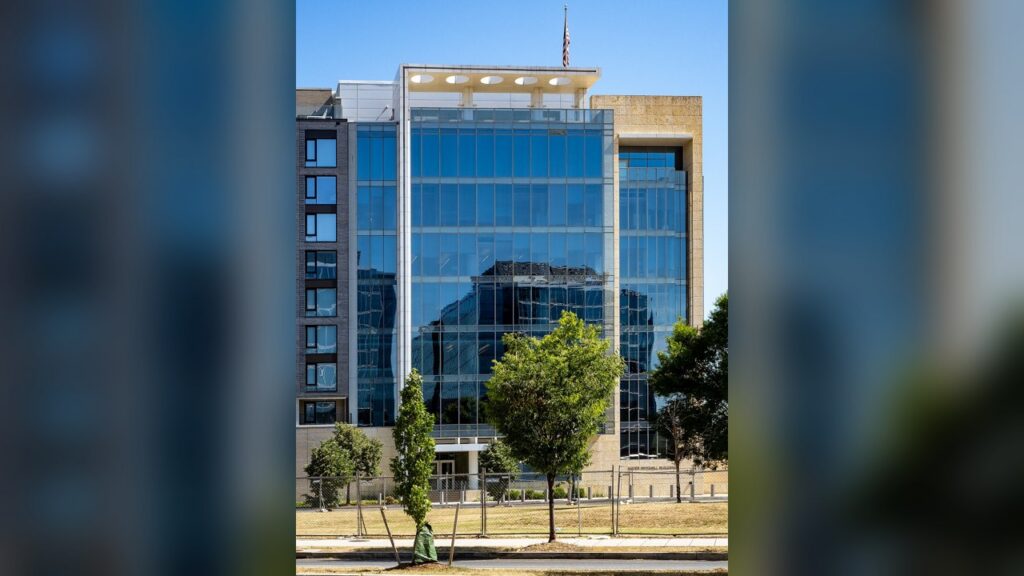 ajay_suresh (CC BY 2.0) via Wikimedia Commons
And the establishment? It folded right on cue. Representative Zoe Lofgren, who chairs California’s Democratic delegation, endorsed Hernandez in the race’s final stretch. Her stated rationale was that Wahab had declined to back a “caretaker” arrangement to fill the seat faster, a process-argument that conveniently papered over the fact that Wahab was the candidate with the state party’s endorsement, the attorney general’s backing, labor’s support, and the clear will of the primary electorate. Amar Shergill, former chair of the California Democratic Party’s progressive caucus, called Lofgren’s move “astounding.” It was. But it was also familiar, the same instinct that always surfaces when the party’s progressive wing is on the verge of winning: suddenly the process matters more than the people.
The seat itself was vacant because Eric Swalwell resigned in April after multiple women accused him of sexual misconduct, allegations he has denied. He had also been running for governor. That campaign is over too. So the district lost a congressman under a cloud, and the Democratic infrastructure’s first instinct was not to rally behind the progressive woman of color with the broadest coalition. It was to broker a backroom deal for a placeholder, and when that failed, to side with the candidate AIPAC was bankrolling.
Wahab won anyway. She out-organized the money. She had Our Revolution, the Teamsters, the state Democratic Party, Attorney General Rob Bonta, and a grassroots base that could not be outspent into confusion. That is the lesson, and it should be plastered on every campaign office wall in the country: when a lobby tries to purchase a seat in Congress, the answer is not to retreat. It is to organize harder, name the interference loudly, and make the spender own every dollar.
Now the real work begins. Wahab heads to a House with razor-thin margins where every vote on ceasefire legislation, on conditioning military aid, on oversight of foreign lobbying, will be scrutinized and pressured. The same forces that spent $6.4 million to stop her will spend more to contain her. Solidarity means staying engaged past Election Day, holding the caucus accountable, and ensuring that the people who tried to buy this seat never stop paying a political price for it.