


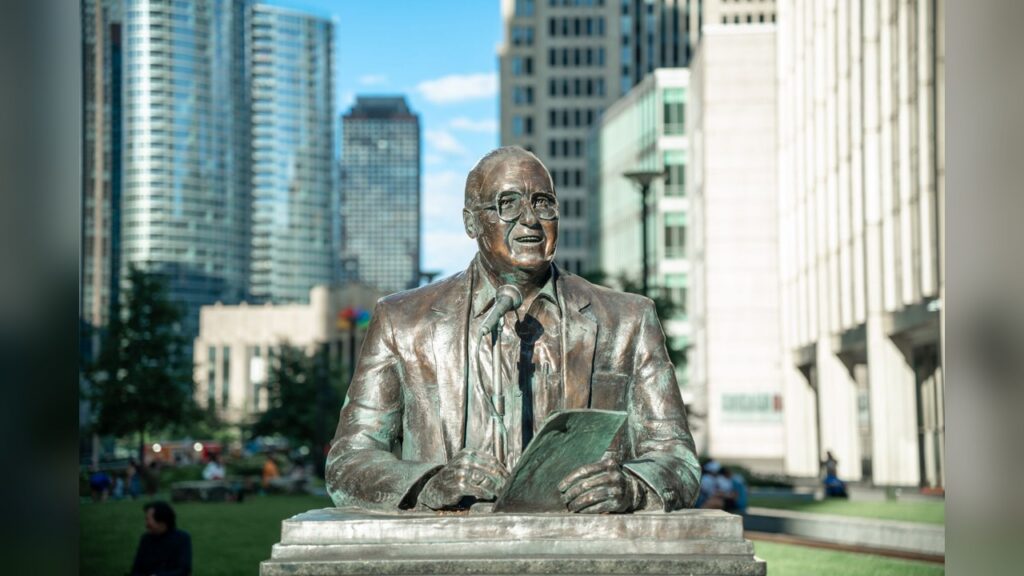
Warren Buffett is stepping down as chairman of Berkshire Hathaway, and the announcement Friday carried all the solemnity of a royal transition. The 96-year-old “Oracle of Omaha” will become chairman emeritus. His son Howard G. Buffett, a board member since 1993, will take the chair. Greg Abel, who replaced Buffett as CEO earlier this year, will keep running the company day to day.
“Father Time always wins,” Buffett wrote to shareholders. “He has, however, been generous with me.”
Generous indeed. Buffett has served Berkshire since 1965 and held the chairman’s seat since 1970. Under his watch, the company’s share price rose more than 5,500,000%. The S&P 500 managed 39,000% over the same span. Berkshire is now a $1 trillion conglomerate headquartered in Nebraska, with holdings that touch nearly every corner of American life, from BNSF Railway to Geico to Dairy Queen.
That is not a typo. Five and a half million percent.
The numbers are staggering, and they tell a story the press will frame as one of singular genius. But the succession announcement tells a different story, one the financial press will work hard not to name: this is a dynasty. Howard Buffett did not earn the chairmanship through a competitive process. He was placed on the board by his father in 1993 and has waited three decades for this moment. Abel’s statement called Howard “the guardian” of Warren’s “culture and values,” which is a beautiful way of saying the family retains institutional control of a trillion-dollar enterprise while a professional manager does the work.
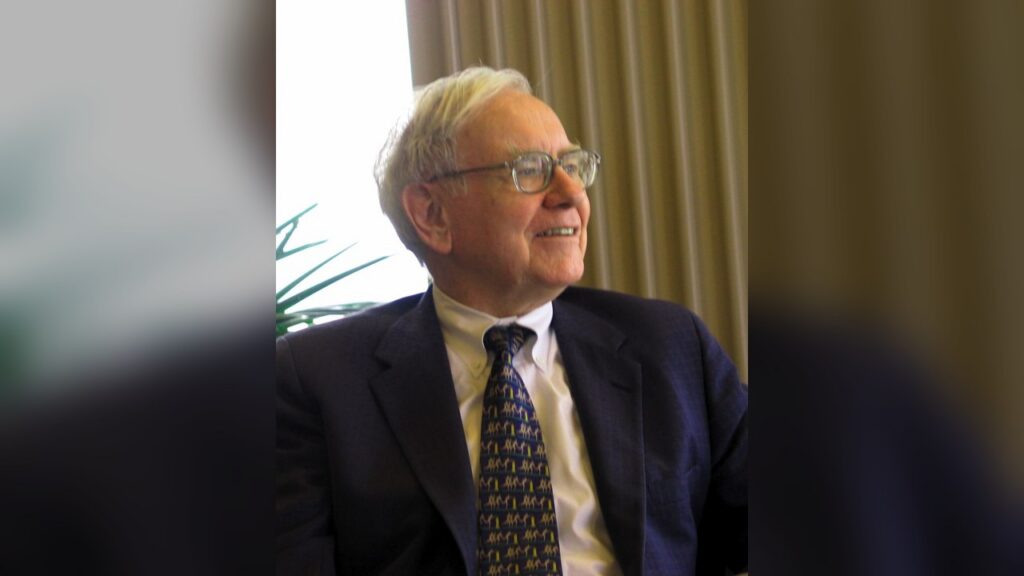 Mark Hirschey (CC BY-SA 2.0) via Wikimedia Commons
There is nothing illegal about any of this. That is precisely the problem.
Berkshire Hathaway is not a family bakery. It is a $1 trillion force in the American economy, and its governance structure just confirmed that concentrated capital moves through bloodlines the same way it always has. Shareholders vote, yes, but the question was never whether Howard Buffett would take over. It was only when.
Buffett’s own letter is telling. He wrote that he is “more confident than ever about what lies ahead.” He should be. His son is chairman. His chosen CEO is in place. His legacy is locked down. The machine he built will keep running, and the family will keep its hands on the levers.
What gets lost in the hagiography is this: the 5,500,000% return enriched shareholders spectacularly, but the workers at Berkshire’s subsidiaries, the rail employees at BNSF, the customer service reps at Geico, the hourly staff at Dairy Queen, did not see five-million-percent wage growth. They saw what every American worker sees. Wages that trail productivity, benefits that get trimmed, and a retirement system that depends on whether they picked the right stocks. The Oracle of Omaha built extraordinary wealth for people who already had capital. The people who generated that wealth through their labor got the same deal as everyone else under this system.
Buffett has been candid over the years about the unfairness of a tax code that taxes his income at a lower rate than his secretary’s. That candor has never translated into structural change. The system that made him a billionaire is the system that keeps his employees one medical emergency away from ruin.
A $1 trillion company governed by family succession demands democratic accountability. Workers at Berkshire subsidiaries deserve representation on the board. The public deserves transparency about how a single family maintains control over a trillion dollars in productive assets. And the conversation about wealth concentration in this country needs to stop treating dynastic succession as a heartwarming story about a father and a