


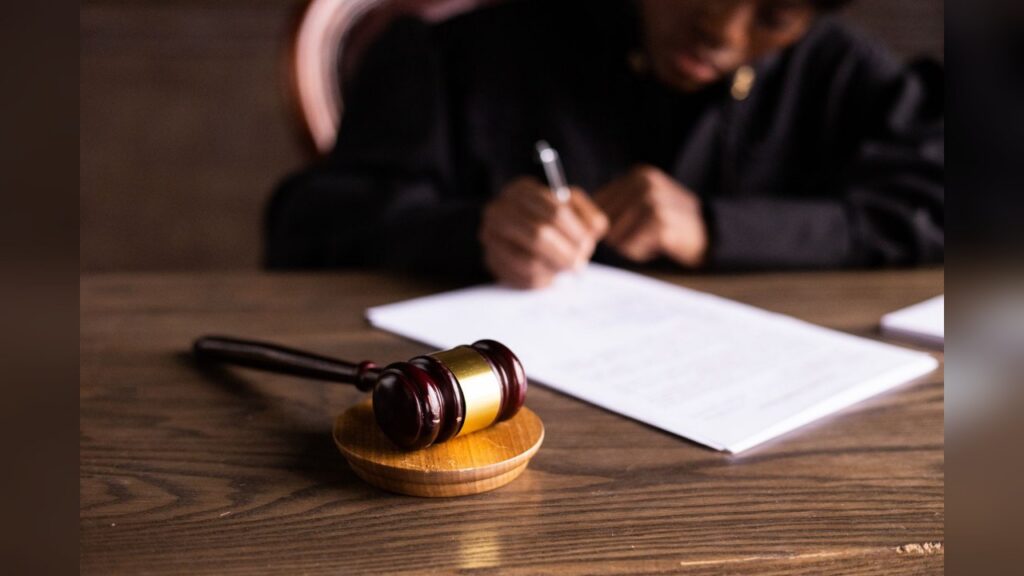
Nearly 1,100 Somalis who built lives, raised families, and worked legally in the United States just had the floor pulled out from under them. U.S. District Judge Allison Burroughs, an Obama appointee who had previously blocked the termination, lifted her stay on Friday and cleared the Trump administration to strip Temporary Protected Status from Somalia. Her hands were tied, or so the reasoning goes. The Supreme Court’s June ruling in Mullin v. Doe held that the TPS statute bars judges from reviewing most DHS decisions to end protections. The 6-3 conservative majority didn’t just rule against immigrants. It ruled against the courts’ own power to check the executive when the executive comes for immigrants.
That is the structure. That is the design.
Kristi Noem, then serving as Homeland Security Secretary, announced in January that Somalia’s conditions had “improved” enough to end TPS. This while Somali forces remain locked in active combat with al-Shabaab militants. Improved, in the language of this administration, means the people there are sufficiently non-white and sufficiently disposable that the paperwork can proceed. The plaintiffs in the lawsuit, four Somali nationals and two advocacy groups including African Communities Together, made the obvious argument: this was never about conditions on the ground. They pointed to Trump’s own words, his descriptions of Somalis as “garbage” and “low IQ people.” The Supreme Court found the equal protection challenge unlikely to succeed. When the president says it out loud, repeatedly, in public, and the highest court in the land says that is not enough to prove discriminatory intent, the bar for accountability isn’t high. It is buried.
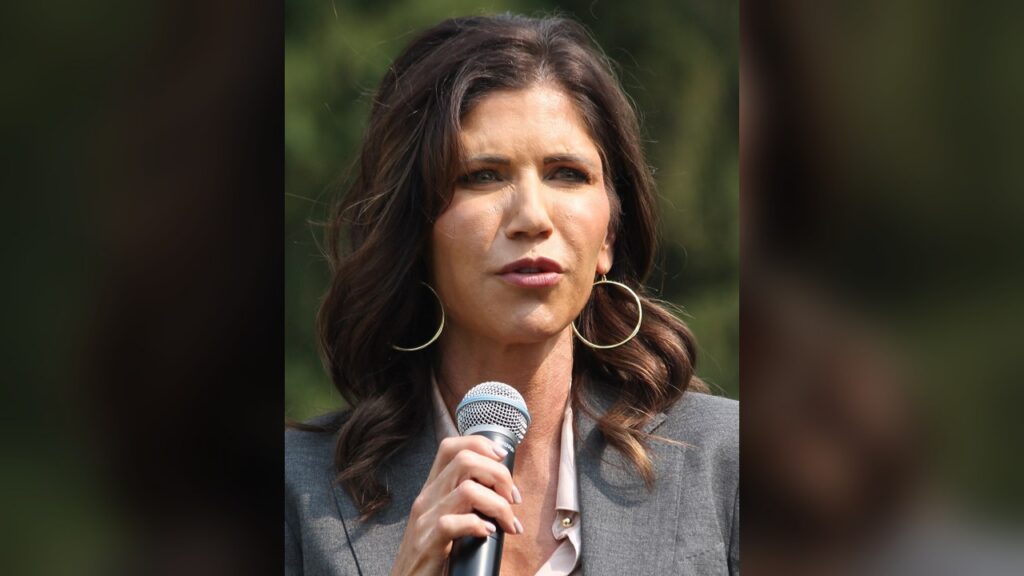 Matt Johnson from Omaha, Nebraska, United States (CC BY 2.0) via Wikimedia Commons
Burroughs fought as far as the law allowed. She blocked Noem’s decision in March. She kept a temporary stay in place even after Mullin v. Doe while she explored whether claims the Supreme Court didn’t address could survive. On Friday, she ran out of room. Two other federal judges have already allowed the administration to end TPS for South Sudan and Myanmar. Only Ethiopia’s termination remains blocked, and that hold is a thread.
What is happening here is not a glitch. The TPS program was created to shield people from countries devastated by war, natural disaster, or conditions that make return impossible. It was always discretionary, always contingent, always a permission slip that could be revoked by the next administration with a different agenda. That structural fragility is the point. Humanitarian protection that rests on the goodwill of whoever holds the DHS secretary’s chair is not protection. It is a stay of execution with a bureaucratic expiration date.
The Supreme Court’s conservative majority understood this perfectly when it ruled in Mullin v. Doe. By stripping courts of the ability to review TPS terminations, it handed any future administration a blank check to remove protections for any group, from any country, for any reason, including naked racial animus, so long as the paperwork says “conditions improved.” The ruling doesn’t just affect Somalis. It affects the 13 countries whose TPS designations the Trump administration has moved to terminate. Thousands of people from Haiti, Syria, and beyond are in the same pipeline.
 Marco Gualazzini (CC BY-SA 4.0) via Wikimedia Commons
The 1,100 Somalis now facing deportation include people who have lived here for years under a legal status the U.S. government granted them. They have employers, leases, children in school, communities that depend on them. DHS can now move to deport them to a country where armed conflict is ongoing. The legal infrastructure that was supposed to prevent exactly this outcome was dismantled by the Supreme Court and finalized by a lower court that had no remaining tool to stop it.
This is not a moment for measured takes about judicial restraint. A court system that cannot review a decision to deport 1,100 people to a war zone because a statute says the executive gets to decide unilaterally is a court system that has abandoned its role. Congress wrote the TPS statute. Congress can amend it to restore judicial review and make protections durable rather than revocable at the whim of any secretary who wants to score points with a president who called these same people garbage. The House and Senate have that power today. Every member who calls themselves an ally of immigrant communities should be forced to say whether they will use it.
Solidarity is not a sentiment. It is a demand for structural change before the next group gets processed.