


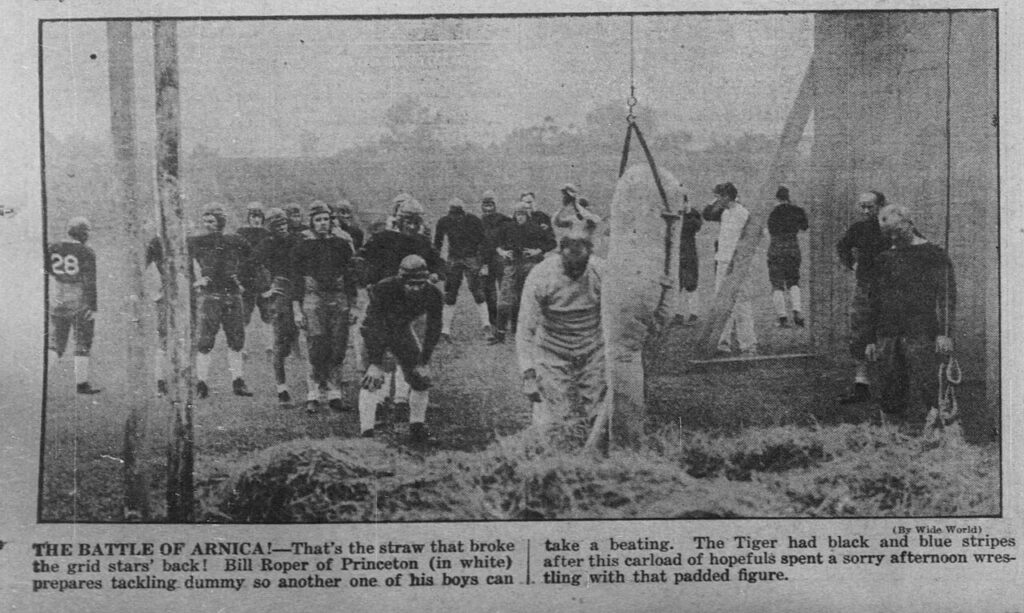
There is a body of political science literature, stretching from Walter Lippmann through the present, that tracks the steady migration of American electoral politics from deliberative forum to therapeutic theater. We are, I regret to inform you, living through another data point. Michigan’s Democratic Senate nominee Abdul El-Sayed, a physician and public health scholar who once ran Detroit’s health department, has challenged his Republican opponent, former Rep. Mike Rogers, to a game of tackle football. No pads. This, because Rogers will not agree to five debates.
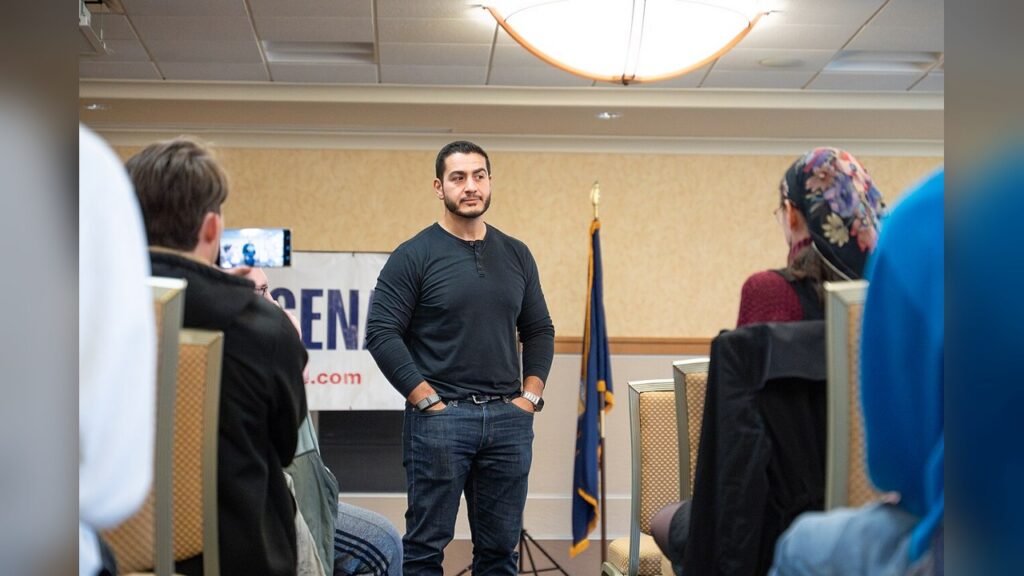 Conlan Houston (CC BY-SA 4.0) via Wikimedia Commons
The proximate cause is a CNN KFile report that surfaced old YouTube videos in which El-Sayed questioned whether football is “safe” and “ethical,” declared that “fireworks suck,” and suggested replacing the Second Amendment with a right to health care. Rogers, appearing on Hannity Tuesday night, treated this like a prosecutor entering a murder weapon into evidence. “This guy spent hours hating on what most Michiganders would enjoy in their pastimes,” he said. “He should be held to account for that.”
Held to account. For questioning the safety of a sport whose professional participants develop chronic traumatic encephalopathy at rates that peer-reviewed neuropathology has documented for the better part of two decades. For noting that fireworks produce measurable particulate pollution, distress companion animals, and trigger veterans experiencing PTSD. These are not fringe observations. They are, respectively, the consensus of the Boston University CTE Center and the findings of the Environmental Protection Agency. But in the current epistemic arrangement, acknowledging established science on a popular recreational activity constitutes a kind of heresy, and the appropriate institutional response is a segment on cable news.
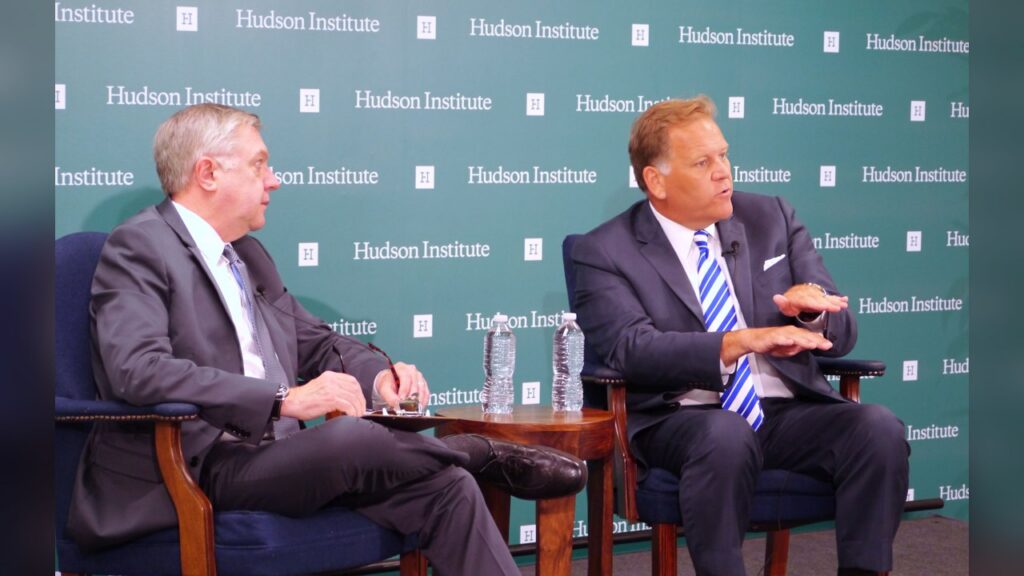 Hudson Institute (BY) via wikimedia
El-Sayed’s response, posted to X, was to accuse Rogers of being “too afraid to debate” and to offer the football field as an alternative venue for accountability. “I’d be happy to show you how much I love football,” he wrote. His spokeswoman, speaking to The New York Times, confirmed that El-Sayed was captain of his high school football team and celebrates the Fourth of July with fireworks “like the next Michigander,” dismissing the KFile report as “cherry-picked.”
One understands the tactical logic. When your opponent’s entire argument is that you are insufficiently enthusiastic about a sport, demonstrating enthusiasm for that sport by offering to play it without protective equipment is a species of rhetorical jujitsu. It is also, and I say this with the weariness of someone who has watched this pattern repeat across election cycles, a capitulation to the terms of a debate that should not exist. El-Sayed is a Rhodes Scholar with a doctorate in public health. Rogers is a former FBI agent and seven-term congressman. The fact that their contest has been reduced to a dispute over whether one of them sufficiently enjoys recreational explosives and a game that causes irreversible brain damage is not a failure of either man. It is a structural feature of a media ecosystem that rewards affective polarization over policy substance, and a political culture that treats expertise as suspect and fandom as virtuous.
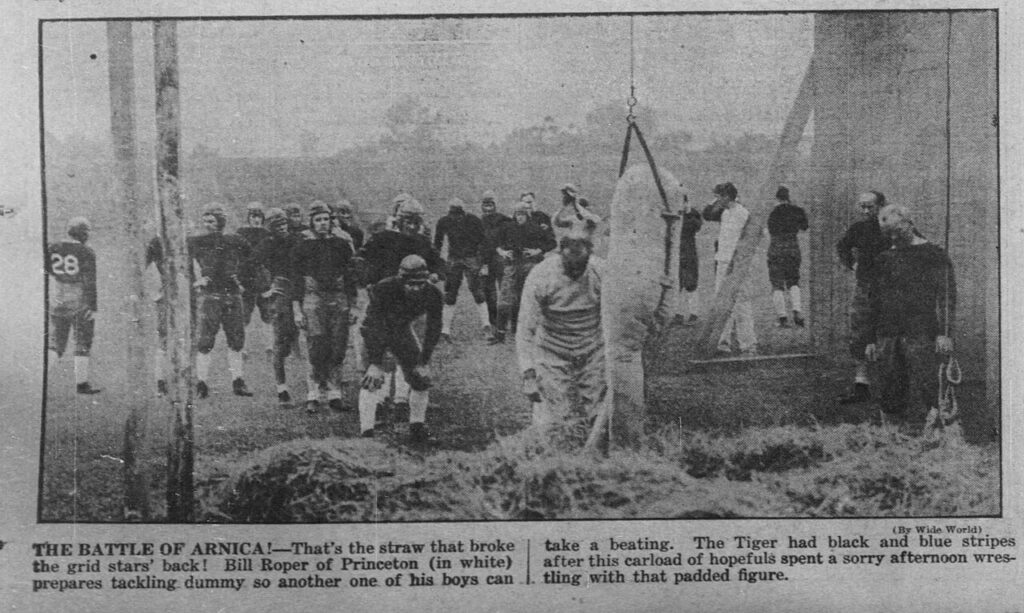 Wide World Photos (Public domain) via Wikimedia Commons
Rogers, for his part, has not agreed to any debates. He has not agreed to the football game. He has, instead, gone on Hannity to argue that a public health professional who once raised questions about a dangerous sport is unfit for office because he raised those questions. This is the politics of the gym class referendum, and it is working exactly as one would predict from the literature on affective polarization and identity-protective cognition. The question is not whether El-Sayed can throw a spiral. The question is whether a polity of 10 million people can sustain a Senate race about anything more consequential than tailgate preferences. The early evidence is not encouraging.