



When a woman on a tele-townhall asked Ken Paxton why he cheated on his wife, the Texas attorney general did what any well-conditioned political organism does when confronted with an inconvenient fact: he invoked his children. Four wonderful kids. Six grandchildren, one on the way. A lot at stake. Thank you very much for your question.
The performance was, in the clinical sense, textbook. The invocation of family as a shield against accountability for one’s treatment of family is a rhetorical maneuver so well-documented in the political communications literature that it barely warrants annotation. What is worth annotating is the institutional architecture that makes such a maneuver available to a man in Paxton’s position.
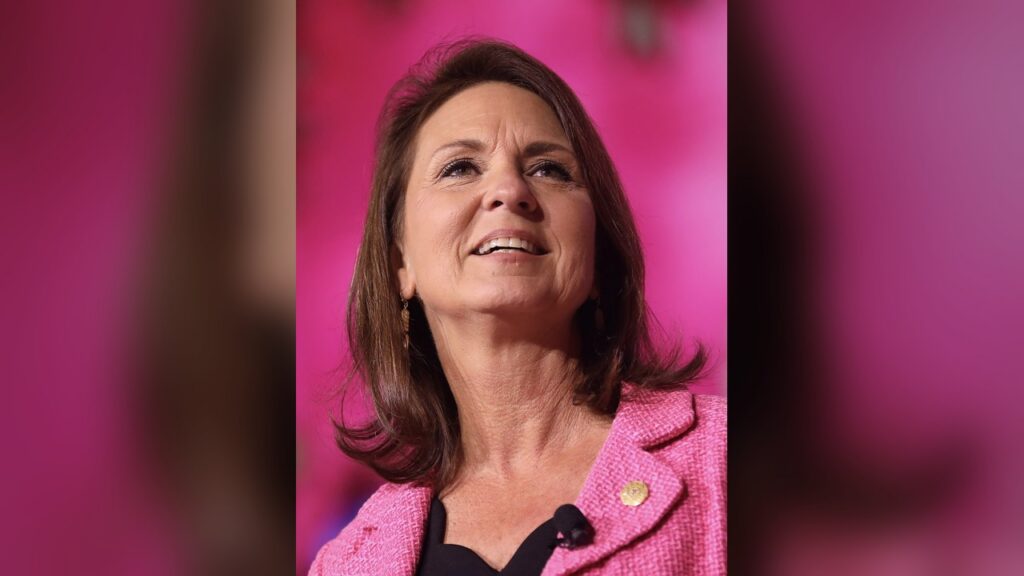
 Gage Skidmore (CC BY-SA 4.0) via Wikimedia Commons
Consider the record. Paxton was impeached by the Texas House in 2023 on allegations of bribery and abuse of public trust, after his own former aides reported that he had leveraged his office to enrich himself and a prominent real estate developer. The Texas Senate acquitted him. His wife, state Sen. Angela Paxton, was present for that trial, during which the extramarital affair became a matter of public record. She has now filed for divorce on “biblical grounds,” and the proceedings have surfaced a $9 million property portfolio that somehow accrued to a public servant on a state salary.
One might expect a political culture that has spent decades organizing itself around “family values” to treat this as disqualifying. Instead, Donald Trump endorsed Paxton as someone “extremely loyal to me and our AMAZING MAGA MOVEMENT,” and Republican primary voters rewarded that loyalty by retiring Sen. John Cornyn in a landslide. The system, as the political scientists say, is working as designed. It is simply not designed to produce the outcomes that its stated values would suggest.
The adultery itself is banal. What is structurally interesting is the way Paxton’s personal conduct and his public conduct form a single continuous pattern. A man who allegedly leverages his office to enrich a donor is also a man who spends the Fourth of July weekend sightseeing near the London Eye with a Christian influencer while his estranged wife remains in Texas. A man whose office negotiated a plea deal allowing someone charged with repeatedly sexually abusing a young boy to serve one day in jail is also a man who stands on a stage in Houston questioning his opponent’s Christian faith while hecklers shout about his infidelity. The personal is not merely political here. It is the same pathology, expressed across different domains.
 Gage Skidmore from Surprise, AZ, United States of America (CC BY-SA 4.0) via Wikimedia Commons
There is a historical parallel worth noting, though the comparison is imperfect. In 2008, John Edwards admitted to an extramarital affair during a presidential campaign and was, within days, politically finished. The Democratic infrastructure collapsed its support. The party treated the revelation as a liability it could not absorb. The Republican Party, in 2025, faces a comparable revelation about a Senate candidate and responds with endorsement and primary victory. The difference is not moral. It is structural. One party’s institutional incentives still penalize certain forms of personal corruption. The other’s have been reorganized around loyalty as the sole qualifying credential.
Paxton’s spokesperson called the reporting a “baseless, lie-filled tabloid story” and pointed to the attorney general’s record of “defending Texas elections.” This is the final move in the sequence: when the facts become inconvenient, reframe the inquiry itself as illegitimate. It is not an argument. It is a procedural objection designed to end the conversation.
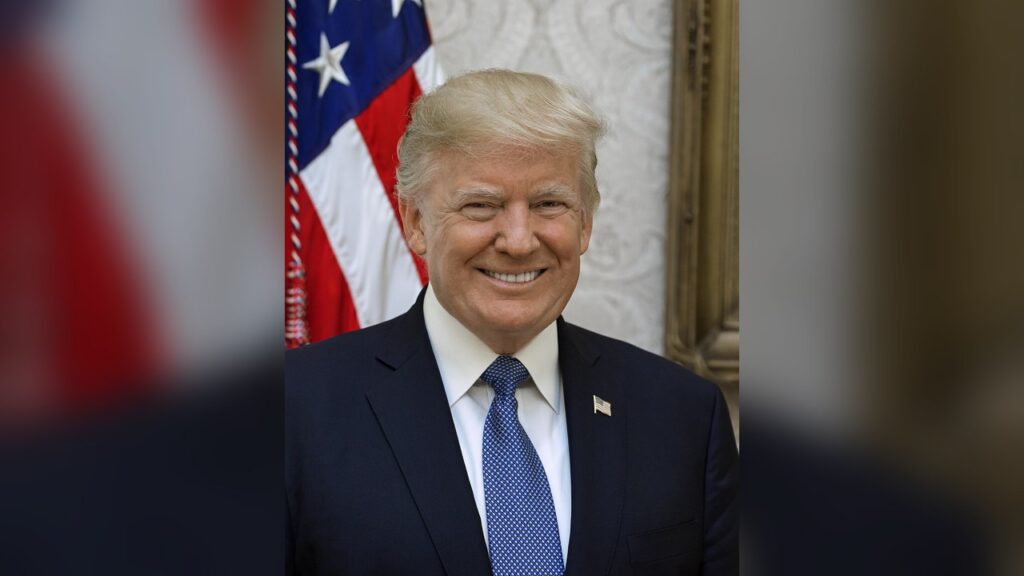 Shealeah Craighead (Public domain) via Wikimedia Commons
The polling, incidentally, shows James Talarico slightly ahead or deadlocked. The electorate may yet render a verdict that the Texas Senate would not.