


Trump’s $200 Spy Rule Crushed Border Communities to Catch Ghosts
When the Trump administration wanted to look tough on cartels, it didn’t go after the Sinaloa cartel’s bank accounts in the Caymans. It went after Evangelina Ornelas’s grocery store in El Paso.
That’s who this government targets when it talks about “following the money.” Not the drug lords. Not the corrupt politicians the Treasury Department now admits cartels are funding. A woman selling burritos and money orders in a working-class neighborhood where people don’t have bank accounts.
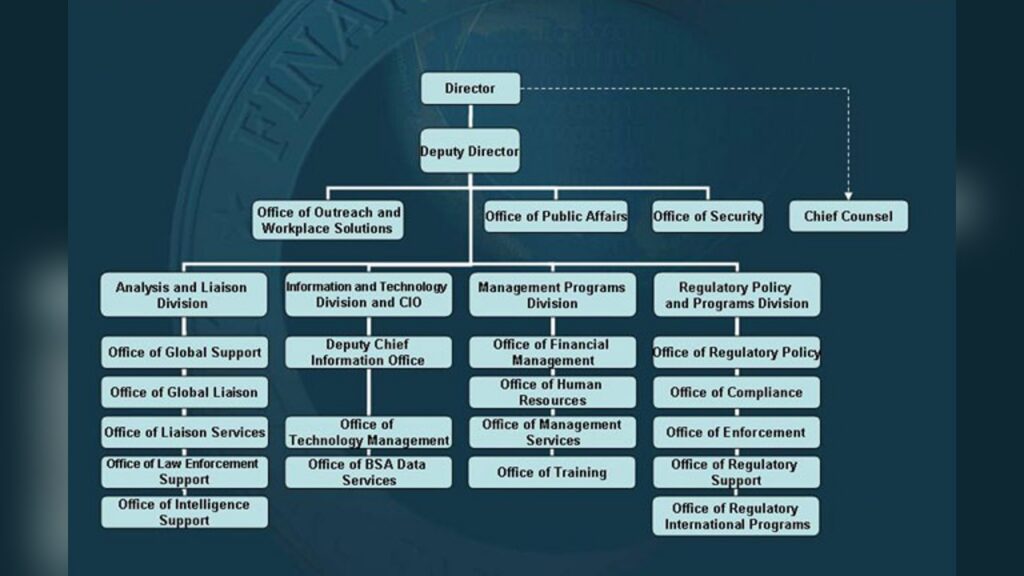
Last April, FinCen dropped the cash transaction reporting threshold from $10,000 to $200 for financial service businesses in 30 border zip codes. Two hundred dollars. The cost of a grocery run. The price of a money order for rent. Every single one of those transactions now came with a demand for Social Security numbers, home addresses, and personal identifying information, all funneled into a federal database.
 Virgílio Gomes (CC BY-SA 4.0) via Wikimedia Commons
The result was entirely predictable to anyone who has spoken to an immigrant in this country. People stopped coming. Ornelas watched her customers vanish. Elderly residents with limited mobility couldn’t pay their utility bills. Renters couldn’t get money orders for housing. The lines of people sending money to family south of the border dried up. By the time FinCen grudgingly raised the threshold to $1,000 in September, the financial services side of Nachita’s was, in Ornelas’s words, all but dead.
86 businesses covered by this order filed 700,000 reports. Seven hundred thousand reports on ordinary people buying groceries and paying rent. That is not anti-cartel work. That is a surveillance dragnet built on the backs of predominantly Latino communities, dressed up in the language of law enforcement.
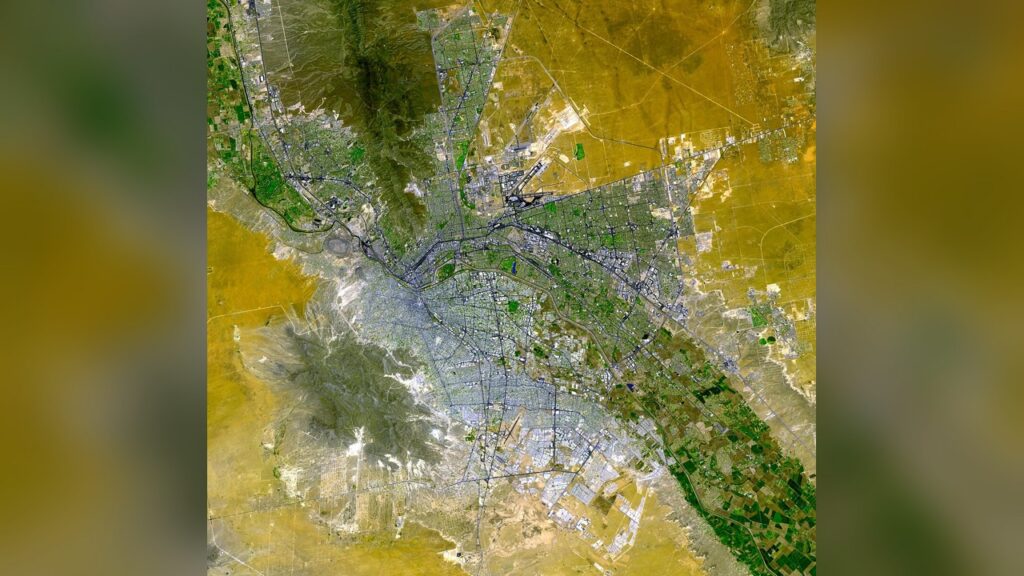
And it gets worse. In March 2026, FinCen expanded the order beyond the border to include Bernalillo County, New Mexico, and Maricopa County, Arizona. Counties far from any port of entry. The net keeps widening, and the people caught in it are not cartel operatives. They are workers, families, and small business owners who made the mistake of living in neighborhoods where the Treasury Department decided everyone is suspicious until proven otherwise.
 NASA/METI/AIST/Japan Space Systems, and U.S./Japan ASTER Science Team (Public domain) via Wikimedia Commons
The Institute for Justice and the Texas Association of Money Services Businesses sued, and federal judges in California, Arizona, and Texas blocked implementation. The Ninth Circuit upheld the pause in July. Rob Johnson, a senior attorney at the Institute for Justice, called it what it is: invasive and unconstitutional. He’s right. The Fourth Amendment does not have a border exception. You cannot throw a blanket of suspicion over entire zip codes because their residents happen to be of Mexican descent.
Meanwhile, Trump signed a 1% tax on international money transfers in July 2025. Congressional Republicans originally wanted 5% and proof of citizenship. They scaled it back after pushback, but the intent was never hidden. This is about making it harder and more expensive for immigrants to send money home. Mexico received over $60 billion in remittances annually from 2023 to 2025. That is $60 billion in earned wages flowing to families who depend on them. The administration calls it a loophole. The rest of us call it survival.
Esperanza Gómez, who runs a money services business in San Diego and is fighting the policy in court, named the double blow plainly. The immigration raids are targeting our people, she said, and now they’re going after the customers we serve.
 (Public domain) via Wikimedia Commons
This is not a coincidence. It is a coordinated assault on the financial infrastructure of immigrant communities, justified by a cartel-fighting narrative that has produced zero evidence of disrupting organized crime while producing mountains of paperwork for grocery stores. The Treasury Department can accuse Mexican governors of taking cartel money. It can indict Rubén Rocha Moya of Sinaloa. But when it comes to communities here at home, the only people being crushed are the ones least able to fight back.
The courts have paused parts of this policy. That is not enough. The geographic targeting order must be permanently struck down. The 1% remittance tax must be repealed. And every lawmaker who stayed silent while their constituents were buried in surveillance paperwork should be named, held accountable, and replaced by people who understand that a community’s lifeline is not a loophole.