


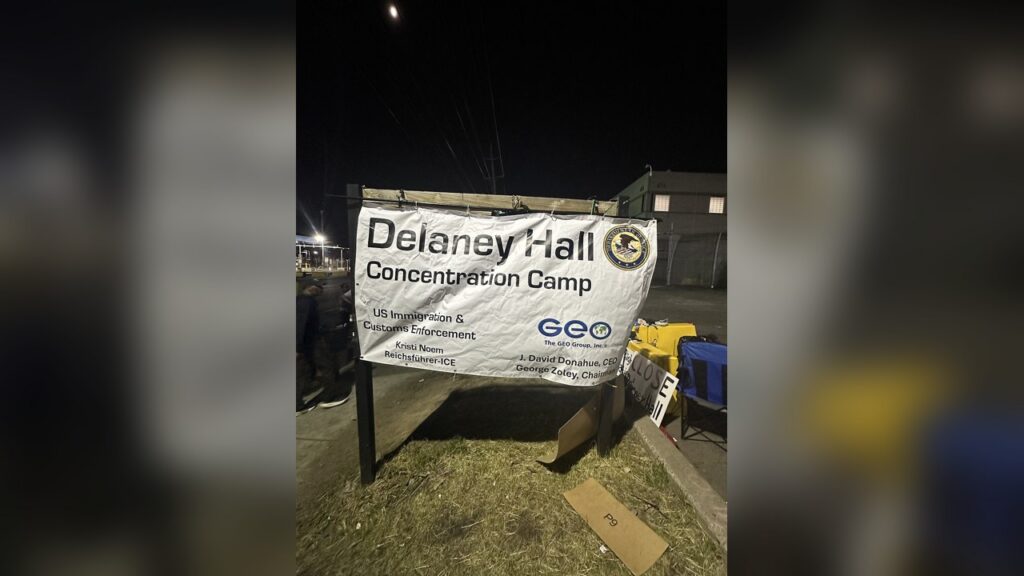
Three Dead at Delaney Hall and ICE’s Answer Is a Paperwork Trick
Edwin Lopez-Cornejo walked into Delaney Hall on June 18. He left on a stretcher on Aug. 1, headed to University Hospital in Newark, where he was pronounced dead. ICE says he was 41. His family says he was 39. They can’t even agree on how old the man was, and you’re supposed to trust them on how he died.
ICE’s press release is a masterpiece of bureaucratic calm. “Responded immediately.” “Called 911.” “Proper medical care.” And then this sentence, dropped like it’s nothing: “This is the best healthcare than many aliens have received in their lives.” Read that twice. A man is dead and the agency’s spokesperson is bragging about the quality of the care that failed to keep him alive. The grammar is broken and so is the thinking.
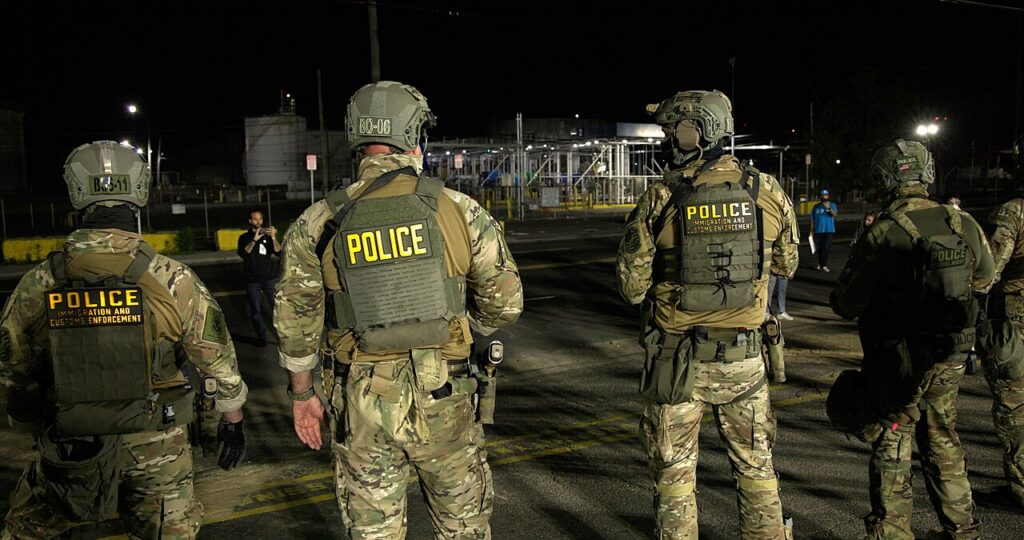 usicegov (Public domain) via Wikimedia Commons
His family believes he was already dead before the ambulance reached the hospital. Rep. Rob Menendez, who actually showed up for an unannounced visit instead of reading a press release from his office, said there’s the ICE version and then there’s what families and advocates tell you. “They often don’t line up,” he said. He chose to believe the families. Good instinct. When the government tells you everything is fine and the body count says otherwise, believe the body count.
Here’s where it gets good. Menendez discovered a third death connected to Delaney Hall. A man had a seizure during intake. ICE, rather than treating him and reporting it, granted what they call a “discretionary release.” They cut him loose on paper, right there, mid-seizure, and shipped him to the hospital where he died. Then ICE said, well, technically he wasn’t in our custody when he died, so we didn’t have to tell anyone.
Ask yourself who benefits from a system where you can release a dying man from custody so his death doesn’t count as your death. That’s not a policy. That’s a loophole you could drive a hearse through.
ICE is required by law to notify Congress when someone dies in their custody. So they engineered a way to make sure nobody is technically in their custody when they die. The man seized. They signed a paper. He died somewhere else. Problem solved. No notification needed. Two weeks went by before Menendez stumbled onto it during a visit he wasn’t supposed to be making. How many more have they papered over? You’ll never know, because the whole system is designed so you never ask.
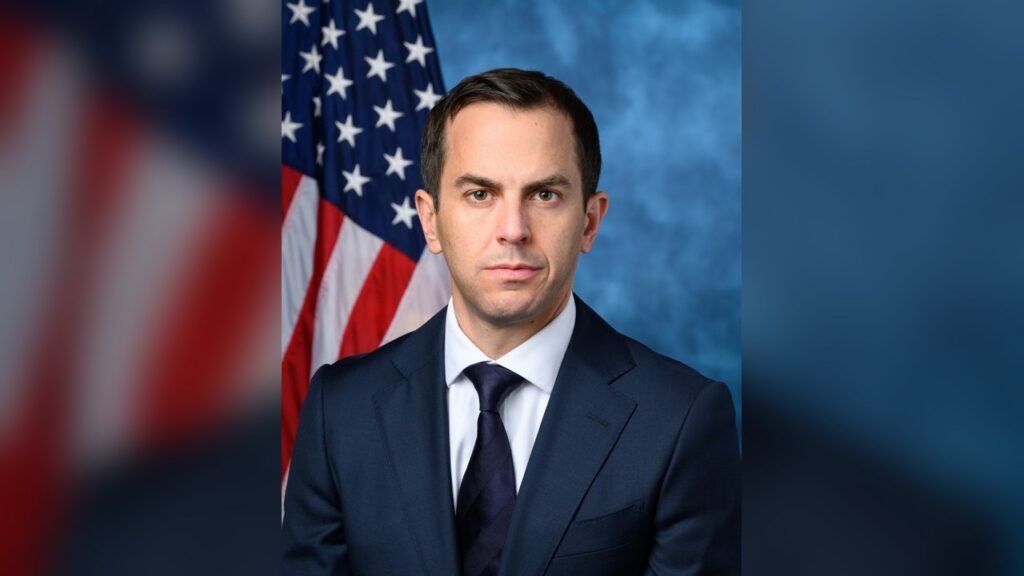 U.S. House of Representatives (Public domain) via Wikimedia Commons
All nine New Jersey House Democrats fired off a letter to DHS demanding an accounting of the three deaths. Sen. Cory Booker took the Senate floor Thursday afternoon asking for unanimous consent to pass the Delaney Hall Closure Act, which would shutter the place in 90 days. “How many more people should die?” he asked. Gov. Mikie Sherrill wants it closed too. Rep. LaMonica McIver said what anyone with eyes already knows: Delaney Hall is not equipped to treat people with serious chronic conditions. It’s a detention center, not a hospital, and ICE is stuffing people with medical needs into a building that can’t handle them and then acting surprised when they don’t walk out.
And here’s the kicker. The same day Booker was on the Senate floor, Eyewitness News cameras in Newark caught two ambulances pulling up to Delaney Hall within an hour of each other. Two more patients on stretchers. ICE called it “routine operations.” Routine. At a place where three people have now died.
Funny how every death at Delaney Hall is either not their fault, not their responsibility, or not their problem. Funny how the paperwork always works out in their favor. Funny how the only people who keep turning up dead are the ones nobody in charge had to look in the eye.
Three men dead. One agency with a press release for each. And a loophole big enough to hide a body in.