



Well, isn’t this something. The New York Times, that gray lady who’s been lecturing the rest of us about democracy from her Manhattan tower, has finally noticed what every American with a functioning kitchen table already knew: the Democrats can’t run a two-car funeral with a simple majority.
According to a Times opinion piece published this week, the party of “hope and change” now needs a full-blown supermajority to fix what it calls “this mess.” Sixty Senate votes. Control of the House. The presidency. And probably a pony to ride in on, too, at this rate. The column’s argument is that ordinary majorities aren’t enough anymore, that the filibuster and structural barriers mean Democrats would need to win roughly 60 Senate seats or abolish the filibuster entirely to pass the reforms they want.
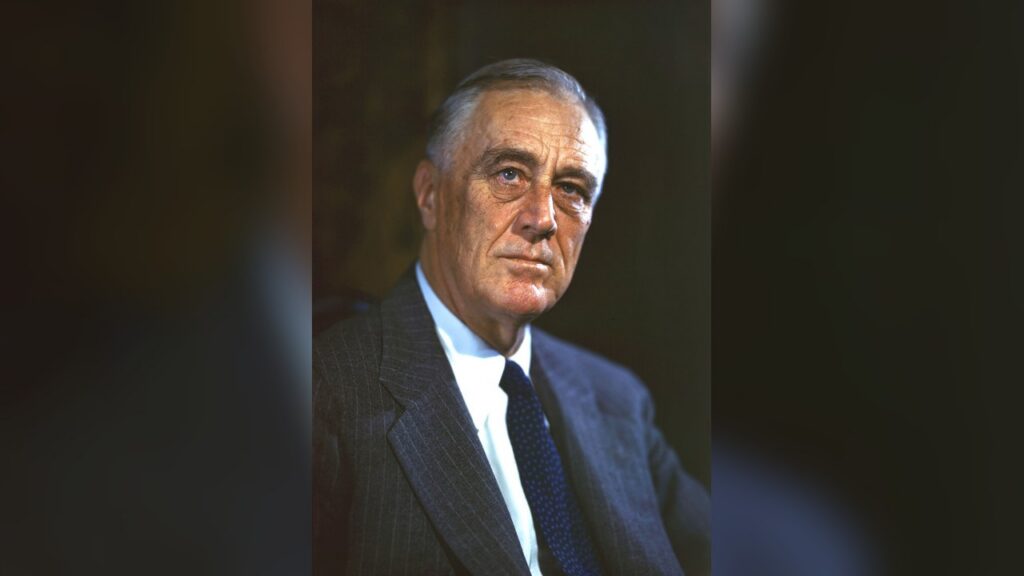 Leon Perskie (CC BY 2.0) via Wikimedia Commons
I have a question for the manager. If your plan requires a supermajority that hasn’t existed since Franklin Roosevelt was president, maybe your plan isn’t as popular as you think it is. Maybe, just maybe, the American people aren’t sitting around waiting for Washington to hand them a 60-seat mandate so a bunch of bureaucrats can finally get to work.
Here’s what I find genuinely hilarious, though. Even the Times’ own readers can see the problem their editorial board won’t say out loud. The loudest complaint floating around this story is the one that cuts deepest: Republicans can break things without a supermajority, but Democrats can’t fix anything without one. Now, I’d argue about who broke what, but the point stands. One side governs when it wins. The other side writes opinion columns about why governing is just too darn hard.
And they’ve been here before! 2008. Historic majorities. Both chambers. The presidency. Political analysts said Republicans were finished for a generation. Two years later, the American people handed the House right back to the GOP. The Times seems to remember this, because the column draws that exact parallel. What it doesn’t seem to grapple with is why. Why did voters reverse course so fast? Could it be that when Democrats actually get power, they use it to do things regular people don’t want? Could it be that the American public isn’t as progressive as the faculty lounge thinks?
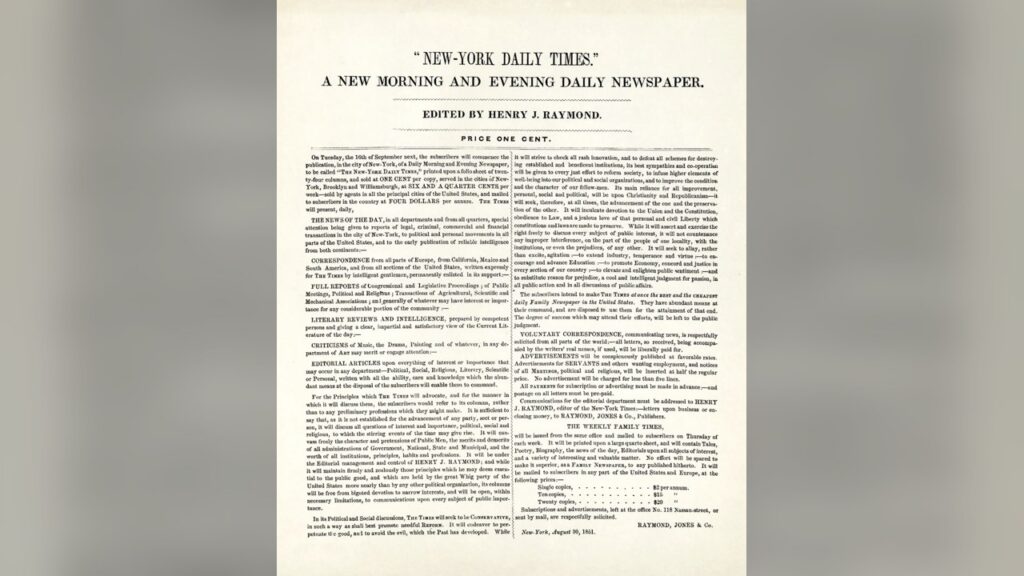 Henry J. Raymond (Public domain) via Wikimedia Commons
Nah. Must be the system’s fault. Must be the filibuster. Must be Citizens United. Must be oligarchs and social media and Fox News and something, anything, other than the possibility that their agenda doesn’t sell in the places where people go to church on Sunday and coach Little League on Saturday.
The column also floats the idea of abolishing the filibuster, which is the political equivalent of flipping the board when you’re losing at Monopoly. The filibuster was a sacred institution when it protected minority rights against Republican overreach. Now it’s an obstacle to progress that must be demolished. Funny how that works. Except I’m not supposed to say “funny how that works” because that’s what everybody says. So let me say it differently: it’s not funny at all. It’s predictable.
 Dorothea Lange (Public domain) via Wikimedia Commons
Here’s the thing the Times can’t seem to square. Democrats won a string of victories in the first major elections after Trump returned to office. They’re still picking through the rubble of 2024 trying to find a message. And their flagship newspaper’s answer is: you need more power. Not a better message. Not policies that match what families actually care about. Just more seats. As if the problem is that they haven’t won enough yet, rather than that they keep winning and then not knowing what to do with it.
The last time Democrats held a supermajority in both chambers was the New Deal. That was 1933. The country was in the Great Depression, a quarter of the workforce was unemployed, and FDR won 47 of 48 states. If that’s the bar, good luck clearing it in 2028 with a platform that includes telling parents their kids’ school curriculum is none of their business.
You don’t need a supermajority to listen to people. You don’t need 60 votes to show up at a town hall and hear that groceries cost too much and the border’s a mess and nobody asked for a committee to redefine the word “woman.” You just need ears and a little humility. And that, more than the filibuster, is what’s in short supply.