

Funny how these things work out.
Mitch McConnell, the longest-serving senator Kentucky has ever inflicted on the republic, has been on medical leave since mid-June 2026. He took a fall, landed in the hospital, shipped off to rehab, and is now recovering at home. Nearly two months of not showing up to work. And yet his Senate paycheck keeps depositing, his health coverage keeps paying, and he’s still casting votes by proxy from whatever armchair he’s recuperating in. John Boozman, the Arkansas Republican running the Agriculture Committee, literally told reporters he spoke with McConnell on the phone Wednesday night and got the green light to cast McConnell’s votes for him. McConnell’s first votes since going on medical leave were proxy votes on a farm bill markup. He wasn’t in the room. He wasn’t seen. He just phoned it in.
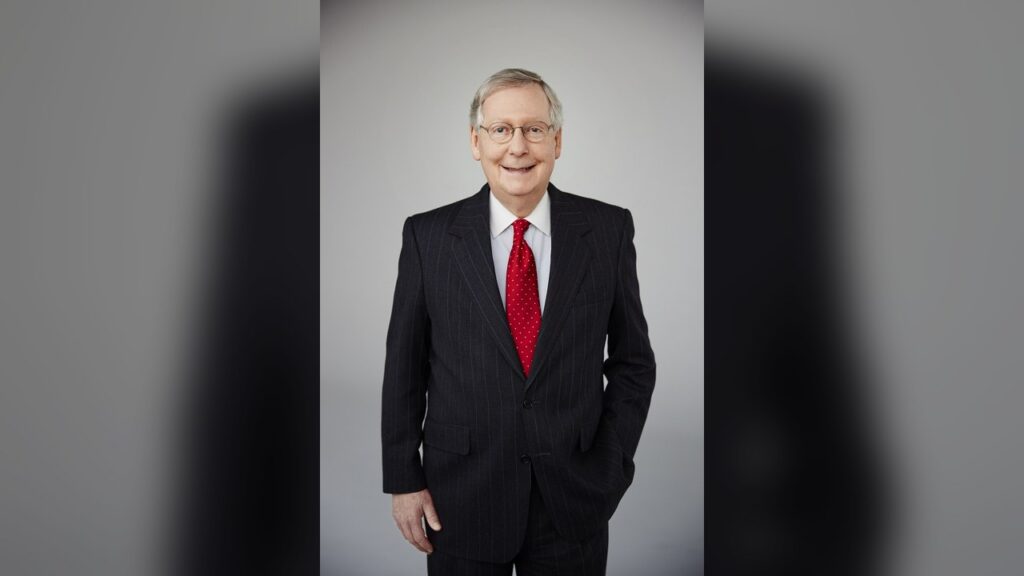 Office of Senator Mitch McConnell (Public domain) via Wikimedia Commons
Now ask yourself: when was the last time your boss let you phone in your work from a recliner for seven straight weeks and kept the direct deposit running?
Because here is the same man’s record on whether you get to stay home when you’re sick. In 1993, McConnell voted against the Family and Medical Leave Act, the law that gives workers 12 weeks of unpaid leave to care for a new child or a sick family member. Unpaid. Not even paid leave. He couldn’t stomach the idea of you not getting fired for taking time off you weren’t being compensated for. In 2015, Patty Murray brought a paid sick leave amendment to the floor. Seven days. Seven days of accrued paid sick leave per year. McConnell voted no. In March 2020, as COVID was tearing through the country, McConnell did vote for the Families First Coronavirus Response Act, which included emergency paid sick leave. But earlier that very same day, he voted against an amendment that would have extended those benefits through 2021. And then in December 2020, with the mandate set to expire on December 31, he reportedly blocked Congress from extending it. The paid sick leave evaporated. People went back to work sick or stayed home and went broke. And in 2022, he voted to force rail workers back on the job to prevent a strike, and earlier that same day voted against giving those same workers seven days of paid sick leave. Seven days. For the people moving the nation’s freight.
So the pattern is clear. Four chances to let working people stay home when they’re sick. Four times he said no, or said yes and then made sure the yes didn’t last. And now he’s on his own open-ended medical leave, collecting his salary, casting votes through a stand-in, and nobody in the Senate Republican caucus has raised a single objection.
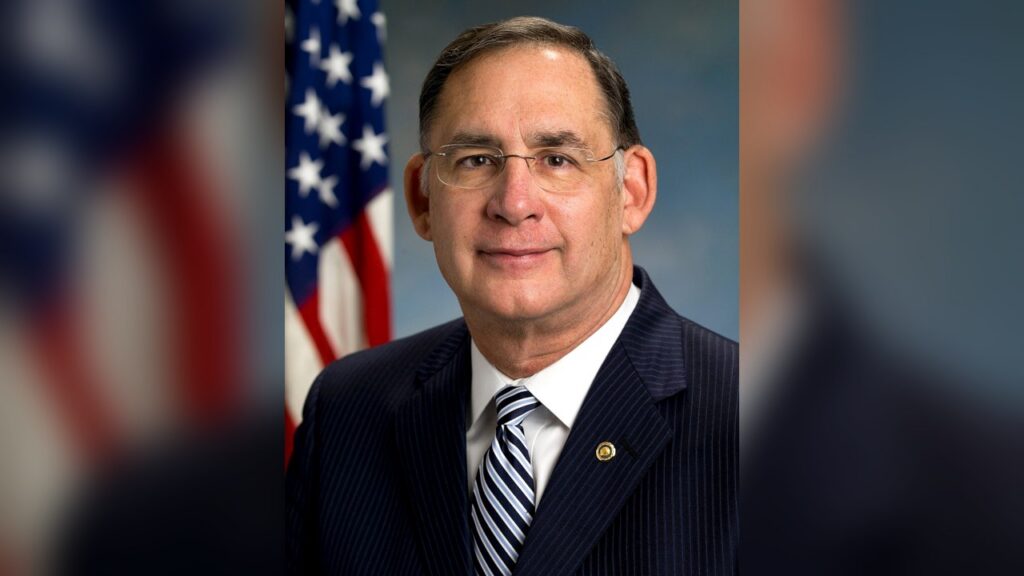 Office of United States Senator John Boozman (Public domain) via Wikimedia Commons
Because the rules are different. They always are. The people who write the laws don’t have to live under them. McConnell doesn’t need a paid sick leave mandate because senators get their health care through the federal government’s gold-plated system and their salaries guaranteed by statute. He doesn’t need the FMLA because he can just not show up and have a colleague vote for him. The rest of you? You need to earn it. You need to fight for seven days. You need to beg for an amendment that 39 senators will vote down on a Thursday afternoon and never think about again.
Snopes rated the claim “mostly true,” with clarifications. The clarifications are that the 1993 bill was unpaid leave, not paid, and that McConnell did technically vote for the 2020 emergency bill before working to make sure it expired. If that’s the defense, it’s not much of one. He voted against unpaid leave. He voted against paid leave. He voted to make sure paid leave ended on schedule. And he voted against seven days for rail workers while voting to deny them the right to strike over it.
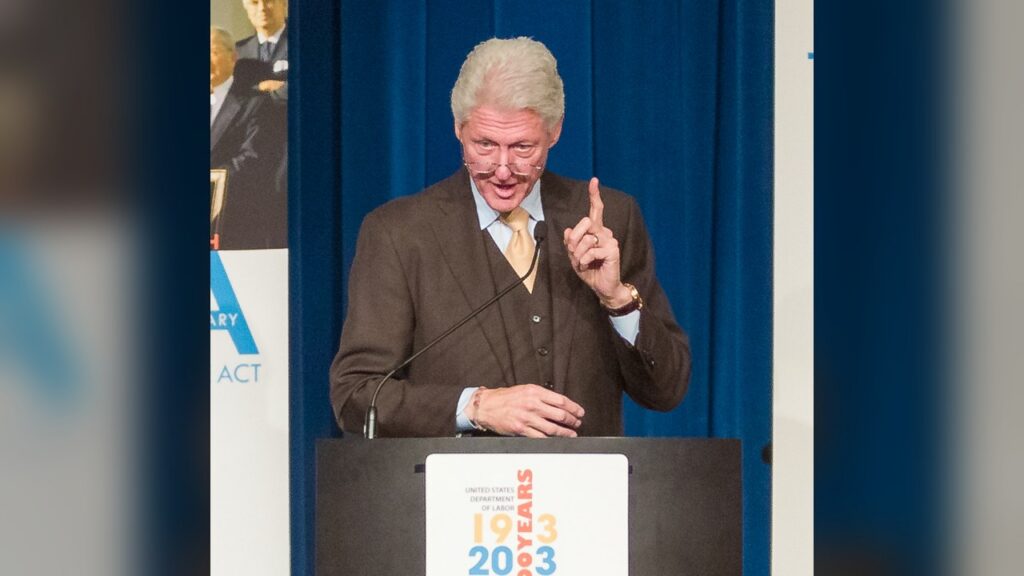 US Department of Labor (CC BY 2.0) via Wikimedia Commons
The man is on medical leave right now, voting by proxy, and the Senate is carrying him like a piece of luggage through an airport. Ask yourself who benefits from a system where the people deciding whether you get sick leave will never once in their lives need it themselves.