


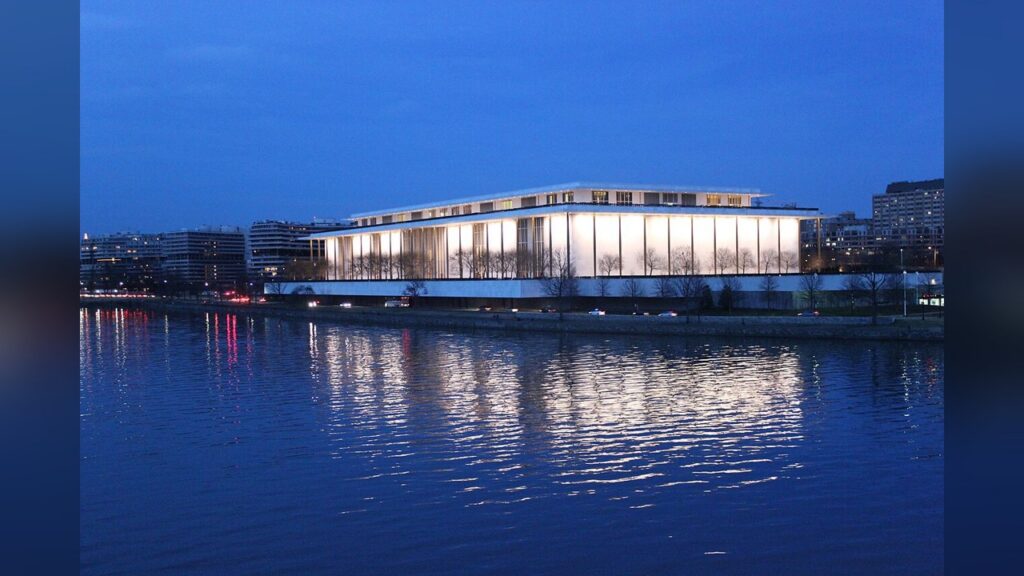
Funny how the same people who spent four years screaming about “lawfare” are the ones filing a million-dollar lawsuit against a vibraphone player because he didn’t want to perform under a renamed building. The Kennedy Center, now a wholly owned subsidiary of the Trump personality cult, sued jazz musician Chuck Redd for breach of contract after he backed out of a Christmas Eve concert. A contract he never signed. For a show that was free. That got canceled anyway because half the lineup walked. And they came after him for a million dollars.
Ask yourself who benefits from that. A guy who’d hosted the annual Jazz Jam for nearly 20 years sends one email to the Associated Press explaining why he’s pulling out, and suddenly Richard Grenell, the center’s president at the time, is threatening to bury him in seven figures of damages. Not the other artists who canceled. Just Redd. The one who opened his mouth.
Superior Court Judge Tanya Jones Bosier saw right through it. In June she dismissed the whole suit under D.C.’s Anti-SLAPP statute, a law built specifically to stop powerful institutions from suing people into silence for speaking on matters of public interest. The judge noted that Redd never signed a contract, the concert was free, the entire show was scrapped because multiple performers bailed, and the center lost nothing. No ticket sales. No sunk costs. No damages. Just a man who said what he believed and got targeted for it.
This week the judge put a price tag on the center’s little adventure: $252,479.70 in legal fees, due within 45 days. She even trimmed about $6,000 off what Redd requested, excluding hours she called “duplicative, excessive, or unnecessary.” So the court was fair. More fair than the Kennedy Center deserved.
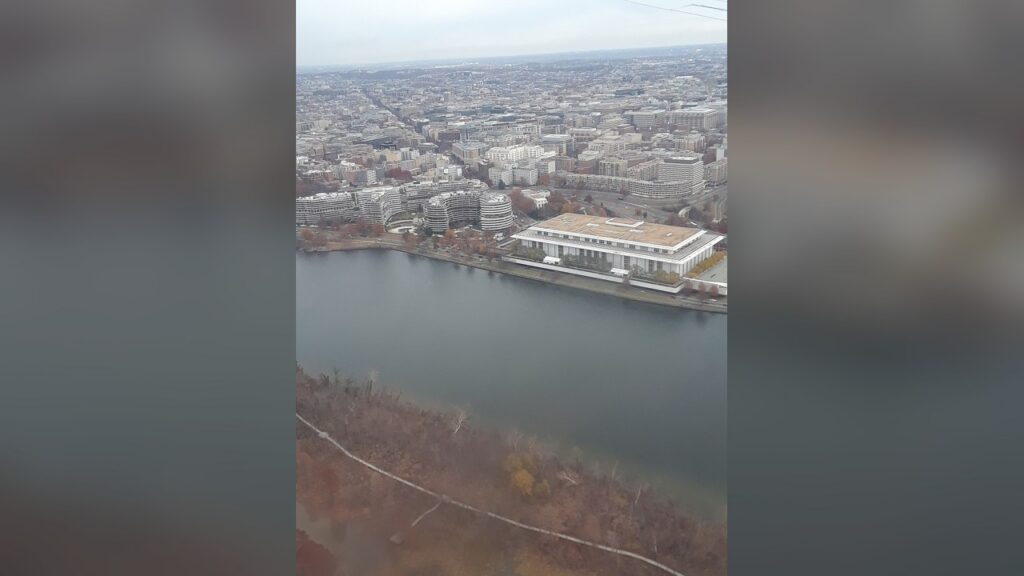 OhanaSurf (CC BY-SA 4.0) via Wikimedia Commons
The center’s lawyers called the fee award “nothing short of astonishing” and “out of all proportion to the issue at stake.” You want to talk about proportion? A federally funded arts institution tried to extract a million dollars from a working musician over a free Christmas concert. That’s proportion. The legal bill is the consequence of their own decision to weaponize the courts against a guy with a vibraphone.
Redd’s attorney, Lisa J. Banks, put it plainly: no citizen should have to spend time and money fending off baseless, politically motivated lawsuits filed by the Trump administration. She’s right, and the fact that this even needs saying tells you everything about who’s running that building now.
Trump took over the Kennedy Center in February 2025, fired the president, the board chair, and the board members, and installed his own people. He remains chairman. They slapped his name on the facade. A federal judge ordered it removed in June, and now a tarp covers the spot where it was. Most of the center’s programming is suspended. Trump announced he wanted to close the place for two years of renovations. Democratic board members still haven’t seen any plans. The building is barely functioning, but they had time and money to sue a jazz musician for having an opinion.
And now they plan to appeal. Of course they do. The establishment never accepts the first loss. They’ll keep dragging this out, burning through more money that ultimately came from taxpayers and ticket buyers, because the point was never to win. The point was to make an example. To make sure the next artist who thinks about walking out knows what’s waiting for them.
It didn’t work. Redd fought it, a judge called it what it was, and now the Kennedy Center owes him a quarter million dollars. The little guy won this round. Don’t expect the swamp to take it quietly.