


Every time somebody in a black robe starts asking real questions about Jeffrey Epstein, the same thing happens. The Justice Department sends its lawyers in to stall, stonewall, and say nothing with a straight face. And for years, it works. The files sit. The names stay blacked out. The public gets told it’s all very complicated and very sensitive and please move along.
This time, the judge isn’t moving along.
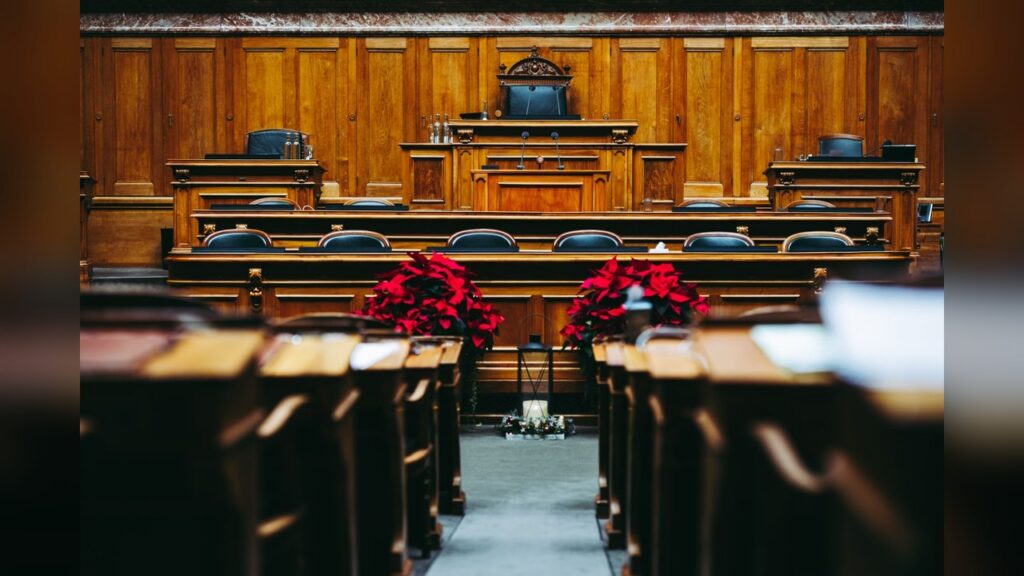
Judge Emmet Sullivan of the D.C. District Court hauled Justice Department lawyers into his courtroom Thursday and told them, flat out, that if they don’t start complying with court orders on Epstein records, contempt proceedings could follow them around for the rest of their careers. “The public has a right to know what the hell is going on in this case,” Sullivan said. “The victims have a right to know. The court has a right to know.”
Ask yourself a simple question: if there’s nothing to hide, why are they hiding it?
The case was brought by journalist Katie Phang, who wants the FBI to cough up documents tied to Epstein and, more importantly, lift the redactions on the names of people who were emailing him. You know, the names. The ones somebody decided you don’t get to see. Sullivan wanted to know why handwritten notes FBI agents took during witness interviews years ago never made it into the millions of pages DOJ already dumped. He wanted to know why documents in foreign languages were left out. He wanted to know why the department hasn’t published its explanations for redactions in the Federal Register, which Congress explicitly requires.
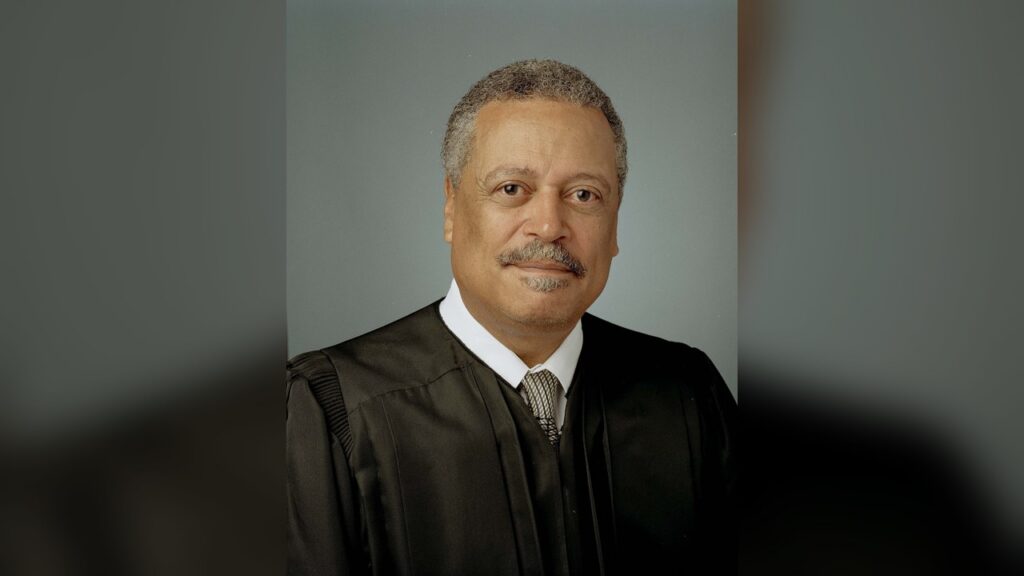 United States District Court for the District of Columbia (Public domain) via Wikimedia Commons
The DOJ lawyer, Andrew Block, had a response that should be framed and hung in every federal building in this country: “I have nothing else to say.”
That’s it. That’s what they’ve got. Millions of pages released, and somehow the handwritten notes are missing, the foreign-language files are missing, the redaction justifications are missing, and the best the federal government can come up with is “I have nothing else to say.” Funny how that works. Every time the little guy asks for a document, there’s a form, a fee, a six-month wait, and a denial letter. When a federal judge asks, the government shrugs.
Sullivan didn’t just lecture them. He gave them a history lesson. For nearly half an hour, off the cuff, he described the time he held Justice Department prosecutors in civil contempt during the botched corruption trial of then-Sen. Ted Stevens back in 2008. Stevens got convicted. Lost his seat. Then the conviction got thrown out because Sullivan discovered DOJ had been hiding documents from the defense. Prosecutorial misconduct, unearthed by a whistleblower. Sullivan told the three lawyers sitting at counsel’s table Thursday that he’d had no choice but to hold each of them in contempt. “How else was I going to ensure that justice was administered?”
Then came the line that should keep every DOJ lawyer in that room up at night: “That’s not a threat. It’s a promise.”
He said they weren’t in trouble. He said it several times. “I’m just having a conversation,” Sullivan told a silent, full courtroom. Then he opened the floor for responses.
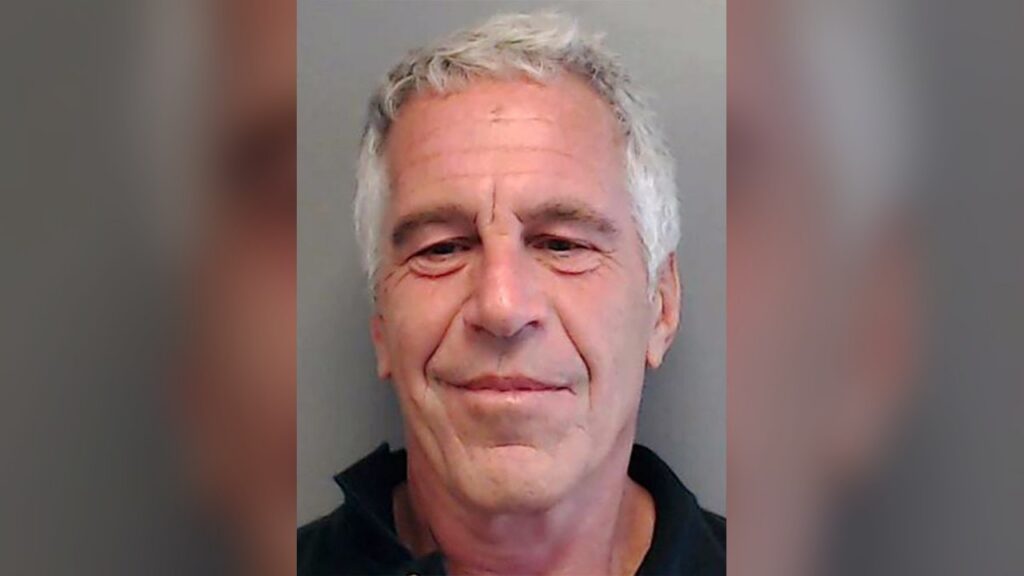 State of Florida (Public domain) via Wikimedia Commons
Nobody stood up.
Three government lawyers, a room full of people, and not one of them had a single thing to say. When you’ve got nothing, you’ve got nothing. And when the government has nothing to say about Jeffrey Epstein’s files, that tells you everything.