



Funny how the same companies that can flag a copyrighted song in three seconds flat spent thirty years pretending they had no idea their platforms were turning a generation of kids into dopamine zombies. The 9th Circuit Court of Appeals just ruled that more than 3,000 lawsuits against Meta, Google, TikTok, and Snap can move forward, and the tech giants are shocked, simply shocked, that anyone would hold them accountable for the slot machines they bolted onto every teenager’s phone.
Here is what happened. Meta and the rest tried to get these lawsuits thrown out by waving Section 230 of the Communications Decency Act around like a get-out-of-jail-free card they thought was permanent. The court said no. Section 230, the judges explained, is a defense against liability, not immunity from being sued in the first place. The appeal was premature. The cases proceed. A trial brought by 29 state attorneys general starts this week, and the court refused to delay it. Meta wanted to hit pause. The court said no to that too.
Now ask yourself: if Meta were truly confident in its record of protecting teens, why would it fight this hard to never have the question asked in front of a jury? Their official statement says they “remain confident in our record of protecting teens online.” They say that while facing lawsuits from families of four teenagers who died by suicide. They say that while a trial is already underway in Tennessee. They say that after a New Mexico judge called them a “public nuisance” and compared the psychological harm they cause children to pollution from a factory. Judge Bryan Biedscheid said Meta’s advertising and content are the product, and “the psychological harm and sexual exploitation of children” is the pollution that must be abated. That is a judge talking, not some crank on a blog.
And what did that New Mexico ruling cost Meta? $942 million total when you combine both phases. That sounds like a lot until you learn Meta pulls in roughly $60 billion a year in profit. Investors yawned. The stock dropped less than half a percent. A former Twitter VP called the fine “a drop in the ocean.” He is right. Meta will spend more on lawyers fighting these cases than it ever pays in damages, and it knows it. The whole game is to delay, appeal, stall, and outspend everyone who dares to challenge them.
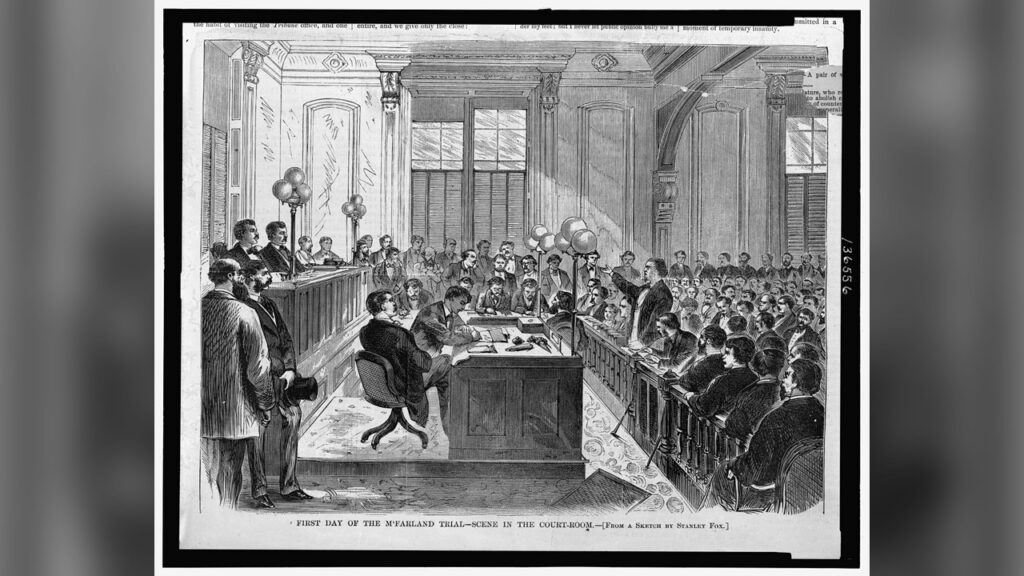 Fox, Stanley, artist (Public domain) via Wikimedia Commons
Section 230 was sold to the public in 1996 as a way to let the internet grow without getting sued into oblivion over every user post. Fair enough. But the tech companies took that shield and turned it into a fortress. They built algorithms that steer kids toward harmful content, engineered features to keep them scrolling past midnight, and then said, hey, we are just a platform, we are not responsible for what happens. The 9th Circuit just drew a line between content posted by users and the design choices the companies made themselves. That distinction should have been obvious a decade ago. It took this long because the people who were supposed to be watching the store were too busy taking donations and attending conferences to notice.
Twenty-nine state attorneys general are suing Meta for illegally collecting children’s data and designing platforms to keep young users hooked. School districts are suing. Municipalities are suing. Parents whose children are dead are suing. And Meta’s response is to issue a press release about how hard they work to keep people safe. They work so hard that a judge had to order them to stop sending push notifications to minors between 10 p.m. and 7 a.m. and to cap underage users at three hours a day. They had to be ordered by a court to do what any parent would have done for free.
The lawsuits will grind on. Meta will appeal everything. The experts will testify. The lawyers will bill. And somewhere in Menlo Park, someone is already calculating whether it is cheaper to just pay the fines and keep the algorithms running exactly as they are. You already know the answer to that one.