


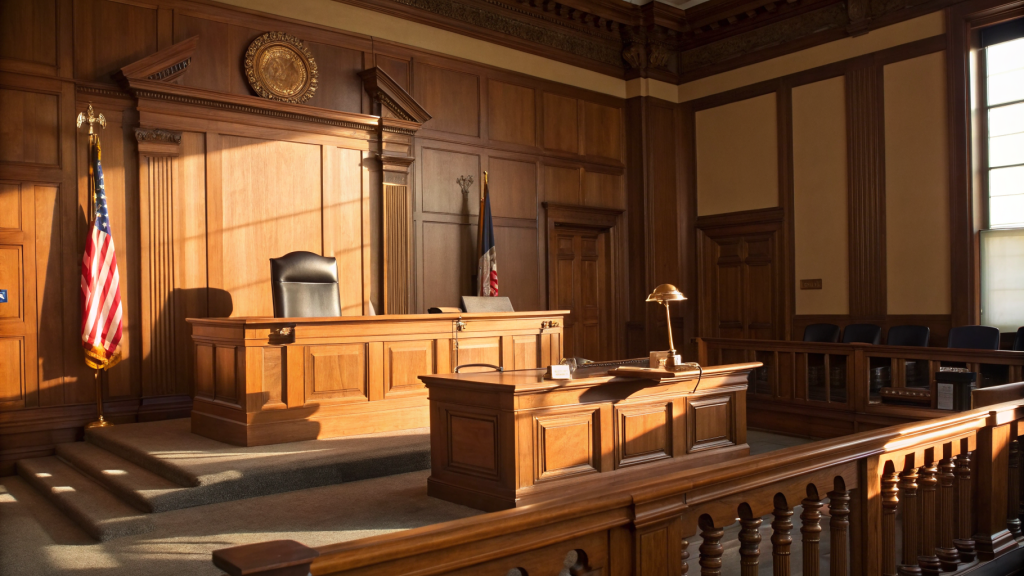
Gautam Adani was indicted for a $2 billion bribery and fraud scheme. He never set foot in a US courtroom. He was never arrested. And now the charges are gone, dismissed with prejudice, meaning they can never be brought again. The entire arc of this case, from indictment to obliteration, took less than two years. That is how fast accountability evaporates when the person holding the bag has enough money to rewrite the rules.
Here is what happened, in plain sequence. In November 2024, Adani posted congratulations to Donald Trump on his election victory and pledged $10 billion in US investment and 15,000 jobs. The criminal indictment against him, charging him with bribing Indian officials to win solar energy contracts and lying to American investors about it, was unsealed shortly after. Then Adani hired Robert Giuffra Jr., co-chair of Sullivan and Cromwell and a personal lawyer to Trump himself. Giuffra met with Justice Department officials. The line prosecutors who built the case were cut out of the conversation. Trent McCotter, a senior DOJ political appointee, took over, worked directly with Adani’s lawyers, and signed the dismissal papers alongside the US attorney for Brooklyn. The prosecutors who actually investigated the case did not sign. That is not how this is supposed to work, and everyone in that courthouse knows it.
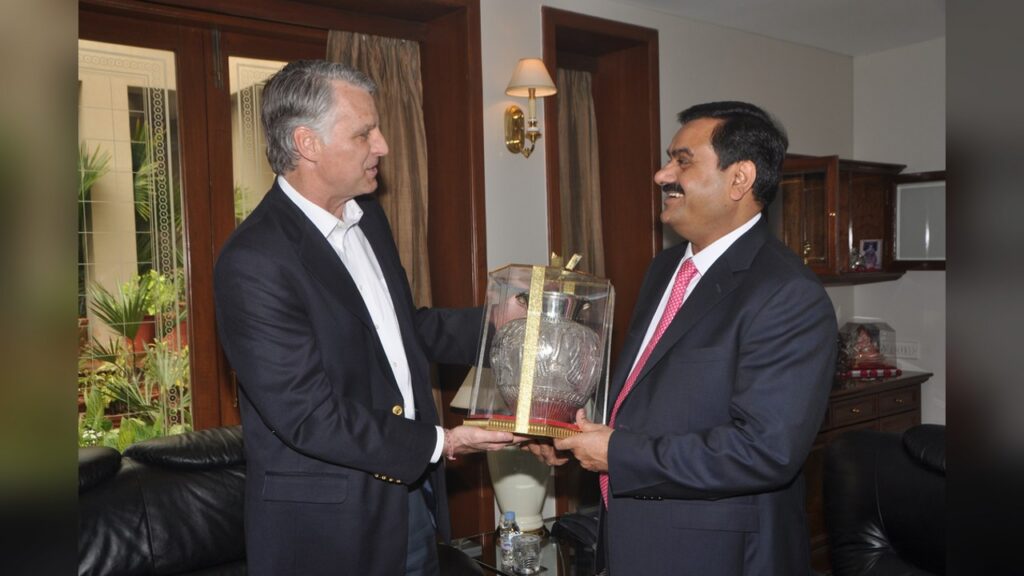 U.S. Embassy New Delhi (Public domain) via Wikimedia Commons
Judge Nicholas Garaufis did not rubber-stamp this. He called the DOJ’s initial explanation “bland and conclusory.” He demanded more information. He asked Adani, under oath, whether anything was promised in exchange for dropping the case. Adani said no. His lawyer, though, admitted in a court filing that on two separate occasions during discussions with the government, the legal team raised the $10 billion investment pledge as something that “might be part of a resolution of these matters.” The Justice Department says it declined to consider that. McCotter called the case “so indefensible” and said he would have sought dismissal regardless.
Maybe. Maybe not. Garaufis ultimately concluded the investment pledge did not influence the decision. But he wrote something that should be nailed to the door of every federal courthouse in this country: the public can draw its own conclusions about how such discussions might affect perceptions of equal justice and the rule of law. He called the irregularities “concerning.” He called the process “highly unusual.” A federal judge, sitting in Brooklyn, essentially told the American people: you are not crazy for seeing what you see.
What we see is a system that prosecutes street-level crime with militarized force and treats corporate crime as a scheduling inconvenience. Adani’s alleged bribery scheme was projected to generate $2 billion in profits. He settled separately with the SEC for a combined $18 million and paid $275 million to resolve potential civil liability over apparent violations of Iran sanctions. Those are rounding errors for a man whose conglomerate spans ports, airports, energy, and infrastructure across two continents. The criminal case, the one that carried the possibility of real consequences, is the one that vanished.
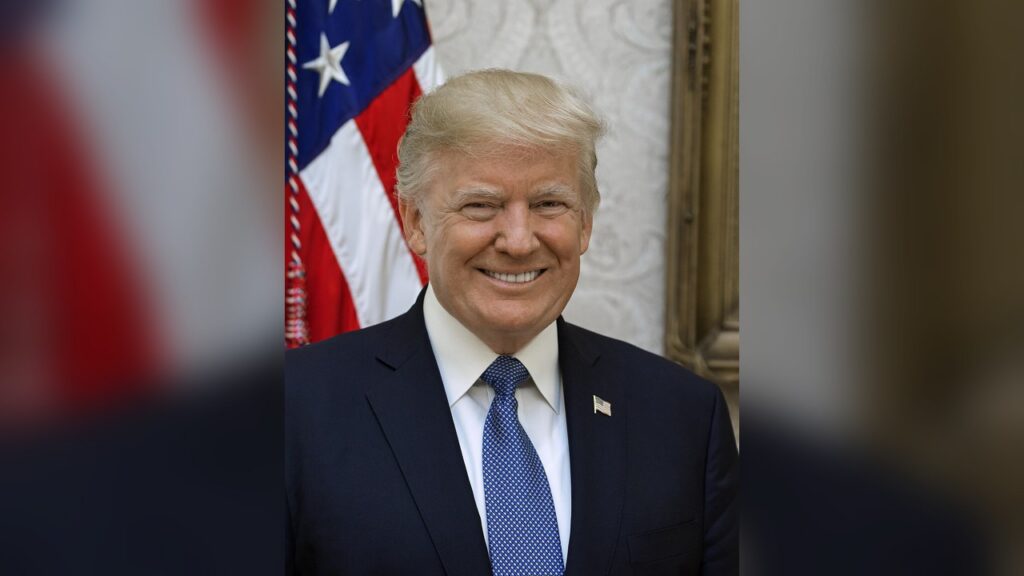 Shealeah Craighead (Public domain) via Wikimedia Commons
Senator Elizabeth Warren and Senator Richard Blumenthal wrote to acting Attorney General Todd Blanche asking about the “reportedly transactional nature” of this decision. That letter should not be the end of it. It should be the beginning. Congress has subpoena power. It has oversight authority. It has the ability to haul McCotter and every DOJ official who touched this dismissal into a hearing room and put their answers on the record under penalty of perjury. The line prosecutors who were sidelined should be invited to testify about what they found and why they believed the case was worth pursuing. The public deserves to hear from the people who actually did the work, not the political appointee who erased it.
This is not a story about one billionaire. It is a story about a justice system that bends toward power when power speaks loudly enough. Adani walked free because the structural architecture of federal prosecution allows political appointees to override career investigators without explanation, without accountability, and without consequence. That architecture is the problem. And it will keep producing outcomes like this until the people who built it are forced to answer for every dismissal they engineer in back rooms while the prosecutors who did the actual work stand outside the door.
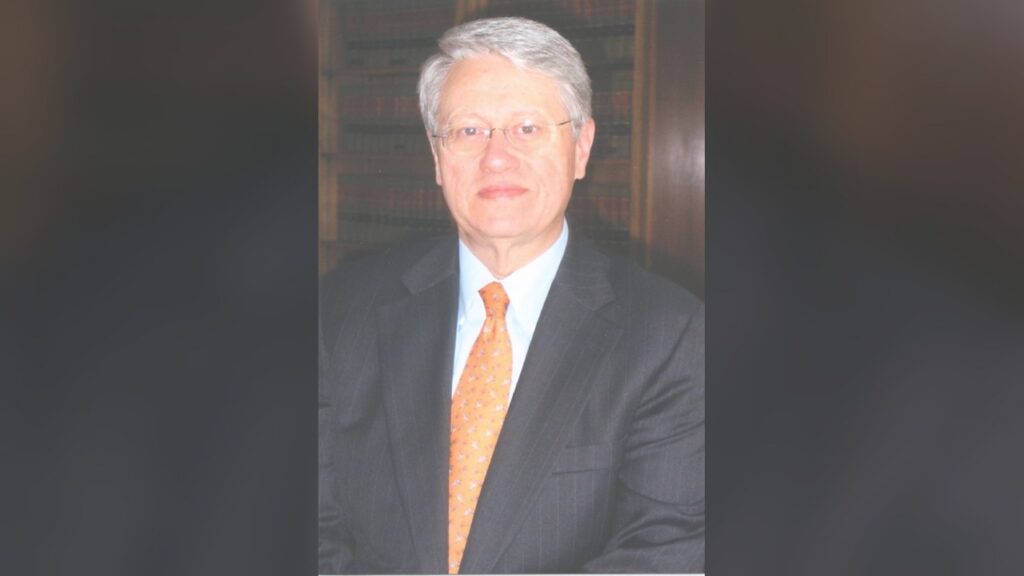 United States Government (Public domain) via Wikimedia Commons