


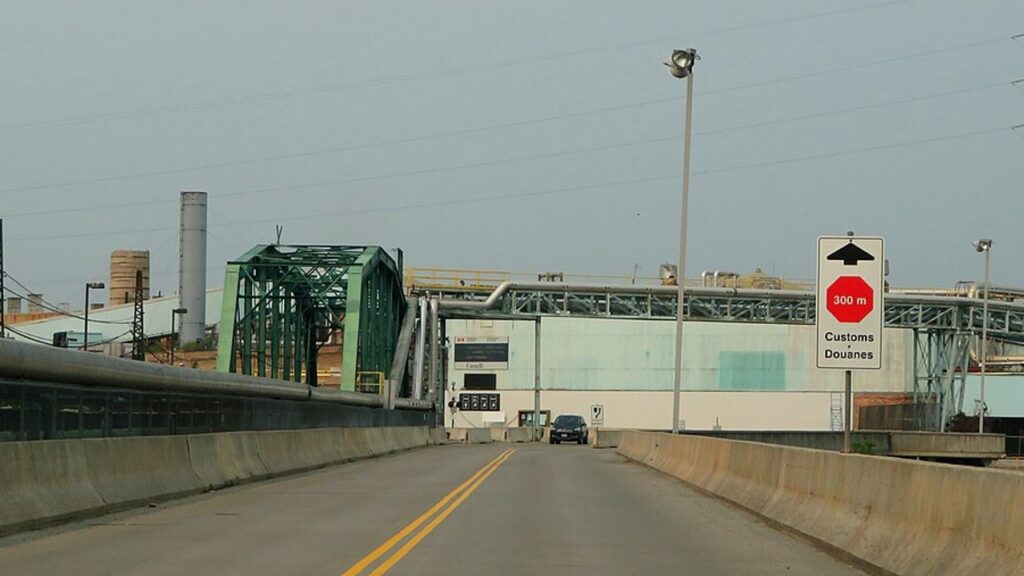
So here’s what happened, and you don’t need a degree from the Wharton School to understand it. The United States and Canada had a trade deal. They shook on it Tuesday. By Friday night, Canada was trying to slip new demands in through the back door, and the whole thing blew up.
Fifty percent tariffs on about $28 billion worth of Canadian goods are now in effect. Hockey sticks, automobiles, dairy, alcohol. You name it, it’s got a tariff on it. And Prime Minister Mark Carney, bless his heart, announced Canada will match us dollar for dollar on American goods heading north.
Now, I have some questions.
Carney put out a statement saying he pulled his negotiators out of Washington because of “last-minute changes in the U.S. proposed terms” that he called “unfair, uneconomic, and called into question the reliability of any deal.” Strong words. Real strong. Except he didn’t say what those changes were. Not one specifics. Just trust him, folks. The same guy who shook hands on Tuesday and then walked away on Friday wants you to believe we moved the goalposts.
U.S. Trade Representative Jamieson Greer tells a different story. He says Canada “declined to finalize the trade deal under the terms agreed earlier this week” and that “new demands and walk backs of other commitments by Canada have upended the careful balance reached in the past days.” So Canada agreed to something, then came back with a longer list. That’s not negotiating. That’s ordering off the menu after the kitchen’s closed.
Here’s what the deal would have covered, according to Greer’s office: lower U.S. levies on Canadian steel, aluminum, automobiles, and lumber. Export controls. Digital trade alignment. Critical minerals cooperation. Enforcement against goods produced with forced labor. The works. Greer called it a “missed opportunity,” and he’s right. Canada walked away from the best treatment any major exporter gets access to the American market. That’s not our loss. That’s theirs.
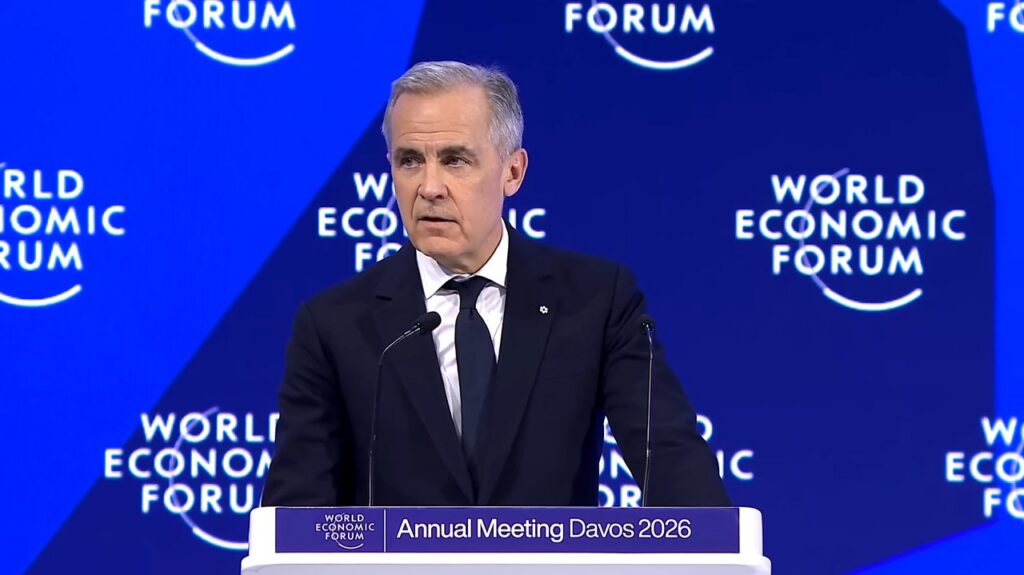 World Economic Forum (BY) via wikimedia
Now, I know what the hand-wringers are going to say. Tariffs are taxes on consumers. Trade wars hurt everybody. Nobody wins. I’ve heard that sermon a hundred times from the same people who shipped our manufacturing base to China and called it “globalization.” They told us free trade would lift all boats. Well, our boat sprung a leak and theirs got a second deck.
Trump stood at a White House helipad on Wednesday and said the deal was “very fair” and “good for everybody.” He said our farmers would be thrilled, our manufacturers would be thrilled. He paused the tariffs for three days to give negotiations one last shot. Canada used that time to come back with new demands instead of signing on the dotted line.
At some point you have to stop renegotiating with people who won’t stop renegotiating. Trump first threatened these tariffs back on July 20. That’s months of talks. Months of meetings in Washington. Months of good-faith effort from American negotiators who, by Carney’s own admission, worked hard right up to the last minute. And Canada still couldn’t close.
The U.S. offered Canada the best deal any major exporter gets in our market. Canada said no and then complained about it. You can’t do business with someone who keeps moving the finish line. At some point, you walk away from the table and let the tariffs do the talking.
Greer’s right. It’s a missed opportunity for Canada. For us, it’s a lesson we should have learned a long time ago: stop letting other countries renegotiate deals they already agreed to. Sign the paper. Honor the paper. Or pay the tariff.