


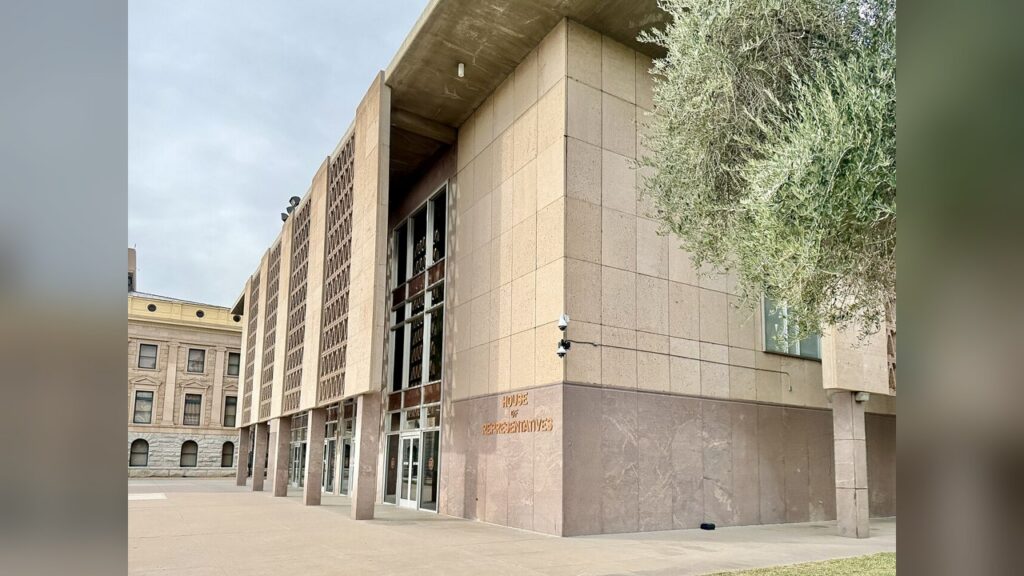
Here’s a fun little number for you. One billion, eight hundred and eighty million dollars. That’s what Paramount Skydance is asking a federal judge to slap on the states suing to block its merger with Warner Bros. Discovery. And Arizona, bless its heart, is one of the states standing in the plaintiff line, holding the bag.
Arizona Senate President Warren Petersen, a Republican, wants a public hearing. He wants to know how much taxpayer money is at risk. He wants to know what safeguards exist. He wants to know whether the legislature would even have to approve spending your dollars to pay off a Hollywood studio’s hurt feelings. And he wants Arizona Attorney General Kris Mayes to sit down in front of the public and explain herself.
That sounds reasonable, doesn’t it? You’d think so. You’d think the person who signed your state up for a lawsuit that could end with a nearly $2 billion bill would have already walked through that math. You’d think she’d have picked up the phone and told the Senate, “Here’s what this could cost, here’s our exposure, here’s the plan.” Instead, Petersen says the Senate has received zero fiscal analysis, zero legal analysis, zero anything from her office. Just a lawsuit with your name on the receipt.
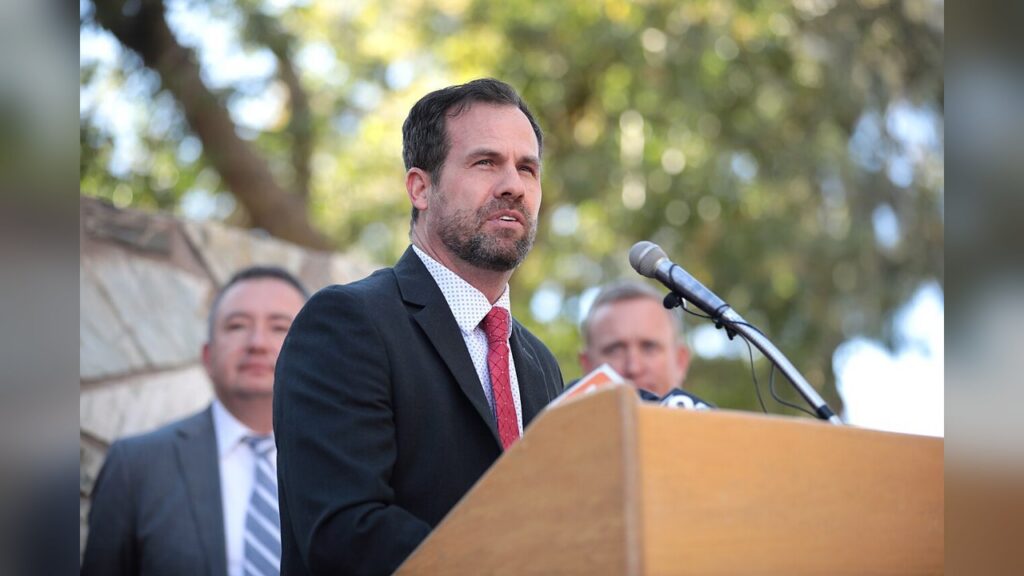 Gage Skidmore from Surprise, AZ, United States of America (CC BY-SA 2.0) via Wikimedia Commons
Twelve blue states, led by California, and the Writers Guild of America filed the antitrust suit claiming the Paramount-Warner Bros. Discovery merger would crush competition. California AG Rob Bonta calls Paramount’s bond request “blackmail,” designed to scare states into dropping the case. Maybe he’s right. Maybe it is a pressure tactic. But here’s the thing, hon. When somebody’s playing chicken with a freight train, you don’t stand on the tracks to find out. You at least check whether you’ve got insurance.
Mayes is a Democrat seeking reelection. Petersen is running for her job. So yes, there’s politics here. There’s always politics. But the question he’s asking isn’t political. It’s arithmetic. If the court grants this bond and Arizona loses, who pays? You do. The teacher in Mesa, the mechanic in Tucson, the small-business owner in Flagstaff. People who didn’t ask to be part of California’s crusade against a movie studio merger they probably couldn’t name on a bet.
State Treasurer Kimberly Yee, also a Republican, didn’t return a request for comment. That’s not exactly inspiring either. If there’s a potential $1.88 billion liability floating around out there with Arizona’s name on it, the treasurer’s office might want to say something beyond “no comment.”
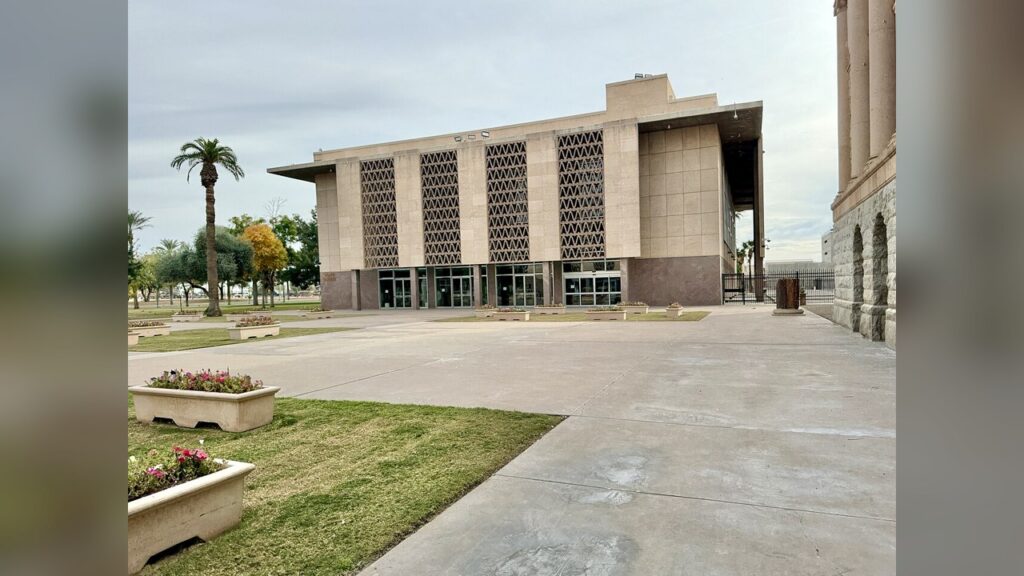 w_lemay (CC BY-SA 2.0) via Wikimedia Commons
Petersen put it plainly. “Protecting consumers should never mean handing taxpayers a surprise bill.” He’s right about that. You don’t protect the people of Arizona by gambling their money on a lawsuit California dreamed up, then refusing to tell anybody what the downside looks like. That’s not consumer protection. That’s arrogance with a letterhead.
The merger may or may not be good for the marketplace. That’s for the courts to sort out. But the people who are supposedly being protected in this lawsuit deserve to know what the protection costs before the bill arrives. Mayes owes Arizona an answer. A real one, with numbers attached, delivered in a room where people can ask follow-up questions. Not a press release. A hearing.
Because here’s what I know about surprise bills. The people who send them never seem surprised. It’s always the folks opening the envelope who get the shock.