


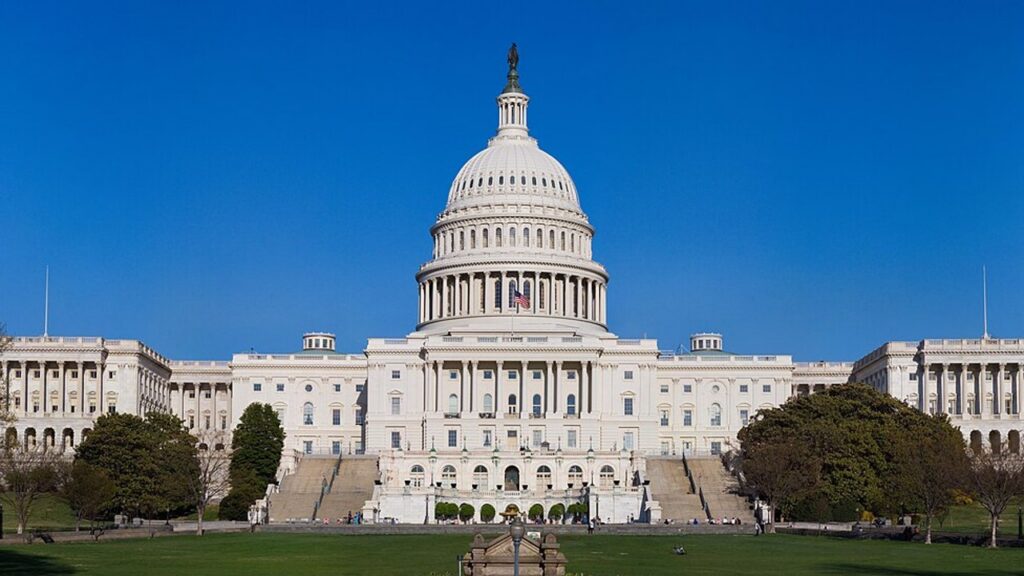
Forty trillion dollars. Let that number sit in your mouth for a second, because Washington sure isn’t chewing on it. The U.S. national debt has crossed $40 trillion, and according to the Washington Post, it got there faster than the forecasters themselves predicted. These are the same forecasters, by the way, who are paid handsomely to predict things. So either the math is harder than they thought, or nobody in charge is even pretending to care anymore.
I’m going to go with option two.
 Sergei Starostin / Pexels
The debt was at $36 trillion at the end of 2024. Eight months later, we’re staring at $40 trillion. That’s four trillion dollars in roughly the time it takes to grow a decent tomato garden. And what did we get for it? Go ahead. Name one thing. I’ll wait.
You can’t, because there’s nothing to show for it. That’s the part that ought to make every working person in this country want to march down to the manager’s office. You or I run up the credit card, we at least have a new refrigerator to point to. Washington runs up four trillion and hands you a receipt that says “various.”
Meanwhile, the New York Fed just reported that regular Americans have piled up $1.26 trillion in credit card debt, nearly tying last year’s all-time high. Late-stage delinquencies, meaning people more than 90 days past due, jumped from 7.6% to 12.8% in a single quarter. The Fed researchers called it a “K-shaped economy,” which is what people with corner offices say when they mean some folks are doing fine and the rest are drowning. Fifty-five percent of people carrying a balance are using the card for groceries and utilities. Not vacations. Not jet skis. Essentials.
 Rowland Scherman / Adam Cuerden (Public domain) via Wikimedia Commons
So let me get this straight. The federal government borrows forty trillion and nobody blinks. A single mom puts groceries on a Visa because eggs cost what a steak used to, and some analyst at a bank writes a blog post about “household balance sheet stress.” Bless their hearts.
Here’s what I’d like explained to me like I’m five, since that’s apparently how they think of us anyway. If the government can print and borrow money with no ceiling and no consequences and no plan, why do the rest of us have budgets? Why do any of us balance a checkbook, clip coupons, or decide between the electric bill and the pharmacy? If the rules don’t apply to the people who wrote them, what exactly are the rules for?
Donald Trump stood up in 2016 and said he’d eliminate the national debt in eight years, mostly through better trade deals. That promise is now sitting in a drawer somewhere next to the infrastructure week filings. Both parties have had the wheel, and both parties drove straight into the same ditch. The only difference is which set of donors got the airbags deployed.
 Dmadeo (CC BY-SA 3.0) via Wikimedia Commons
The professional explainers on television will tell you this is complicated. It is not complicated. You spend more than you make, you owe more than you have, and eventually somebody comes to collect. That’s not economics. That’s arithmetic. You can see it with your own eyes at the kitchen table every month, and you don’t need a committee or a forecast to tell you what happens next.
Forty trillion dollars. No receipt. No plan. And the people who ran up the tab are already asking to borrow more.
Sources: