


There’s a sign outside the federal courthouse in Oakland with nearly 600 names on it. Children’s names. Eleven-year-old Giovanni. Thirteen-year-old Bubba. Fifteen-year-old Riley Basford, who killed himself in 2021 after a predator got to him through Facebook. Seventeen-year-old Elijah Heacock, dead after a sextortion scam that followed him from TikTok straight onto Instagram. His mother, Shannon, stood outside that courthouse Tuesday and said something every parent in America needs to hear: “My son did not take his life. My son was killed.”
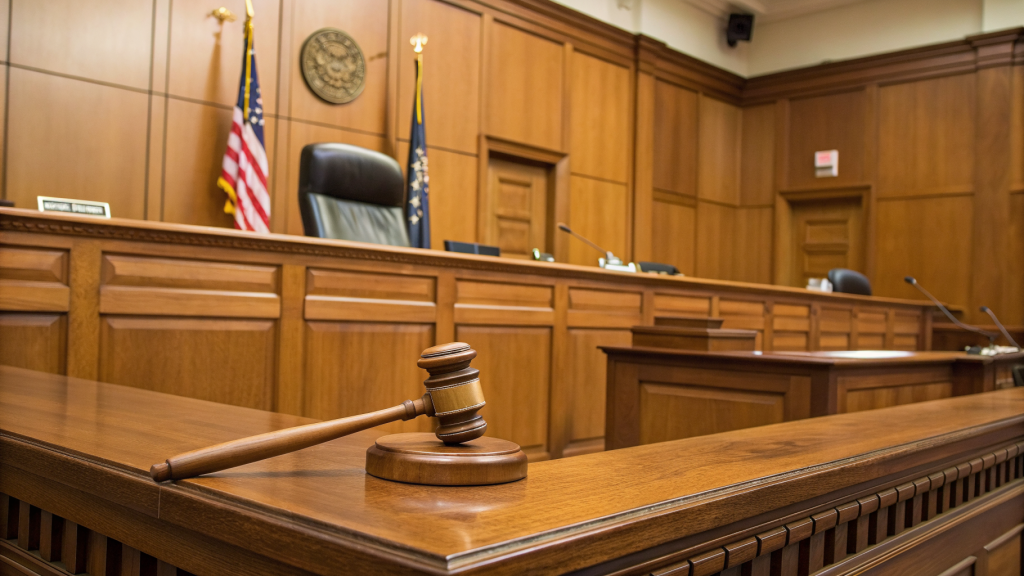
She’s right. And inside the building, 29 state attorneys general finally started making the same case to a jury. California AG Rob Bonta is co-leading the trial, and bless his heart, he’s not even pretending this is about money. “This is not a damages case,” he said after opening arguments wrapped. It’s about civil penalties, restitution, and what he called “distortion.” In plain English: Meta lied, kids got hurt, and somebody needs to answer for it.
And did Meta lie? California Deputy AG Megan O’Neill laid it out for the eight-person advisory jury in a sentence that ought to be carved on Mark Zuckerberg’s office door: Meta’s business model was to “hook the users, hold them for as long as they can, harvest their data, and then hide the truth from the public.” She added the part that turns your stomach. “It worked especially well for kids.”
Of course it did. You don’t need a psychology degree to understand this. You need eyes. Infinite scroll. Autoplay. Likes. Beauty filters that tell a thirteen-year-old girl her face isn’t good enough. Push notifications engineered to yank a child back to the screen at dinner, at homework, at 2 a.m. Every feature on Instagram is a slot machine lever, and the house always wins. The house just doesn’t count the bodies.
 OrnaW / Pixabay
Meta’s lawyer, Paul Schmidt, told the jury there’s “no dispute” some users struggle but that the company doesn’t believe its products are dangerous. Well. That’s reassuring. A former Meta safety engineer named Arturo Bejar took the stand as the states’ first witness and testified that “move fast and break things” wasn’t just a slogan. It was how they operated. Products like Reels got shipped out into the world, he said, and “safety was not a consideration in how it was initially deployed.” They built a playground with no fences and no adult supervision and then acted surprised when kids got hurt.
Meta is out there warning that penalties could hit $1.4 trillion, roughly the company’s entire market cap, hoping you’ll gasp and think that’s unreasonable. The states say $200 billion is more realistic. But here’s the thing. When you’ve got a sign with 600 children’s names on it, I don’t want to hear about your market cap. I want to hear what you’re going to do differently.
The states want Meta to delete all data collected on kids under 13, scrap infinite scroll and autoplay, kill the beauty filters, and enforce real age restrictions. Common sense. The kind of thing parents have been begging for while Silicon Valley executives patted them on the head and told them to monitor their kids’ screen time, as if any parent can out-engineer a billion-dollar addiction machine.
Zuckerberg and Instagram chief Adam Mosseri are expected to testify. Good. Let them sit in that witness chair and explain to a jury, and to those mothers standing outside with photographs of their dead children, exactly why “move fast and break things” was worth it.
Bonta says Meta is just “first in line,” that TikTok, YouTube, and Snap are all in the crosshairs next. Fine. Line them all up. But start here, with the company that built the biggest playground and looked the other way while the bodies piled up. Six hundred names on a sign. And that’s just the ones we know about.