


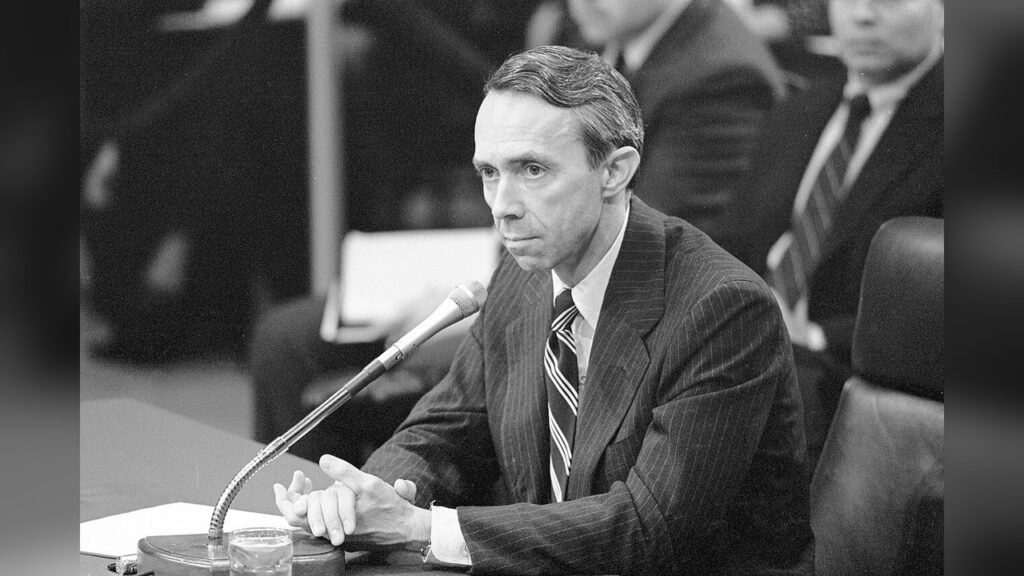
Seven years. That is how long it had been since a sitting Supreme Court justice bothered to show up on Capitol Hill and answer a single question from the people who fund their operation. Seven years of silence, and then Justices Elena Kagan and Amy Coney Barrett walk into a hearing room last month, lines out the door, and what do they lead with? A bill for $228 million.
That is the court’s budget request for the fiscal year starting October 1. A cool $20 million more than last year. And the biggest chunk of the increase, $14.6 million, is for more bodyguards. Six additional agents per justice. A new visitor screening facility. An off-site residential security office. The Marshals Service logged 564 threats against federal judges in the last fiscal year, and Kagan told the panel that threats against the Supreme Court specifically are expected to rise 38 percent this year.
So let me get this straight. The same institution that spent a decade dodging congressional oversight like it was beneath them now comes knocking with its palm out, and the sales pitch is: we need more armed protection because people are angry at us. You think maybe there is a connection between refusing to answer to anybody for seven years and the public deciding you are untouchable? Because I do.
Barrett told the room she had to bring a bulletproof vest home and explain to her 12-year-old son what it was. She said her boy opened the front door in May to find the street lined with police cars responding to a fake swatting call. In 2022, a man was arrested near Justice Brett Kavanaugh’s house with weapons and zip ties. These are real threats. Nobody is disputing that. But here is what the justices will not connect: when you run the most powerful, least accountable institution in the country behind closed doors, hand down rulings that reshape everybody’s life, and then refuse to sit in a chair and explain yourself, the frustration does not just evaporate. It finds a target.
 USDAgov (Public domain) via Wikimedia Commons
The Brennan Center, which has been pushing for this kind of appearance, noted that between 1960 and 2011, at least one justice testified before Congress every single year. Ninety-three hearings over six decades. Then it stopped. Eleven of the fifteen years before this hearing, nothing. Zero. The Congressional Research Service could not find a single appearance. What changed? The court got more powerful, the rulings got more political, and the justices decided they were too important to be questioned. Funny how that works.
And then there is the ethics code. The court adopted one in 2023 after a parade of stories about undisclosed luxury trips and gifts from wealthy benefactors. But the code has no enforcement mechanism. There is nobody who checks whether a justice follows it. Kagan said she supports creating one. Barrett said she is “not quite sure” it is possible. Of course she is not sure. The whole point of a code with no enforcement is that it looks like accountability while delivering none. That is not a bug. That is the design.
Kagan also raised the shadow docket, the emergency appeals where the court hands down orders with no explanation, no argument, no briefing. She said there are “downsides” to using emergency relief. The Trump administration has been running its agenda through that docket, notching wins on federal workforce cuts and restrictions on transgender military members. Kagan said the court should “consider those downsides.” Strong words. Let’s see if they translate into a single vote.
The pairing was deliberate. Kagan, appointed by Obama. Barrett, appointed by Trump. A cross-ideological front, one account called it. You send one from each side so it looks like institutional unity instead of what it is: nine lifetime appointees who answer to nobody, showing up only when they need a check.
House appropriators have already advanced a bill funding the court at $207 million, which is less than the justices asked for. So they came, they testified, they told their stories, and Congress is going to give them most of what they want anyway. Because that is how this town works. The only people who ever get told “no” are the ones who cannot afford the trip to Washington.