


Seven Taliban special forces dead. Eleven more wounded. And the guys they were fighting? One dead, three wounded. Those aren’t the numbers of a regime in control. Those are the numbers of a gang that can’t stop shooting at its own former employees.
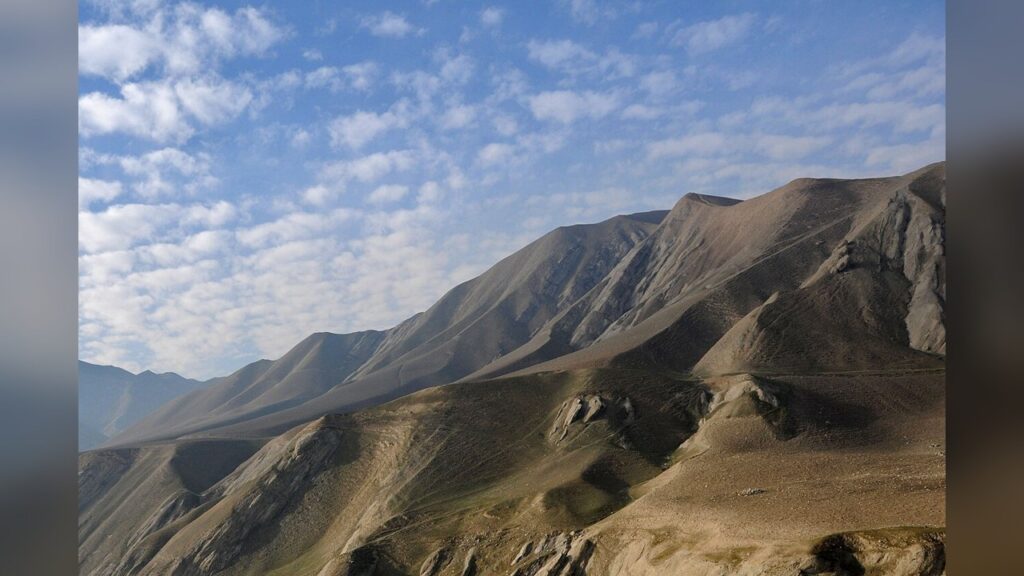
Here’s what happened in Nusay district, Badakhshan, and I want you to really sit with this. A Taliban commander named Juma Khan Fateh decided he wasn’t going along with the program anymore. He’d already slipped out of Kabul while Taliban intelligence was watching him, which tells you everything about how sharp that intelligence operation really is. So the Taliban sent special forces to his villages to grab his weapons and vehicles. Fateh’s guys pushed back. And now there are body bags on both sides.
But wait. It gets better. Or worse, depending on whether you’re one of the people who actually lives there.
For months, Taliban special forces had been running what I can only describe as a neighborhood occupation. They set up bases in mosques. In schools. In clinics. They paid outsiders to pretend to be miners and shopkeepers so they could identify people close to Fateh. They patrolled the alleys every single night, on foot and in military vehicles, harassing residents. People complained to the district administration. Repeatedly. Nothing happened. Your tax dollars at work, except there are no tax dollars, there’s just a militia with a flag and zero accountability.
Now I have a question. If the Taliban is the legitimate government of Afghanistan, why is it operating like a cartel that just lost a lieutenant? You don’t set up sniper nests in a mosque and pay fake shopkeepers to rat out your own former commander if you’re running a country. You do that if you’re running a criminal enterprise that’s starting to eat itself.
And here’s where the story goes from bad to absurd. Afghanistan International talked to Yasin Zia, who leads something called the Afghanistan Freedom Front, plus a panel of researchers and former officials. Their conclusion? The Taliban faces “serious problems” but its collapse is “not imminent.” Zia says the Taliban’s real weakness is political, not military. “The most important reason for our optimism is the Taliban’s political failure, and fortunately we have achieved that objective.”
Achieved that objective. The Taliban has no elections, no constitution, no legitimacy, no international recognition, and women have been erased from public life. Congratulations, I guess? You’ve proven the Taliban is politically illegitimate. The Taliban also already knows that. It doesn’t care. Illegitimate regimes don’t fall because someone files a report about their legitimacy. They fall when somebody organized enough shows up with enough guns and enough backing to actually push them out.
And that’s the part nobody wants to say out loud. The opposition controls no territory. Has no foreign backing. No unified command. No political program. The researchers themselves admit that guerrilla attacks so far are “largely symbolic.” Ali Ahmad Jalali, Afghanistan’s former interior minister, flatly said the scattered operations “do not represent a serious threat.” Abbas Farasoo, one of the researchers, predicts the Taliban will likely consolidate over the next two to five years.
So let me get this straight. The Taliban is turning mosques into military bases, terrorizing its own citizens, and fighting its own people in the mountains of Badakhshan. And the smart money says they’re going to get stronger. Not because they’re competent. Because there’s nobody on the other side who can get it together.
That’s not stability. That’s a monopoly on violence with nobody left to compete. And the people of Nusay district are the ones paying for it, every night, in their own alleys, while their complaints disappear into thin air.