

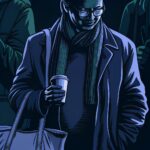
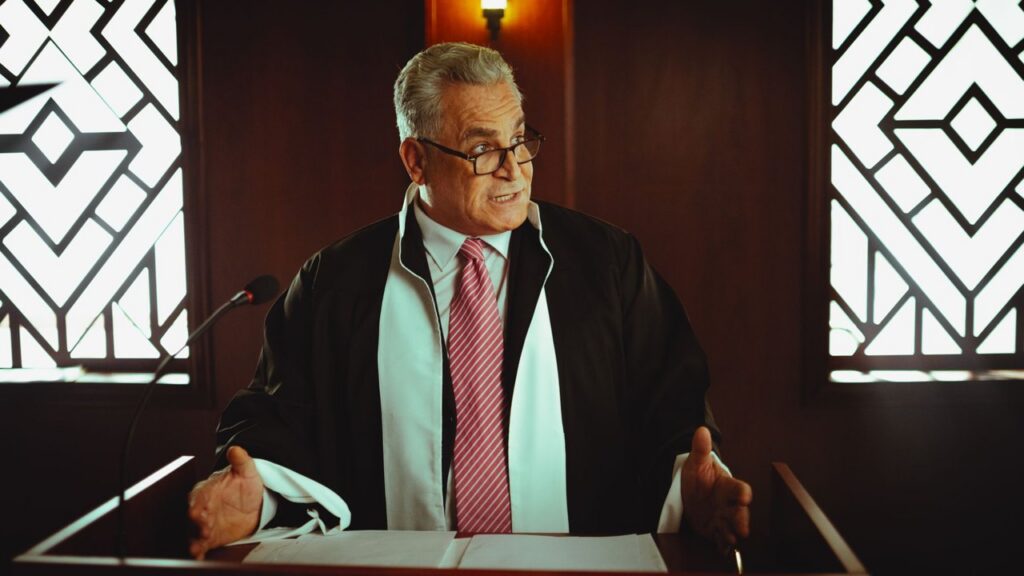
There is a certain species of online speculation that treats the absence of evidence as the presence of a deeper truth, and nowhere does it flourish more vigorously than in the gap between what happens in a courtroom and what the public understands about what happens in a courtroom. A conspiracy theory currently circulating on social media asks, with the rhetorical confidence of someone who has never read a criminal procedure syllabus, why Tyler Robinson’s defense attorneys have not simply declared their client innocent if, in fact, Israel killed Charlie Kirk. The premise is that the defense’s silence on innocence is itself proof of a cover-up. The premise is, to put it in terms the academy might recognize, catastrophically undertheorized.
What is actually happening in a Provo courtroom is considerably more mundane and considerably more interesting. Robinson, charged with aggravated murder in the September shooting of the conservative activist at Utah Valley University, has not entered a plea. His attorneys have not commented on his guilt or innocence. This is not suspicious. It is, in fact, the single most predictable feature of a preliminary hearing in the American adversarial system, where the defense’s sole obligation at this stage is to test whether the prosecution can meet its burden of probable cause. Proclaiming innocence is theater. Cross-examining an FBI DNA analyst about her methodology is law.
 CCTV (Public domain) via Wikimedia Commons
And that is precisely what Robinson’s team has been doing. Defense attorney Michael Burt spent Tuesday pressing FBI analyst Amanda Bakker on the techniques used to connect Robinson to a bolt-action rifle found wrapped in a towel near the shooting site, concluding that she “can’t match Mr. Robinson to the questioned samples.” Deputy Utah County Attorney Ryan McBride countered that reliability is a question for trial, not for a preliminary hearing. Both lawyers are performing their institutional roles with the mechanical precision the system demands and the system rarely rewards with clarity.
The more revealing development came in a filing late Tuesday, when Robinson’s attorneys argued he should not face the death penalty because the bullet that killed Kirk “traveled above, not through, the crowd” of several thousand people. The shooter “hit the intended target,” they wrote, and “there were no threats to others.” Whether the shooting endangered bystanders is the legally dispositive question: Utah law makes murder a capital crime when others are placed at risk, and prosecutors have cited the crowd as an aggravating factor. The defense, in other words, is not arguing that Robinson didn’t do it. The defense is arguing that he did it too precisely to qualify for execution.
This is not a contradiction. It is a strategy. And it is the kind of strategy that only makes sense if you understand that a criminal defense attorney’s job is not to narrate the truth but to manage consequences within a statutory framework. The conspiracy frame demands that silence equal complicity. The legal frame understands that silence equals prudence.
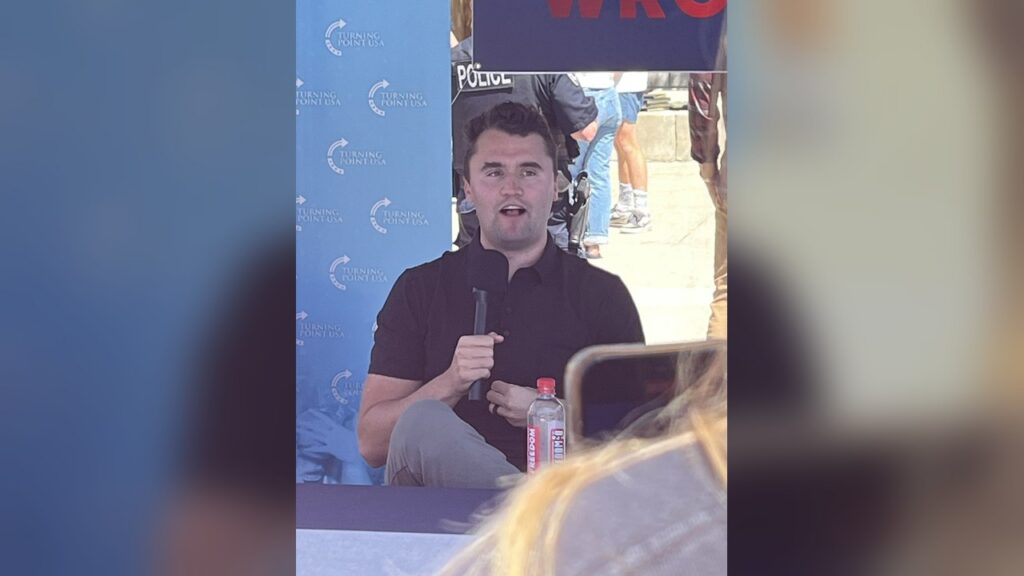 Shoot for the Stars (CC BY-SA 4.0) via Wikimedia Commons
Prosecutors, for their part, have presented what they call “overwhelming” evidence: DNA on the towel matched to Robinson and his roommate Lance Twiggs, surveillance video showing Robinson climbing onto a rooftop overlooking Kirk’s event, and an alleged confession in a note to Twiggs reading, “I had the opportunity to take out Charlie Kirk and I’m going to take it.” They also allege Robinson told Twiggs he killed Kirk because he “had enough of his hatred,” though the defense notes that searches of Robinson’s apartment, computer, and phone produced nothing beyond that single statement to establish motive.
Legal experts told the AP the unusually slow pace of the hearing reflects Judge Tony Graf’s caution, the volume of evidence, and an explicit desire to disprove conspiracy theories around the case. One might say the court is doing the work that the internet refuses to do for itself.
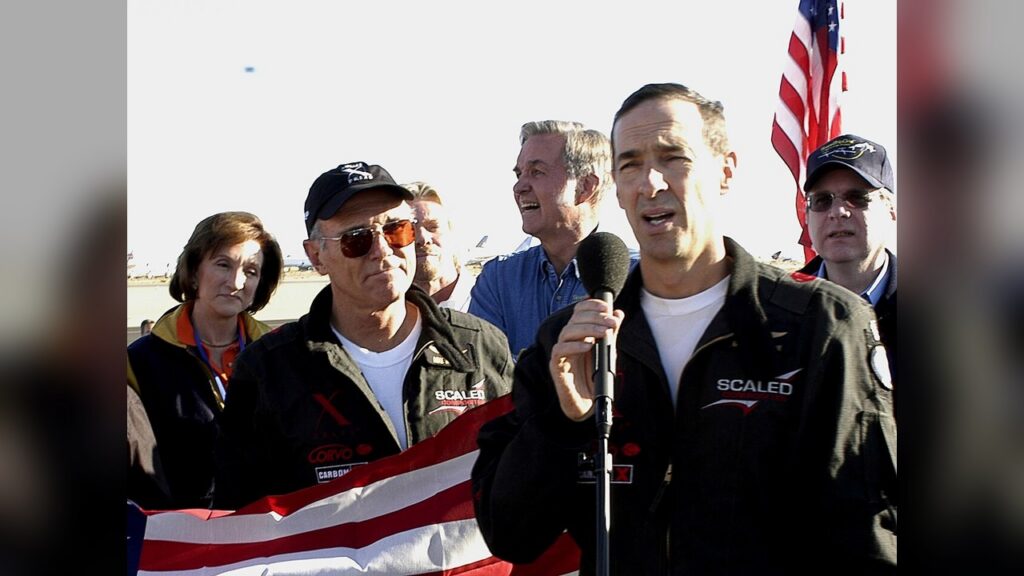 Don Ramey Logan (CC BY-SA 3.0) via Wikimedia Commons
The irony, of course, is that the more carefully the institution behaves, the more suspicious it becomes to those who have already decided that careful behavior is itself the tell. This is the epistemological trap of conspiracism: every act of institutional competence is recoded as evidence of cover-up, and every act of institutional failure is recoded as evidence of the same. The system cannot win. The system, fortunately, does not require the internet’s permission to proceed.
Closing arguments are scheduled for September 1.