


The Bureau of Labor Statistics dropped its July inflation numbers Wednesday, and the experts are practically throwing a parade. Inflation “fell” to 3.4 percent. One-tenth of a percentage point. Stop the presses. Break out the confetti.
Funny how a number that still means you’re paying more than you did a year ago gets sold as good news. The monthly CPI rose 0.1 percent. That’s not prices falling. That’s prices rising slightly slower. But the headline says “fell,” and the administration gets to trumpet progress, and the Fed gets to pretend it has options. Ask yourself who benefits from that framing.
 Towfiqu barbhuiya / Pexels
Here’s what the Bureau of Labor Statistics actually reported. Annual inflation is 3.4 percent. The Fed’s target is 2 percent. That’s not close. That’s not “easing.” That’s a 70 percent overshoot of their own stated goal, and we’re supposed to be grateful the trajectory bent a fraction of a degree.
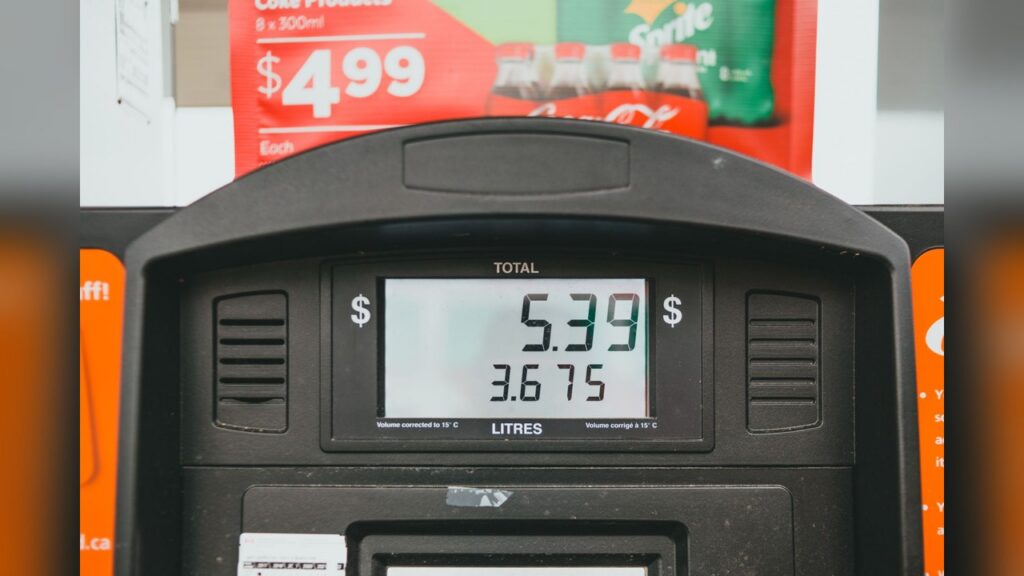
Core inflation, the number they use to strip out food and energy so the headline looks better, eased to 2.5 percent. Notice the trick. The “core” measure conveniently removes the two things every American touches every single day. Gas and groceries. Gasoline prices did drop 2.9 percent in July, which sounds great until you remember they’re still up 24.6 percent year over year. Fuel oil is up 39.1 percent. But sure, let’s celebrate the monthly dip.
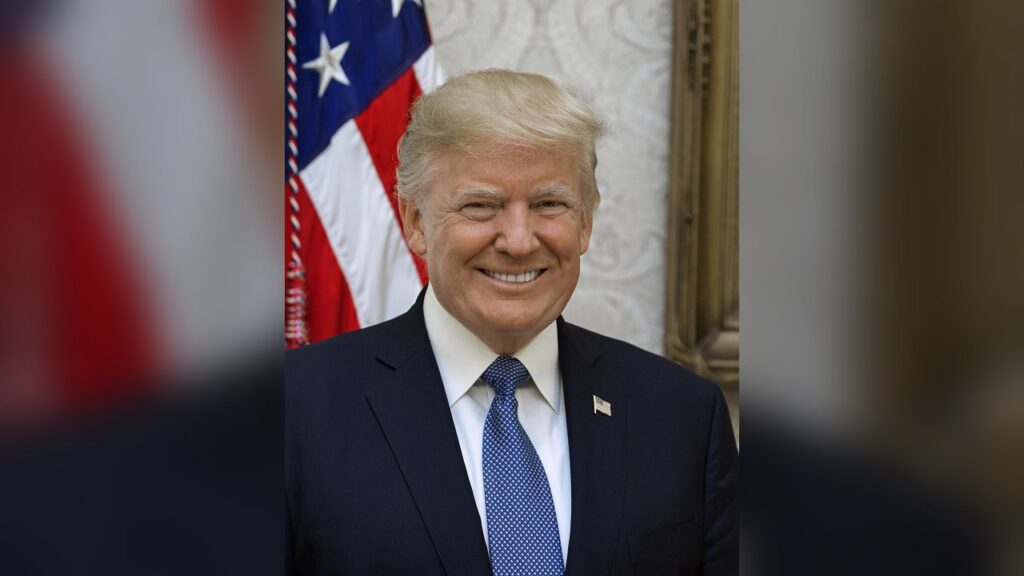
The Washington Examiner notes this is “welcome news for the Trump administration,” which has been “working to highlight any progress in curbing inflation.” Working to highlight it. Not working to fix it. Highlight it. There’s your tell. The priority is the optics, not the checkout counter.
 Shealeah Craighead (Public domain) via Wikimedia Commons
And let’s talk about why energy prices are even part of this conversation. The Examiner’s own reporting traces the inflation bump to “higher energy prices, which have soared since the Iran war.” A war this administration stumbled into, and now we’re supposed to cheer because the prices it sent skyrocketing have come down slightly from their post-war peak. You set the house on fire and then want credit for the flames getting smaller.
Meanwhile, the jobs picture is darkening. The latest report marked the first negative jobs print since February. A trend of increasingly weak reports since a March peak. So the economy is simultaneously running too hot for the Fed’s comfort on prices and too cold for anyone’s comfort on employment. The experts’ solution? Rate hikes. The Washington Examiner reports that “some experts and Fed watchers” say the labor market “is not dire enough for the Fed to avoid rate hikes.” Translation: working people haven’t suffered enough yet to change the central bank’s mind.
The Fed has held rates steady at five consecutive meetings. January, March, April, June, July. Now they’re teeing up mid-September, and every inflation and jobs report between now and then gets scrutinized for the excuse to tighten the screws again. Higher rates mean higher mortgage payments, higher credit card interest, higher borrowing costs for the small businesses that employ most of this country. The little guy pays. Every time.
 Sara Hassan of Al Jazeera English (CC BY-SA 2.0) via Wikimedia Commons
Trump’s economic approval ratings have cratered since he took office, and the Examiner openly admits inflation “threatens to imperil Republican prospects in this year’s midterm elections.” So now you have an administration desperate for good headlines, a central bank itching to raise rates on an already softening labor market, and a press corps that calls 3.4 percent a victory.
The establishment reads one number, declares progress, and moves on. You read your receipt. That’s the only inflation report that matters, and it doesn’t match theirs.