


So the man who ran China’s economy while I was busy raising toddlers and packing lunchboxes has died, and I’ve got a question. Actually, I’ve got several.
Zhu Rongji passed away Tuesday in Beijing at 97. He was China’s premier from 1998 to 2003, which, for those of you keeping score at home, is the same window when American factories were shutting down faster than you could say “free trade” and every other thing in my house started coming with a “Made in China” sticker on it. But you go ahead and pour one out, like the headlines are telling you to.
Here’s what I find rich. The New York Times obituary calls him the premier who “pushed China to a market economy.” Meanwhile, over on the socialist forums, they’re memorializing him as a “loyal communist fighter and outstanding proletarian revolutionary.” So which is it, folks? Because in my house, you can’t be the champion of the free market and a proletarian revolutionary at the same time. That’s not how any of this works. But the media and the online activists don’t care about consistency. They care about narrative.
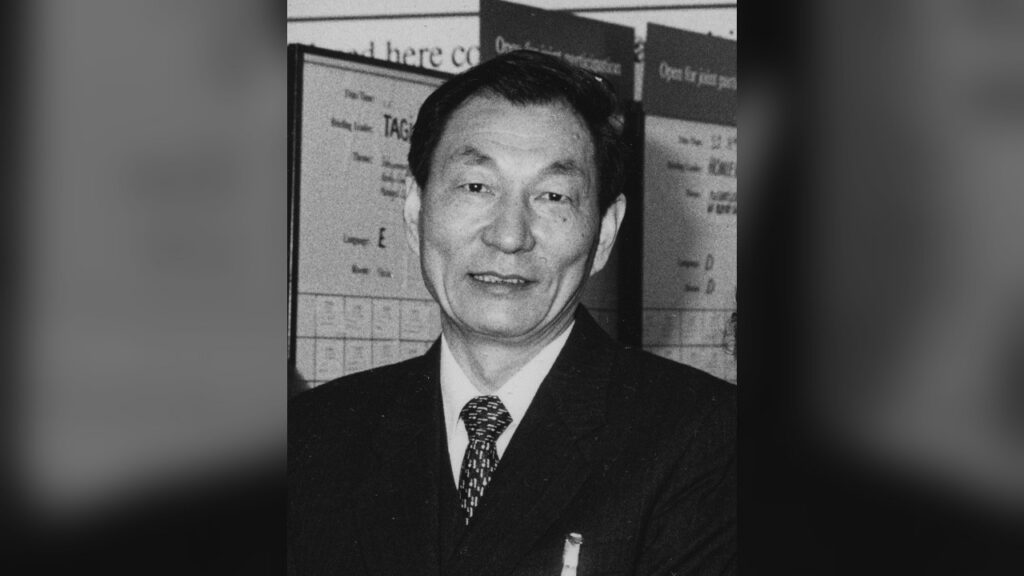 World Economic Forum from Cologny, Switzerland (CC BY-SA 2.0) via Wikimedia Commons
Let me tell you what I found when I did my own research, because somebody has to. Zhu was born in 1928 in Changsha to a family of wealthy landowners. His family tradition claims descent from the first emperor of the Ming dynasty. So much for “proletarian.” He joined the Communist Party in 1949, got labeled a “rightist” by Mao in 1958 for daring to criticize irrational economic policies, was expelled from the Party, and spent years at a cadre school raising pigs and hauling human waste. Then he got rehabilitated, climbed back up the ladder, and eventually became the guy who oversaw double-digit growth by opening China’s economy to the very kind of market forces that Mao would have had him shot for suggesting.
And here’s the part that really gets me. The same American press that spent the last decade lecturing parents like me about “misinformation” and “democracy” is now publishing respectful obituaries for a man who spent his entire career inside a one-party authoritarian system. No elections. No free press. No dissent. Zhu was a member of the Politburo Standing Committee, the most powerful inner circle of a government that doesn’t ask its citizens for permission to do anything. But sure, let’s call him a “pragmatic reformer” and move on.
I’ll tell you what “pragmatic” means in plain English. It means he figured out that you can keep all the political control and still get rich by selling cheap goods to the rest of the world. That’s not reform. That’s a business plan. And while he was executing it, American politicians of both parties stood by and cheered, telling us it would be good for us. I’ve got a garage full of broken Chinese-made electronics that say otherwise.
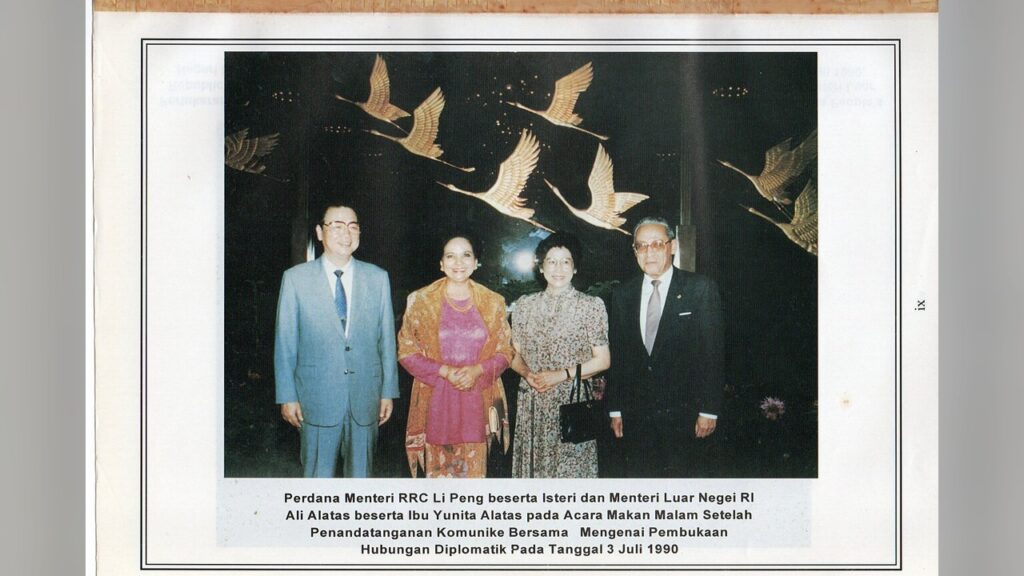 Embassy of Indonesia in Beijing (Public domain) via Wikimedia Commons
Zhu retired in 2003 and vanished from public life. He was more popular than his predecessor Li Peng, the man most associated with the Tiananmen Square crackdown. That’s the bar they’re clearing over there. “Better than the guy who sent tanks after students.” Quite a legacy.
He was succeeded by Wen Jiabao, and the machine kept right on running. No vote required. No consent needed. Just the same Politburo picking the next name off the list while the West applauds the “smooth transition.”
So no, I won’t be pouring one out. I’ll be pouring my morning coffee and reading past the headline, like I always do. Because when the socialists and the neoliberals are both crying over the same man, that’s not a tribute. That’s a tell.
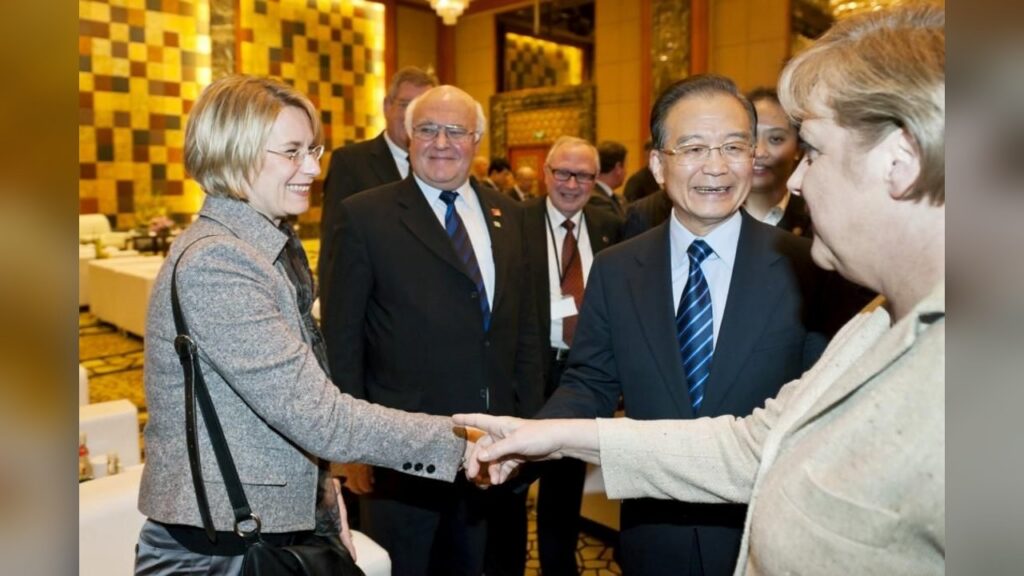 Strassburger Filter (CC BY-SA 3.0 de) via Wikimedia Commons