


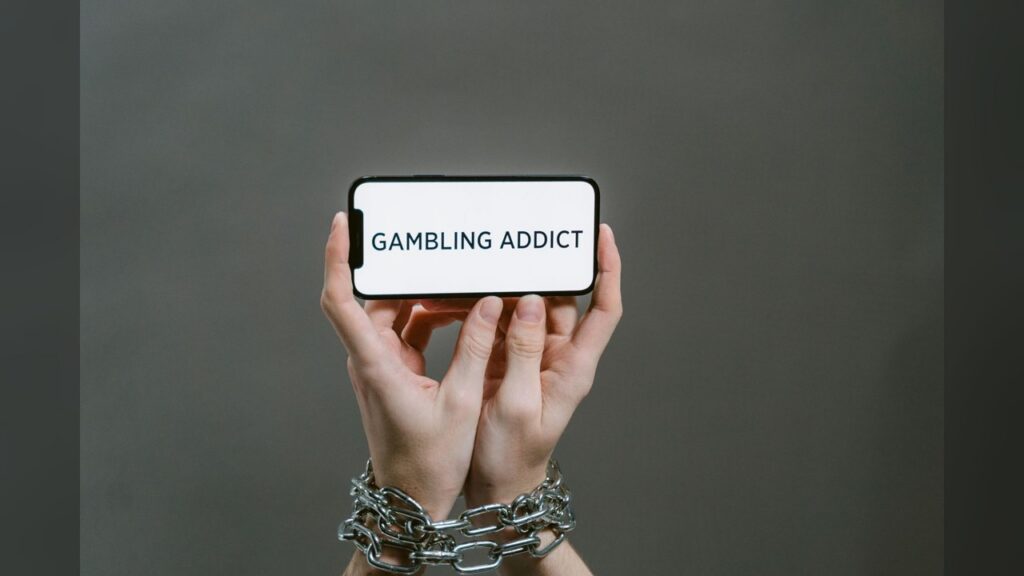
Funny how it works. Wages stagnate, groceries cost what a car payment used to, and 70 percent of middle-income Americans can’t keep up with inflation. So what does the establishment offer the little guy in return? A sports betting app and a parlay slip.
Americans wagered $166 billion on sports in 2025. They lost $16 billion of it. That is more than the entire movie, music, book, and museum industries combined generated in revenue. Let that sink in. The country that once built things now spends twice as much guessing whether the Cowboys cover as it does on every concert, film, novel, and museum exhibit put together. Eight years ago, legal sports gambling was a $6.6 billion business. Now it’s twenty times that. And nobody in power thinks that’s a problem worth mentioning.
Ask yourself who benefits.
 Sandro Halank, Wikimedia Commons (CC BY-SA 4.0) via Wikimedia Commons
The 2026 World Cup alone pulled in over $50 billion in global wagers. DraftKings saw a 650 percent jump in bets over the 2022 tournament. BetMGM jumped 211 percent. Caesars Sportsbook told ESPN the World Cup produced 30 percent more bets than the men’s and women’s NCAA basketball tournaments combined. This was the first World Cup ever played where mobile sports betting was legal for most of the American population, and the industry milked every cent out of that timing.
Meanwhile, the sportsbooks are rigging the product against you. They’ve made parlays, those chained-together bets where one wrong pick sinks the whole slip, their default offering. The product is getting worse for the customer, and the customer keeps wagering more anyway. That’s not entertainment. That’s a vacuum cleaner hooked up to your bank account.
A study of 230,000 Americans from 2018 to 2023 found that betting activity crowds out real financial investment. Money that would have gone into brokerage accounts, into savings, into something productive, gets sucked into the app instead. The researchers had a natural experiment because states legalized at different rates, with non-gambling states as a control group. The result? More than quadrupling of play in states that legalized. The house didn’t just open the door. It built the door, painted it, and stationed a barker outside.
 Rhododendrites (CC BY-SA 4.0) via Wikimedia Commons
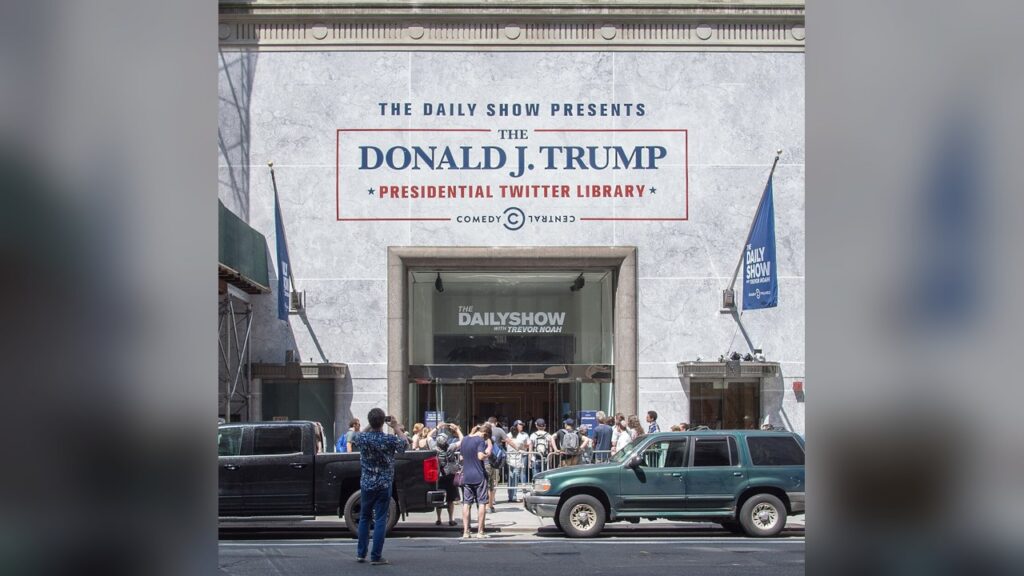
And here’s where it gets really cozy. Prediction markets like Polymarket and Kalshi claim they’re not gambling operators. They offer “event derivatives,” they say, overseen by the CFTC rather than state regulators. That neat little distinction lets them operate in Utah and Hawaii, places where gambling has been illegal for decades. More than a dozen lawsuits are challenging that interpretation, but don’t hold your breath.
Donald Trump Jr. has deep ties to the two biggest prediction market companies. President Trump himself has called it “critically important” that the CFTC maintain “exclusive authority” over prediction markets rather than states. “It is a major Industry,” he said, “and we must protect it.” Protect it from whom, exactly? From you having any say in it. From state regulators who might actually look at what’s happening. The same administration that rode populist rage into office is now shielding a speculative casino that operates above state law.
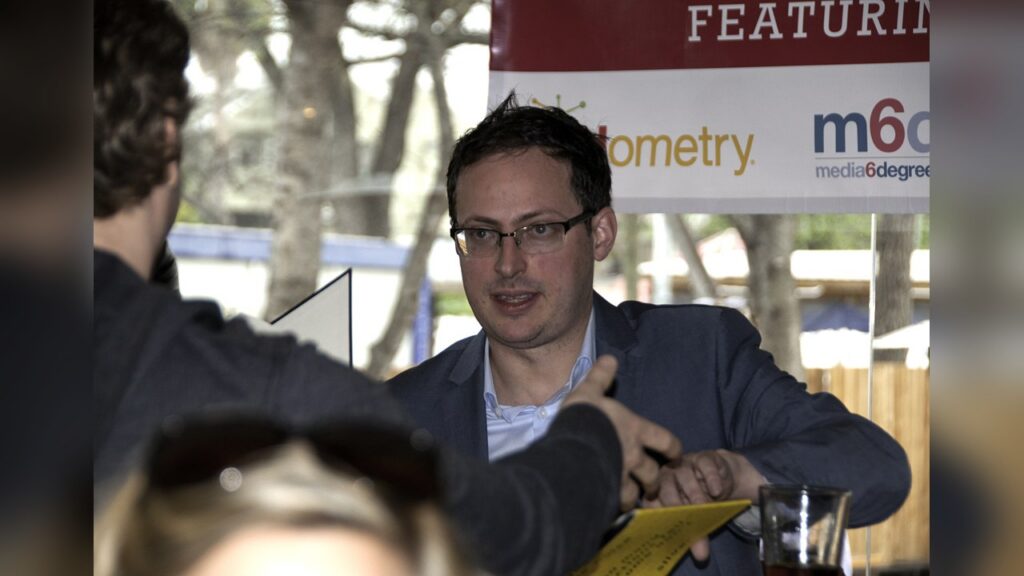
Nate Silver, the election forecaster who built FiveThirtyEight, got hired by Polymarket this summer. Silver bet almost $2 million on the NBA during the 2022-23 season and wrote a whole book about how the gambler’s mindset defines modern life. The trading firm Susquehanna opened a sports betting desk. Wall Street and the sportsbook are now the same building with different signage.
 Jack Newton (CC BY-SA 2.0) via Wikimedia Commons
The prediction market volume went from under $5 billion a month in September 2025 to $24 billion by April 2026. One consulting firm estimates U.S. activity on offshore prediction markets could hit $133 billion annually by 2030. The swamp doesn’t drain itself. It just finds new pipes.
The economy rots, the wages stagnate, and the experts wonder why people are betting their rent money on whether a kicker misses a field goal. They don’t wonder very hard, though. The answer is too profitable.