


Let me tell you something. I moved twice in the last four years. Between soccer carpools, a job change, and trying to find a school district that doesn’t treat my kids like data points, updating my voter registration address was not exactly at the top of my to-do list. Turns out, that makes me exactly the kind of person the state of Texas decided to put on a list. A list I had never heard of. A list with a name straight out of a spy movie.
They call it the “suspense list.”
More than 1.2 million Texas voters are on it right now, three months before a midterm election. That is over 6% of the 18 million registered voters in this state. One in sixteen of us. The secretary of state’s office confirmed those numbers, so this is not some conspiracy theory I cooked up in the group chat. This is their own paperwork.
 Sora Shimazaki / Pexels
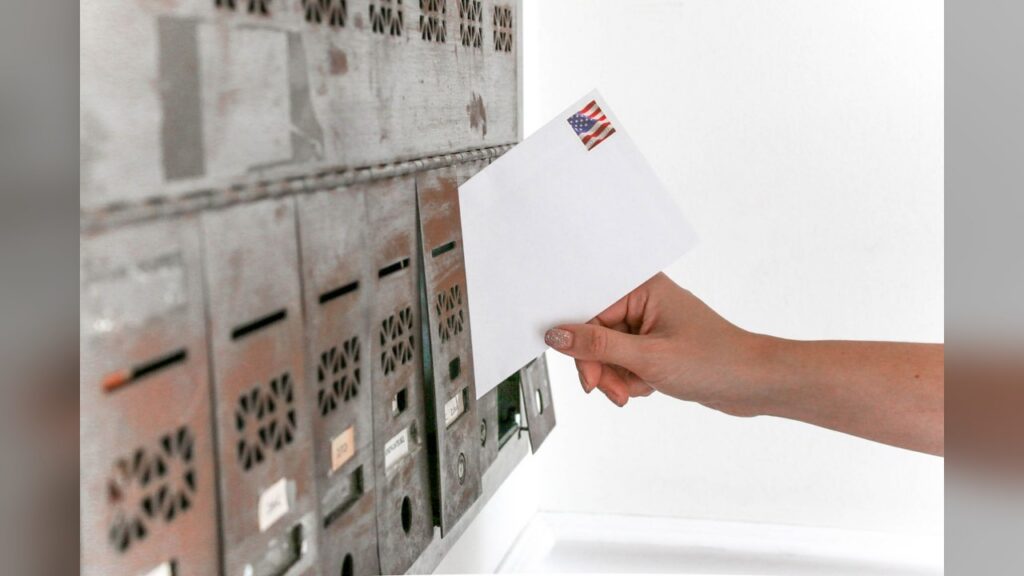
Here is how you get on the list. The county sends you a voter registration card or a jury summons. The mail comes back undeliverable. Maybe you moved. Maybe the post office messed up. Maybe the apartment office put it in the wrong box. Doesn’t matter. You’re suspended. No phone call. No email. No text. Just silence, and then one day you show up to vote and a volunteer hands you a form instead of a ballot.
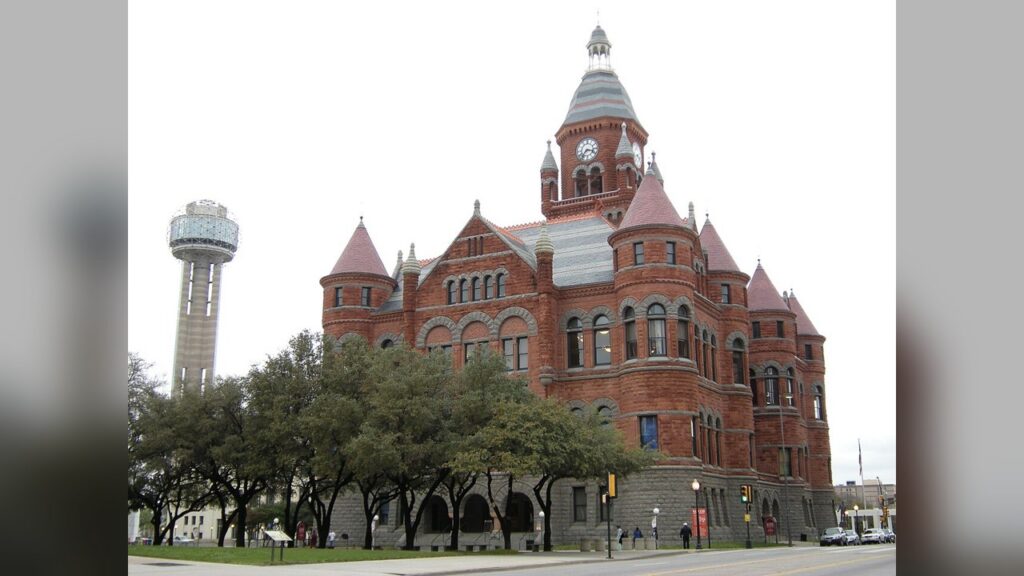
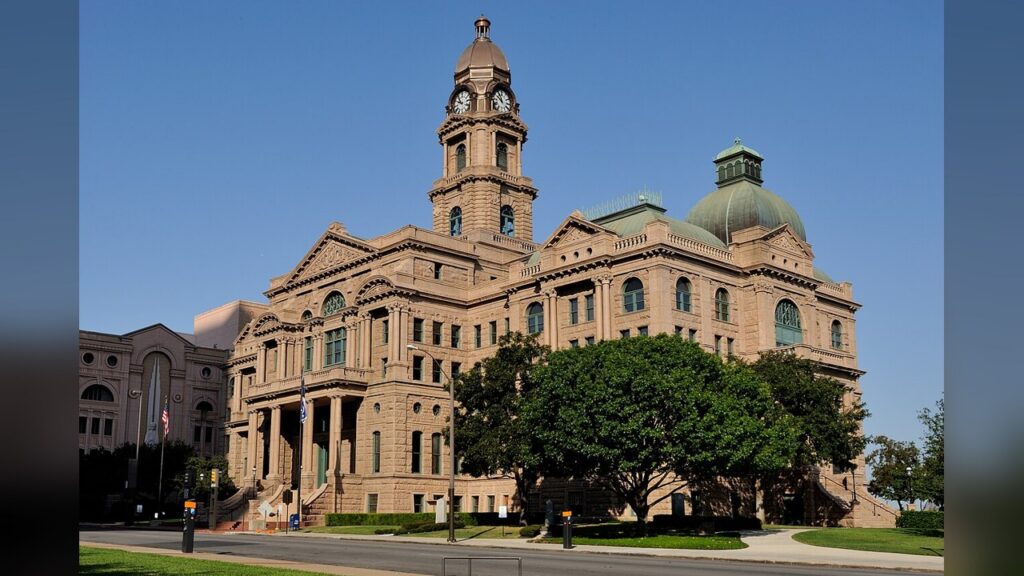
In Dallas County alone, more than 129,000 people are on this list. Tarrant County has over 73,000. Collin and Denton each have nearly 56,000. Those are not rounding errors. Those are entire cities worth of people who the state has quietly decided might not belong on the rolls.
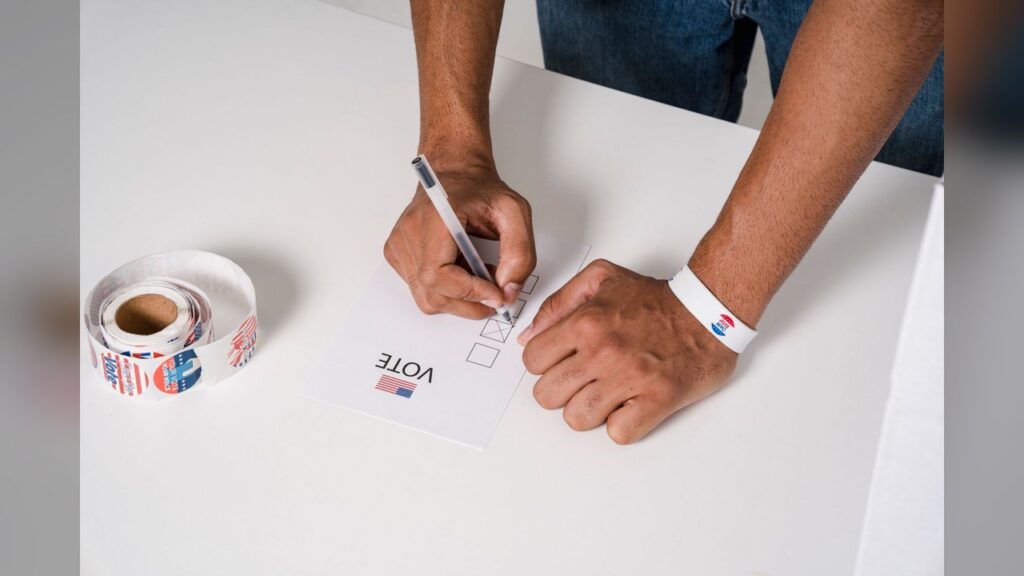
Now the official line is: don’t worry, you can still vote. You just have to fill out a “statement of residence” form at the polling place. A couple extra steps, they say. Easy!
 Joe Mabel (CC BY-SA 3.0) via Wikimedia Commons
Let me ask you something. When was the last time a government program that required “a couple extra steps” actually went smoothly for you? I have spent forty-five minutes on hold with the DMV trying to straighten out a title transfer. I have filled out school enrollment forms in triplicate only to be told I needed a different form. And now I’m supposed to trust that showing up to vote with a suspended status will be no big deal?
And here is the part that really got me. If you stay on this list for two general elections, about four years, they don’t just suspend you. They remove you from the voter rolls entirely. Gone. You have to start over. So if you’re someone who only votes in presidential years, which is a lot of perfectly good Americans, you could miss one cycle, miss the next, and wake up unregistered in the land of the free.
The deadline to fix this is October 5. You can update your address on the state’s website. You need your driver’s license or ID, your Social Security number, and your Voter Unique Identifier Number. Yes, they gave your voter registration a number with an acronym. VUID. Because nothing says “we want you to participate” like a six-step process with a secret code.
 Mark Fisher (CC BY-SA 3.0) via Wikimedia Commons
I checked my status this morning. I’m clear. But I have four kids, a full-time job, and a memory like a sieve on a good day. If I can forget to update my address, so can your mother, your neighbor, your kid’s teacher, the nurse who works the night shift and barely has time to sleep let alone track her voter registration status.
The state says this is just routine maintenance. Returned mail, updated addresses, standard procedure. And maybe some of it is. But 1.2 million people is not a rounding error. It is a strategy, whether they planned it that way or not. And the fact that almost nobody is talking about it tells you everything you need to know about who they think is paying attention.
Check your status. Tell your friends. Tell the group chat. Because the only thing suspended around here should be my disbelief.