



The strategic logic here is elegant in the way that only well-funded litigation can be. You file a defamation complaint demanding $10 billion in damages, a figure so audacious it functions less as a legal claim than as a declaration of total war. You allege harm to both your personal reputation and your business empire, because the broader the claim, the grander the damages. Then, when the defendant does what defendants do in discovery, namely demand the financial records that would let them test whether you actually suffered $10 billion in business losses, you narrow the claim. You drop the business harm allegations entirely. You tell the court you only meant your feelings were hurt. And just like that, the subpoena for the tax returns, the valuations of 400-odd companies held in your revocable trust, the entire financial anatomy of your empire becomes, as your lawyers will now argue, irrelevant to a case about reputation alone.
Judge Roy K. Altman, to his credit, saw some of this clearly. He noted in Monday’s ruling that the amended complaint “represents a substantial diminution in the scope of the available damages” and that it will, “in some respects, help the BBC.” He even acknowledged that what remains subject to discovery is a question for the magistrate judge. But the structural damage is already done. The temporary pause on the financial-records order, the narrowing of the complaint, the months of procedural maneuvering: these are not bugs in the system. They are the system working exactly as designed for someone who can afford to operate it.
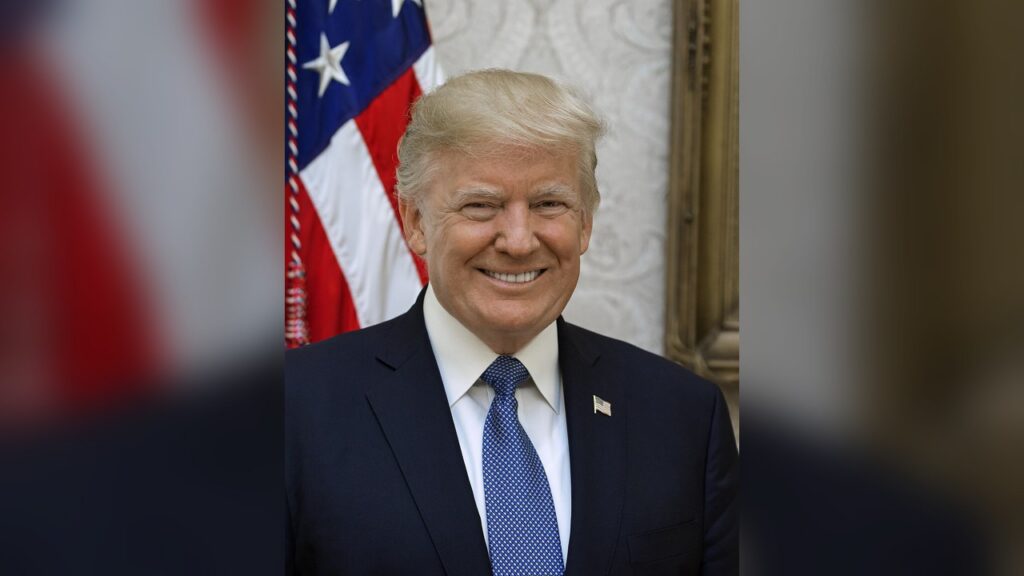 Shealeah Craighead (Public domain) via Wikimedia Commons
The BBC, it should be said, is not without fault here. The documentary “Trump: A Second Chance” did edit his January 6, 2021 speech in a manner that spliced together remarks made more than 50 minutes apart, creating the impression of a direct call to violence. The broadcaster apologized, calling it a “mistaken impression.” That was a genuine editorial failure, and it provided the legal foothold for everything that followed. But an apology for an editing error is not the same as a $10 billion injury, and the distance between those two things is where the architecture of this lawsuit becomes visible.
The BBC’s attorney, Chuck Tobin, made the argument that any honest observer would recognize: Trump “ran for president of the United States on a platform of the art of the deal.” You cannot separate the man and his reputation from his businesses. The brand is the business. The business is the brand. Which is precisely why narrowing the claim to exclude business harm is so transparently strategic. If reputation and business are inseparable, as Trump’s own career demonstrates, then excising one from the lawsuit has nothing to do with legal precision and everything to do with keeping the trust’s records behind a wall.
 Rosemary Ketchum / Pexels
And this is not an isolated maneuver. It is part of a pattern with its own internal grammar. The $10 billion lawsuit against the Wall Street Journal over an Epstein-related letter. The Justice Department subpoenas issued to New York Times journalists and then quietly withdrawn. Each action, taken individually, can be defended on its own narrow terms. Taken together, they describe a system in which litigation functions not as a remedy for defamation but as a cost imposed on coverage. The goal is not to win $10 billion. The goal is to make the next editor think twice before airing the next documentary.
What we are watching is not a scandal. It is a structure. And structures do not resolve themselves through individual rulings, however careful. They persist until the cost of operating them becomes greater than the cost of dismantling them. We are not there yet.