


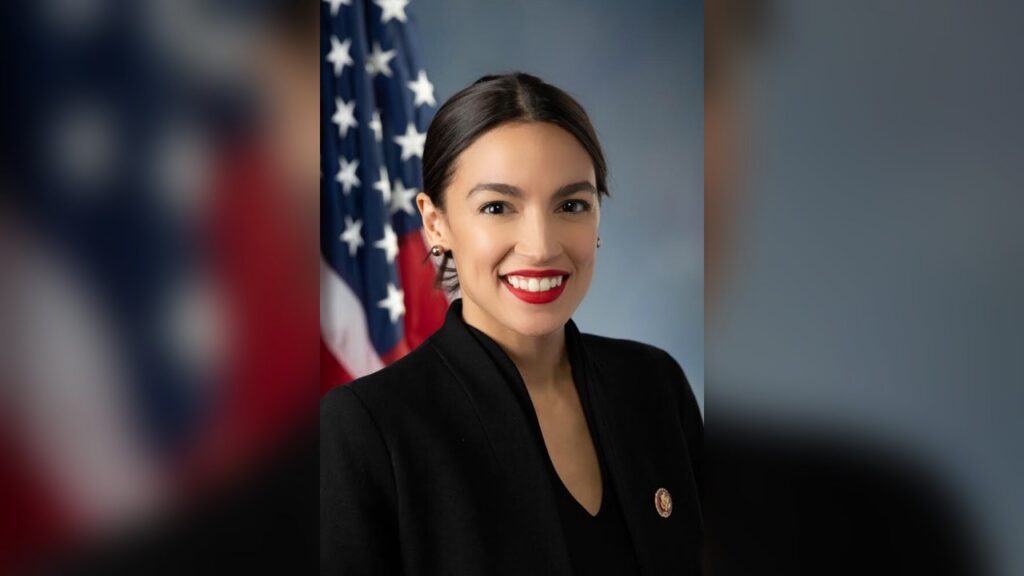
There is a particular satisfaction, available only to those of us who have spent careers studying how institutions absorb their challengers, in watching Alexandria Ocasio-Cortez sit across from Jonathan Karl on ABC’s “This Week” and declare, with a chuckle, that “Woke 1 was crazy.”
The phrase, borrowed from New York City Council Member Chi Ossé, is doing a lot of work. It is a confession dressed as a joke. It is also the most honest thing Ocasio-Cortez has said on television in years.
Let us be precise about what happened. During the pandemic, the Overton window, as she herself put it, swung wide open. In that vacuum of normalcy, a set of maximalist positions took hold with remarkable speed: defund the police, abolish ICE, abolish prisons, and in the case of Wisconsin gubernatorial candidate Francesca Hong, apparently abolish Thanksgiving.
Ocasio-Cortez was not a bystander to this. She criticized New York City’s $1 billion NYPD budget cut in June 2020 for not going far enough. She called for a “real conversation” about abolishing prisons in 2019. She labeled migrant detention facilities “concentration camps.” She voted “present” on Iron Dome funding after pressure from progressive activists.
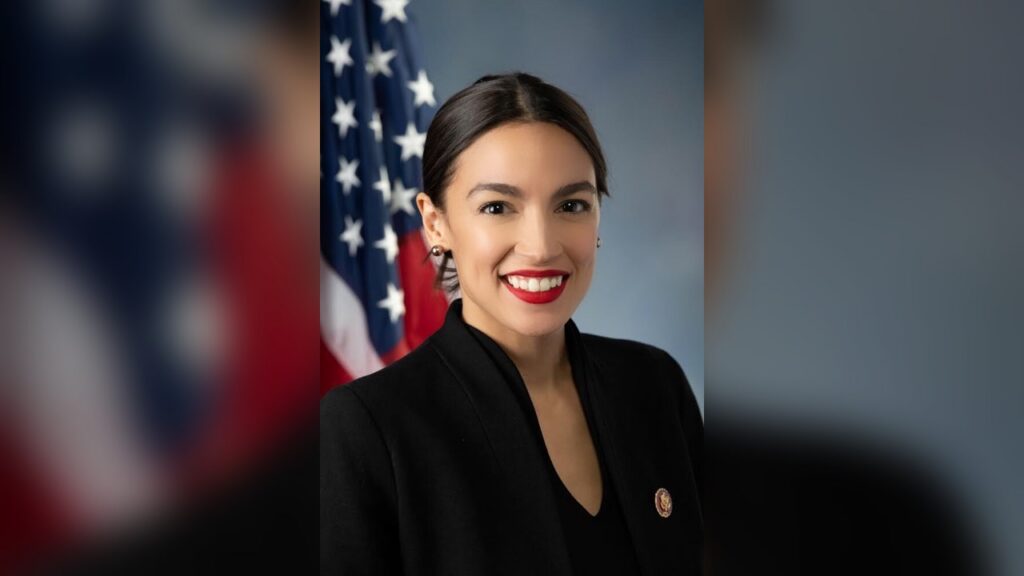 US House Office of Photography (Public domain) via Wikimedia Commons
Now she frames all of this as a kind of collective lockdown fever. “Rhetoric in that time is not rhetoric we would use today,” she told Karl. Hong, she noted charitably, had “moved away” from her old stances. She did not endorse Hong.
Here is where the analysis requires some patience.
What we are watching is not a sellout. It is not a betrayal. It is the structural process that every insurgent movement encounters when it achieves proximity to institutional power. The literature on this is extensive. Robert Michels described it more than a century ago in his “iron law of oligarchy”: organizations, regardless of their founding radicalism, tend toward oligarchical control as they grow. The activist becomes the operative. The outsider becomes the caucus member. The person who once said “in any other country, Joe Biden and I would not be in the same party” endorses Joe Biden, campaigns for Democratic incumbents against primary challengers, and works closely with Hakeem Jeffries.
Ocasio-Cortez has voted for major foreign assistance packages including military aid to Ukraine. She endorsed Biden and Harris in 2024. She is, by any reasonable measure, now a reliable team player for the Democratic leadership she once defined herself against.
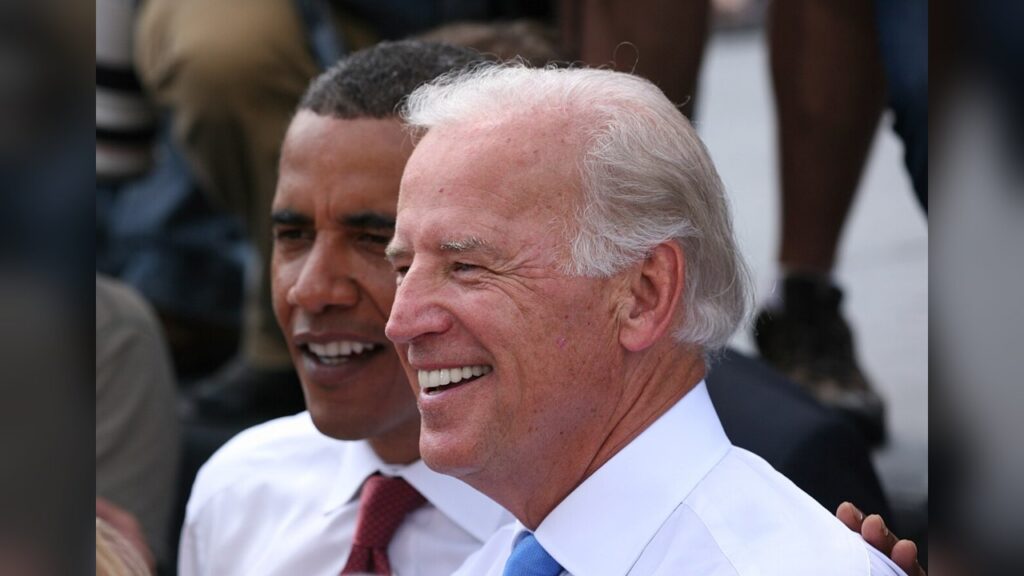 Daniel Schwen (CC BY-SA 4.0) via Wikimedia Commons
The interesting question is not whether this constitutes hypocrisy. It does not, or at least it is no more hypocrisy than any other structural adaptation. The interesting question is what the progressive movement expected. When you build your politics around a window that only opens during a once-in-a-century crisis, you should not be surprised when the window closes and the room returns to its normal temperature.
Ocasio-Cortez, to her credit, seems to understand this. Her “time of renewal” framing, her endorsement of Abdul El-Sayed over the centrist Haley Stevens in Michigan, her careful refusal to touch the Hong campaign. These are the moves of someone who has read the terrain and concluded that the path forward runs through the party apparatus, not against it.
She has not ruled out a 2028 presidential run. A University of New Hampshire poll has her leading the Democratic field at 22 percent, ahead of Pete Buttigieg. The person who once voted “present” on Iron Dome funding is now, apparently, calculating her electability.
This is what institutions do. They do not destroy their challengers. They digest them. And the digested challenger, once absorbed, begins to sound remarkably like the institution that consumed her. “Woke 1 was crazy” is not a punchline. It is a structural inevitability wearing a smile.