



Let me tell you something. When one of my kids gets sent to the principal’s office, the first thing I want to know is what happened. I want to talk to the teacher. I want to see the situation with my own eyes. I don’t care how busy the principal is. I don’t care if the school has a policy. I am the parent, and I have a right to know what’s going on with my child.
Now imagine the principal locks the door, hires a private security company, and rewrites the school handbook overnight to say your state’s laws don’t apply inside the building. That’s what ICE just did. And I am supposed to believe this is fine because they put it in a contract.
Here’s what happened, and I did my homework on this. A federal judge named Benjamin Settle in Washington state ruled that ICE’s private detention center in Tacoma, run by a company called GEO Group, had to let state health inspectors inside. This wasn’t a snap decision. Washington spent three years fighting for this. State health officials were turned away ten separate times. There were 3,500 complaints from detainees. Two people have died at that facility since 2024. The judge looked at all of it and said a contract cannot override state law. Plain English. A piece of paper signed by a private company doesn’t make your state’s health inspectors disappear.
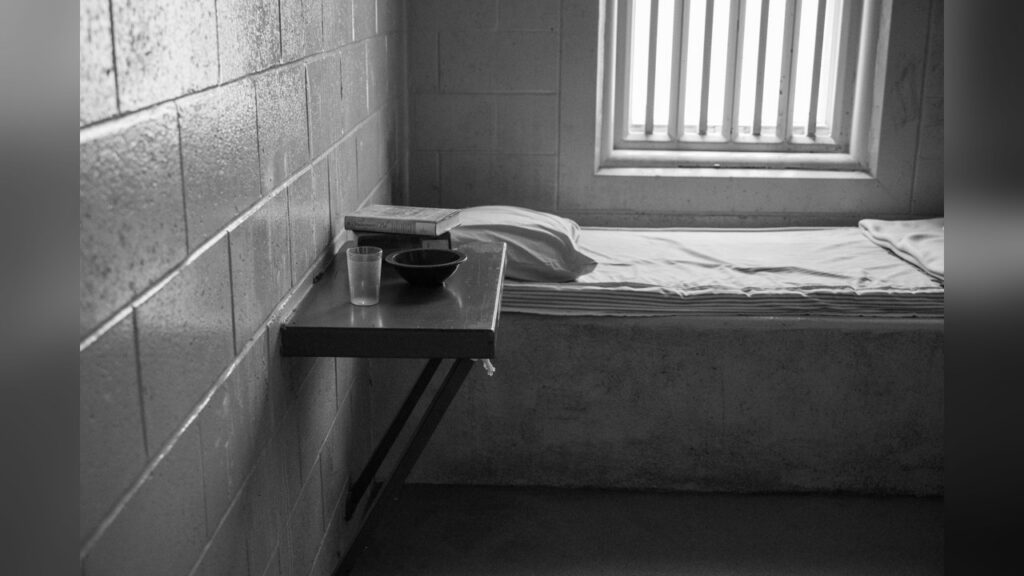 Héctor Berganza / Pexels
So what did ICE do the very next morning? They published new draft contract terms for 5,500 detention beds in four states that declare state and local laws “shall not apply” to the facilities. The same language Judge Settle had just thrown out. They pasted it right back in and slapped it on facilities in Colorado, Florida, and Pennsylvania too. They are daring every state to spend three years in court to get to the same doorstep Washington is still standing outside of.
And here’s the part that made me put my phone down and stare at the wall. The draft contract gives companies less than a week to respond and requires facilities to be housing detainees within 30 days of an award. You cannot build a detention center in 30 days. You can’t build a shed in 30 days in some of these states. The bed counts and locations match four facilities GEO already runs. This isn’t a competitive bidding process. It’s a ribbon on a gift for GEO Group.
Meanwhile in California, San Diego County officials were blocked from inspecting the Otay Mesa Detention Center. They sued. A federal judge ordered access in June. So what happened? CoreCivic, the company running it, sold the building and another facility to the federal government for $1.5 billion. Problem solved. You can’t inspect what the feds own, or at least that’s the theory they’re betting on. A DHS spokesperson blamed “sanctuary politicians” for making private prisons “financially infeasible.” You know what makes something financially infeasible? Accountability. Inspections. Basic human standards.
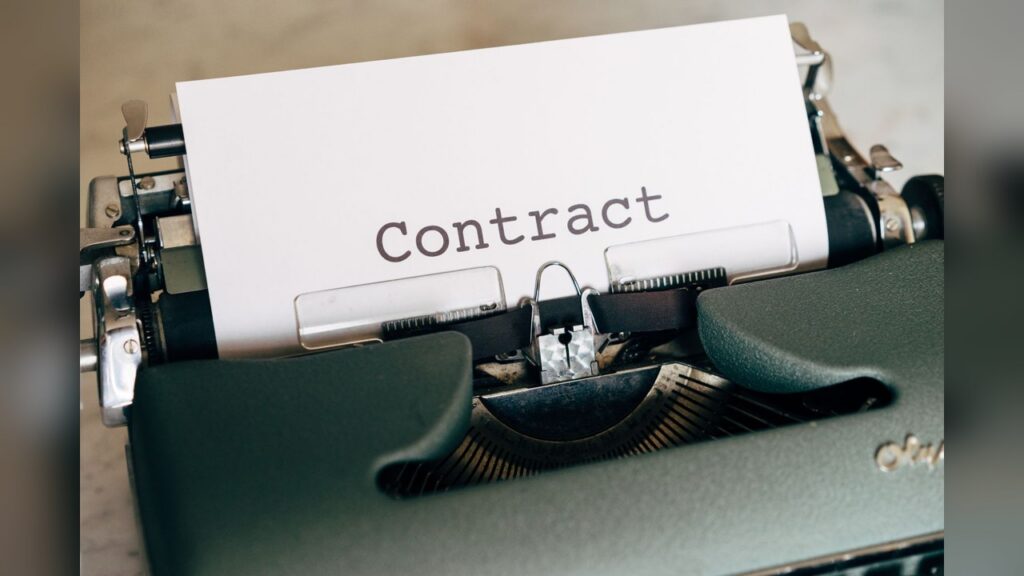 Markus Winkler / Pexels
ICE’s own inspectors found a detainee whose health assessment came 22 days late. Suicide-watch welfare checks running 14 hours apart when they’re supposed to be every eight. An allegation, now under internal investigation, that medical staff assaulted a detainee during a seizure. This is what ICE found checking on itself. Imagine what an outside inspector would find.
The new standards ICE issued in June cap detainee pay at $1 a day. One dollar. For “voluntary work.” They allow AI translation for “non-critical” communication with detainees. Facilities can operate indefinitely at 85 percent staffing, including medical staff. Congress handed ICE nearly $3 billion for detention in fiscal year 2021. More than 200 facilities. Private prison companies getting rich. Local governments taking kickbacks. And the people inside are getting $1 a day and suicide checks that don’t happen.
I have four kids. I have been to enough school board meetings to know what it looks like when somebody in charge doesn’t want you asking questions. It looks exactly like this. They rewrite the rules overnight, they lock the door, and they tell you it’s all in the paperwork. And they are counting on you being too busy or too tired to read it.
I read it.