


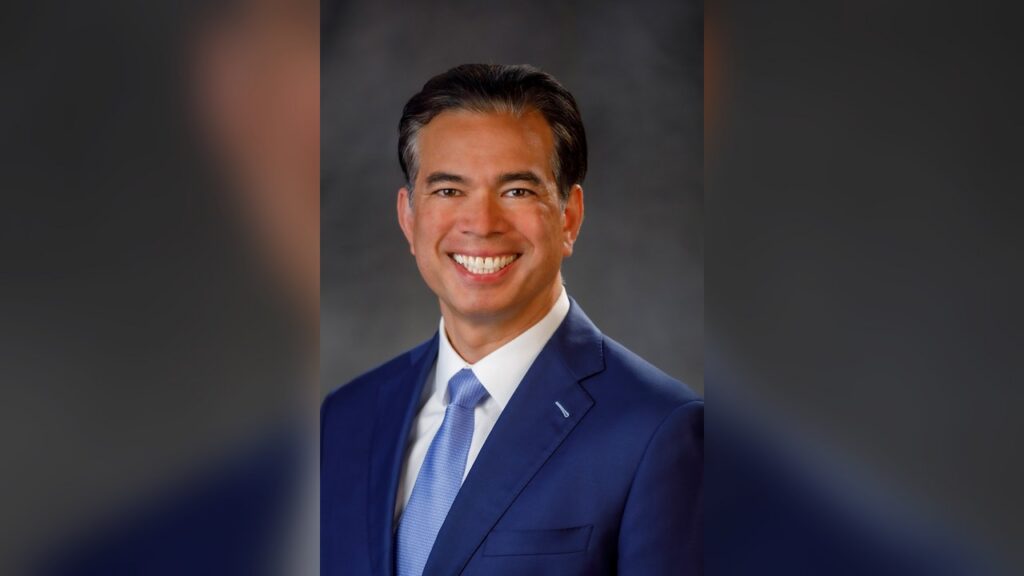
Let me tell you something. I have four kids, a minivan with 190,000 miles on it, and a nose for BS that I have sharpened over eighteen years of catching teenagers in lies about who broke the lamp. So when I see California Attorney General Rob Bonta filing a lawsuit to block a $110 billion Hollywood merger and then find out Netflix money flowed into his political operation, I don’t need a law degree. I need a whiteboard and a red marker.
Here is the timeline, and you tell me if this passes the smell test. Reed Hastings co-founded Netflix. His wife, Patty Quillin, wrote a $1 million check to something called Smart Justice California Action Fund in March 2022. That PAC turned around and shoveled $150,000 into a committee supporting Rob Bonta’s attorney general campaign. This is all in the campaign finance filings. Nobody disputes the numbers. Then Bonta leads a 12-state coalition to sue Paramount and block its acquisition of Warner Bros. Discovery, the deal that would create the only real streaming competitor big enough to challenge Netflix.
The Department of Justice spent eight months reviewing this merger. They went through more than 2 million documents. Their conclusion? The deal is unlikely to harm competition and would actually create a stronger alternative to Netflix, Amazon, and Disney. Britain’s competition regulator cleared it too. So the federal government says fine. The UK says fine. But Rob Bonta, the guy whose campaign got a nice warm bath of Netflix-adjacent cash, says no?
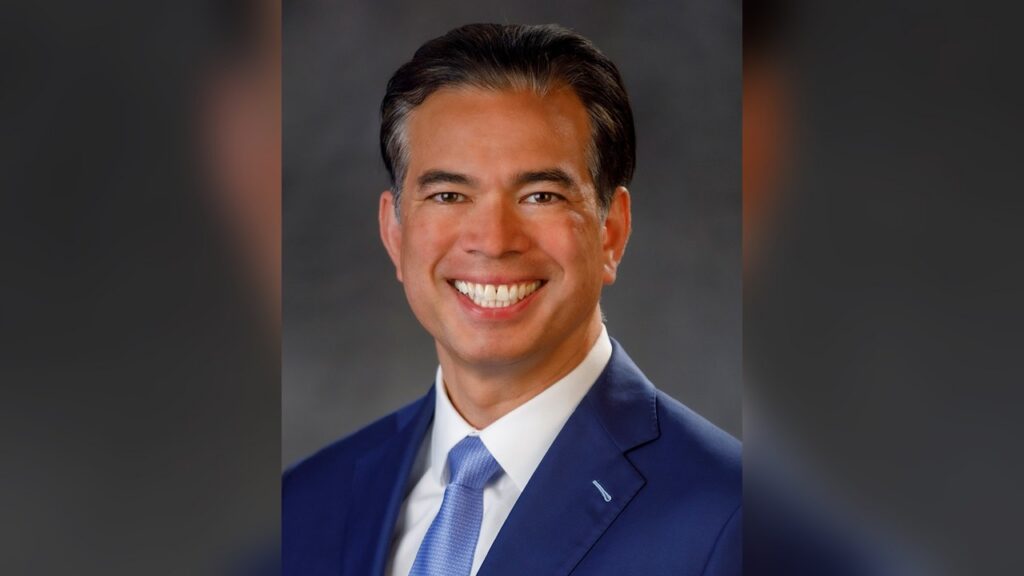 California Attorney General's office (Public domain) via Wikimedia Commons
His office put out a statement saying the lawsuit came from “clear cut antitrust analysis, based on the facts and the law.” They pointed to a February 2026 announcement that they were investigating the purchase of Warner Bros. by either Netflix or Paramount. Notice what they did not address? Whether Bonta or anyone in his office communicated with Netflix, Hastings, or Quillin. Whether he considered recusal. Whether he disputes the campaign finance numbers. They dodged every question that mattered and hid behind a press release.
I have seen this move before. My nine-year-old does it when I ask who ate the last Pop-Tarts and he says “I was in my room the whole time.” Technically responsive. Completely non-responsive to the actual question.
Republican challenger Michael Gates called Bonta’s office a “favor factory for his political bosses and donors.” California GOP Chairwoman Corrin Rankin said it “smells like Sacramento at its worst.” I have never met either of them, but they are asking the same question I am asking, and the same question you would ask if you saw this pattern on a PTA budget committee.
Netflix had a deal to buy Warner Bros. Discovery back in December. Then Paramount raised its bid by a single dollar per share, and Netflix walked, calling the deal “no longer financially attractive.” So Netflix lost. And now, conveniently, the California AG is doing everything he can to make sure the company that beat Netflix cannot close the deal either. If you cannot win the auction, get your friend in the AG’s office to block the winner.
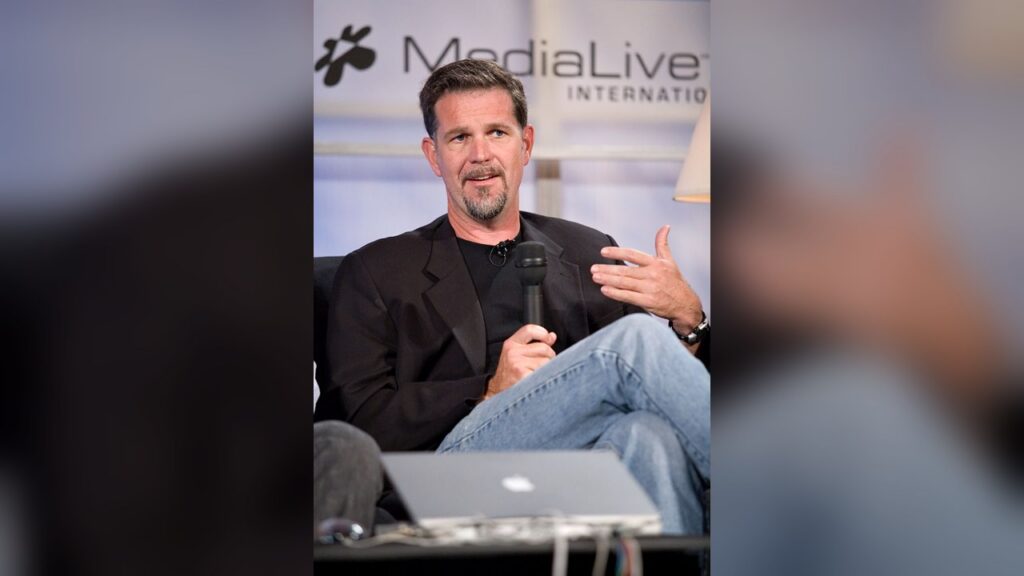 (CC BY 2.0) via Wikimedia Commons
Eleven Republican state attorneys general had already warned the DOJ about Netflix’s attempt to become “the one platform to rule them all.” That was back when Netflix was the buyer. Now that Netflix is not the buyer, suddenly a Democrat AG is leading the charge to stop the deal that would threaten Netflix’s dominance. The partisan flip is so obvious it would be funny if it were not costing taxpayers real money in a federal courtroom.
Bonta stood up in Los Angeles and talked about “free and fair markets, not rigged markets.” He said “no one is above the law.” He talked about every sofa and every movie theater seat in America. It was a beautiful speech. I am sure it played great on camera. But I have been around long enough to know that the person talking loudest about fairness is usually the one with their hand in the cookie jar.
You want to block a merger, fine. Show me the analysis. Show me you did not take a dime from anyone who benefits. Show me you recused yourself from anything touching a donor’s business interests. Show me you answered the question instead of hiding behind a press aide.
Until then, this is not antitrust enforcement. This is a favor, wrapped in a lawsuit, paid for by the people of California.