


Funny how democracy works when the right people want something built.
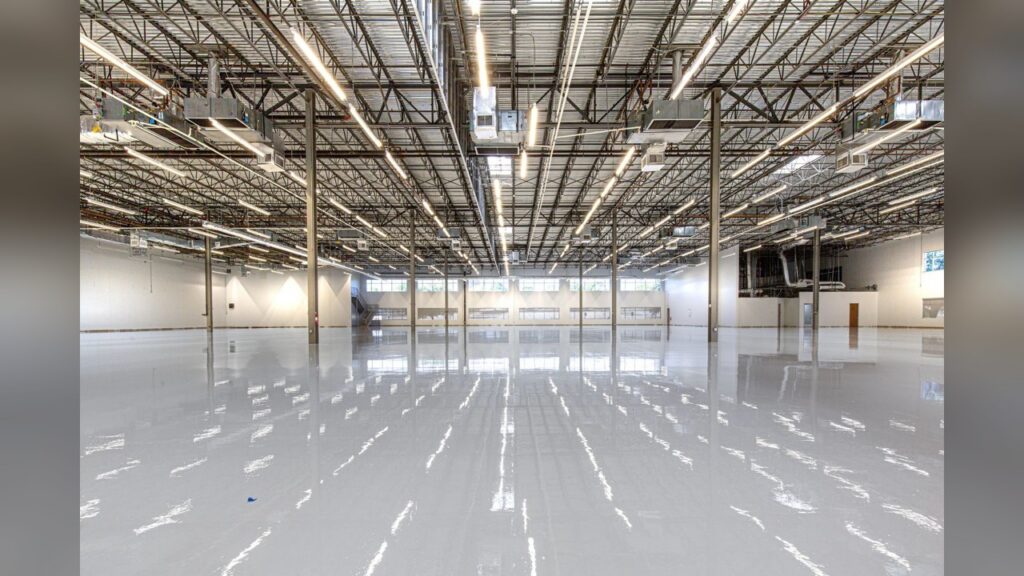
Amazon wanted a $2 billion data center on 56 acres of farmland in Gilroy, California, a town most people know for garlic and not much else. So they bought the parcel at 8050 Camino Arroyo back in 2020. They sat on it. They talked to city officials behind closed doors for years. And on July 3, 2023, a single city staffer, the community development director, picked up a pen and signed off on a 438,500-square-foot facility. No City Council vote. No Planning Commission hearing. No public meeting. According to the city’s own project materials, none was required.
You elect a mayor and a city council. You assume they run the town. Then a bureaucrat you have never heard of greenlights a $2 billion compound for the most powerful corporation on earth, and nobody tells you until the cranes show up.
That is exactly what happened. Residents learned about the project when construction had already started. Coleen Crew, an elementary-school teacher, stood up at a recent City Council meeting and said what everyone in that room already knew: “Many if not most residents first learned about this project after construction had already begun.” By then it was too late. The concrete was pouring.
Ask yourself who benefits from a process where the public never gets a seat at the table. It is not the farmer worried about his water. It is not the teacher who thought she lived in a town where people got to vote on things. It is Amazon, and it is whatever city officials got wined and dined during those years of quiet negotiation.
Mayor Greg Bozzo had a ready answer, of course. He told residents that other big industrial projects, a food-distribution center, warehouses, have been approved the exact same way for years and nobody complained. “It didn’t bother them that a food-distribution center came to Gilroy without their engagement,” he said, “but now it bothers them that a data center is coming to Gilroy without them having the possibility of engagement.”
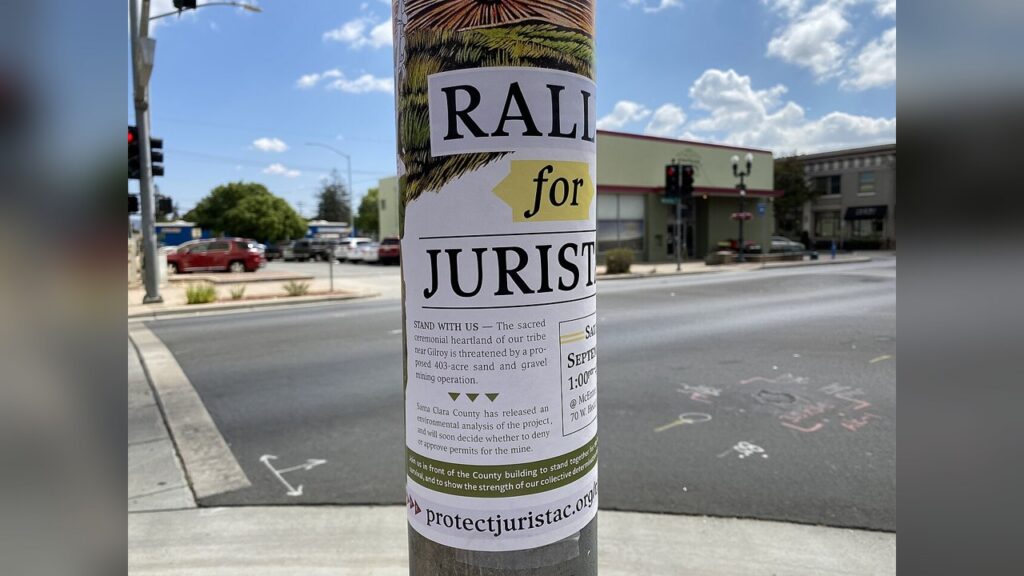 Suiren2022 (CC BY-SA 4.0) via Wikimedia Commons
There it is. The establishment’s favorite trick: tell you the rules have always been this way, so why are you upset now? A food-distribution center is not a $2 billion server farm sucking power and water in a drought-scorched agricultural region. Bozzo knows that. He just does not care, because the rules were followed perfectly and that is all that ever matters to people like him.
Residents are raising hell about water. Gilroy sits in farm country that has been baked dry by years of drought, and a data center needs staggering amounts of it for cooling. Amazon says it will use reclaimed water eventually. Eventually. Until then, clean water. Landon Sepulveda, a 21-year-old college student with a group called Silicon Valley Resistance, put it plainly: residents elected the council to tell them about big projects, and they should not have to “watch over their shoulders.” He is right. That is literally the job they were elected to do.
Amazon’s Roger Wehner admitted the company should have engaged the community earlier. They hosted an open house. A community meeting is scheduled at Gilroy High School. How generous. The building is already going up. They are holding a meeting to discuss a project that is a fait accompli. That is not engagement. That is a press conference with better catering.
Now Gilroy officials say they are weighing code changes that would require Planning Commission review, community meetings, and neighbor notifications for future data centers. Read that twice. They are rewriting the rules because the old rules worked exactly as designed, and that is the problem. The loophole was never an accident. It was a feature. It let the city approve whatever it wanted without ever looking you in the eye.
If your town has an old industrial zone, and most do, this is already your story. One signature. No vote. No warning. Just cranes one morning and a corporation that got there first.