


There is a particular species of political analysis, beloved among the sort of people who use “electability” as though it were a measurable quantity rather than a self-fulfilling prophecy, that treats every progressive primary victory as an unfortunate accident requiring immediate institutional correction. The analysts furrow their brows. The consultants shake their heads. The party apparatus, having spent months backing the safer candidate, performs a choreographed pivot so graceless it would earn a failing grade in any introductory course on organizational behavior.
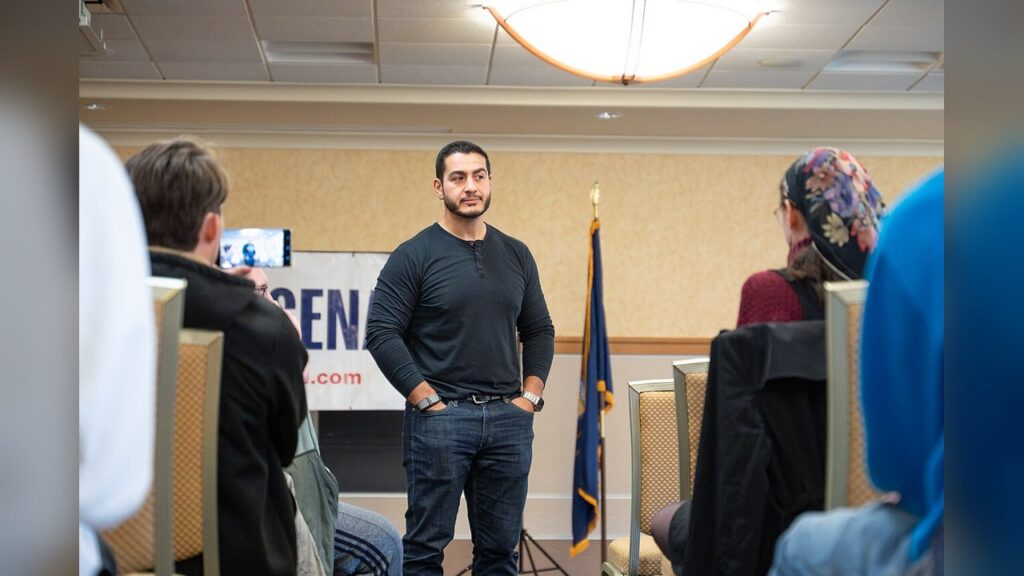
And so we arrive at the spectacle of former Vice President Kamala Harris endorsing Dr. Abdul El-Sayed for Senate in Michigan, a man who narrowly defeated Representative Haley Stevens, the candidate the establishment actually wanted, by a single percentage point. Senate Minority Leader Chuck Schumer, who had also backed Stevens, performed the same pivot days earlier. One might call it cynical. One would be more accurate to call it structural.
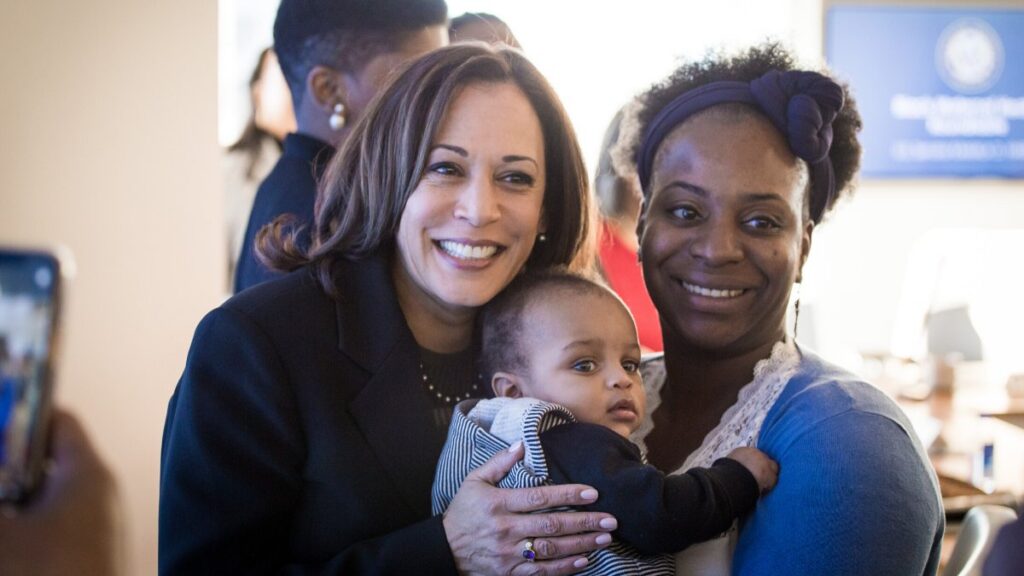 The United States Senate – Office of Senator Kamala Harris (Public domain) via Wikimedia Commons
The Democratic Party’s centrist wing has spent the better part of a decade operating on a theory of the electorate that the electorate itself has steadily refused to validate. The Cook Political Report, hardly a hotbed of leftist agitation, observed this week that Democratic primary voters are “no longer content to support candidates with the best chance to defeat MAGA-aligned candidates” and instead “want to see their party fight.” This is not a mood. It is a longitudinal trend. The data have been accumulating since at least 2018, and the institutions that refuse to read them are not exercising caution. They are exercising inertia.
Harris, to her credit, seems to have grasped this. Her endorsement statement was not the bloodless, focus-grouped pabulum one expects from a former vice president circling the party’s donor base. She named affordability. She named housing, gas, groceries, health care, child care. She named the $1 trillion in Republican tax breaks for the wealthy. These are not radical propositions. They are, in fact, the propositions that a functioning center-left party would have been advancing for the last fifteen years instead of chasing suburban Republicans who, as the 2024 results rather conclusively demonstrated, were never coming back.
El-Sayed, for his part, has the inconvenient habit of saying what he means. He called former Representative Mike Rogers “Trump’s minion,” which is the kind of phrasing that makes consultants clutch their lattes but happens to be descriptively accurate. Rogers, who trails no one in his enthusiasm for the former president’s agenda, responded with the now-ritualistic Republican complaint about “anger, divisiveness, calls to violence,” a formulation so projection-laden it would merit its own footnote in any serious study of contemporary political discourse.
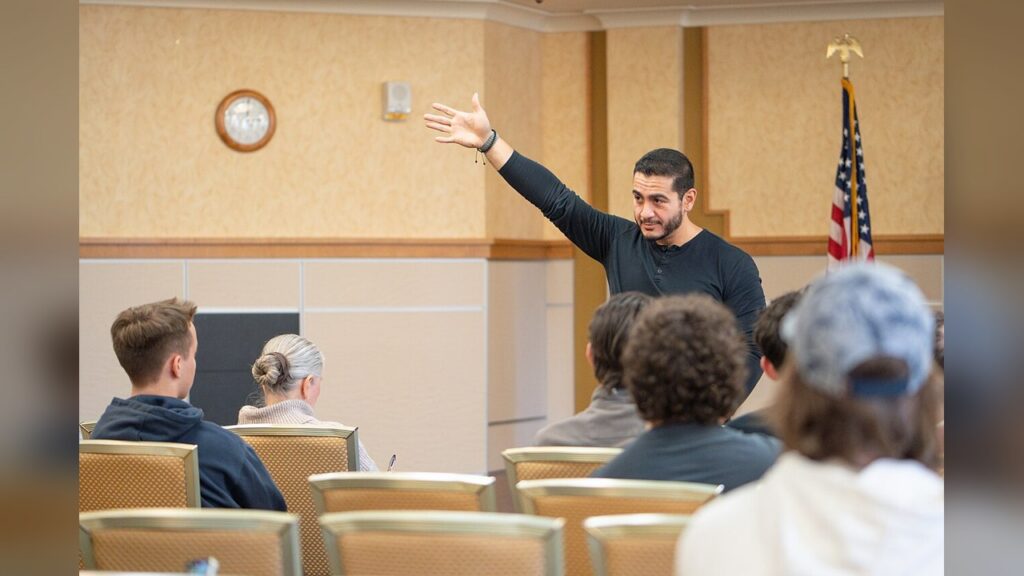 Conlan Houston (CC BY-SA 4.0) via Wikimedia Commons
The polling gives Rogers a three-point lead, within the margin of error. The same surveys had Stevens ahead by two. The same surveys had El-Sayed winning the primary by double digits when he won by one. The instruments, in other words, are not measuring what their operators believe they are measuring. This is itself a symptom.
What is actually happening in Michigan is not complicated, though it requires abandoning the framework that treats “moderate” and “electable” as synonyms. A progressive candidate who organized around material economic grievances defeated a moderate candidate who organized around institutional reassurance. The institutions then fell in line, because institutions, whatever their preferences, possess a survival instinct that occasionally overrides their ideological reflexes. El-Sayed has even said he would vote to replace Schumer as leader, and Schumer endorsed him anyway. If that does not illustrate the structural logic at work, I am not certain what would.
The question now is whether the party’s apparatus will actually deploy its resources behind a candidate it spent months trying to prevent, or whether the endorsement will function as a press release and nothing more. The literature on organizational cooptation is, I am afraid, not encouraging. But the base is watching. And the base, as the centrists are slowly and painfully learning, is no longer asking permission.
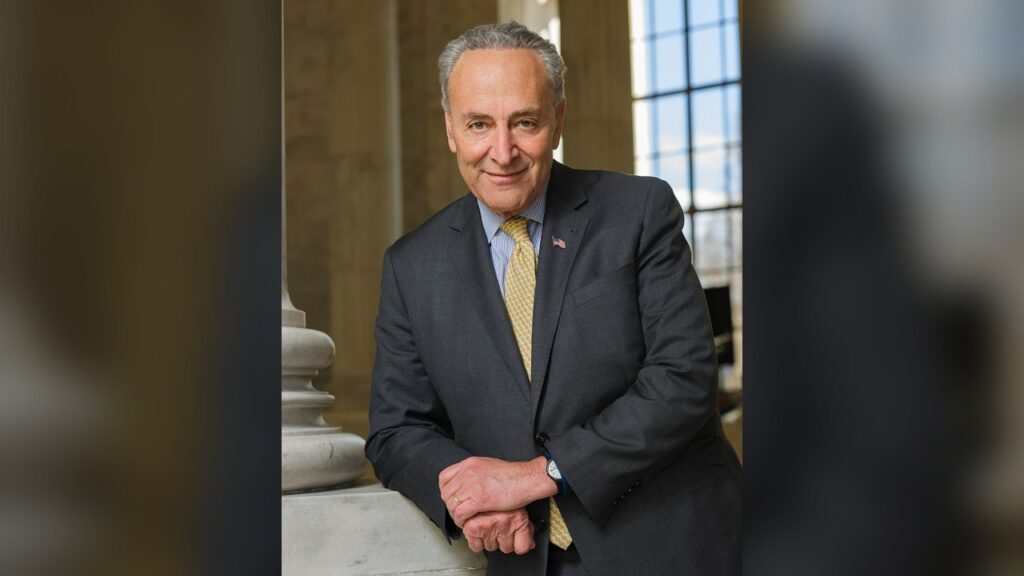 U.S. Senate Photographic Studio/Jeff McEvoy (Public domain) via Wikimedia Commons
The Hill: Harris throws support behind El-Sayed in Michigan
The National Desk: Harris endorses El-Sayed for Michigan Senate seat