


There is a particular kind of satisfaction, thin and perhaps unseemly, in watching a structural mechanism do its work without anyone having to ask. No injunction was filed. No cease-and-desist letter was dispatched, at least not publicly. No court was petitioned. And yet the sound is gone.
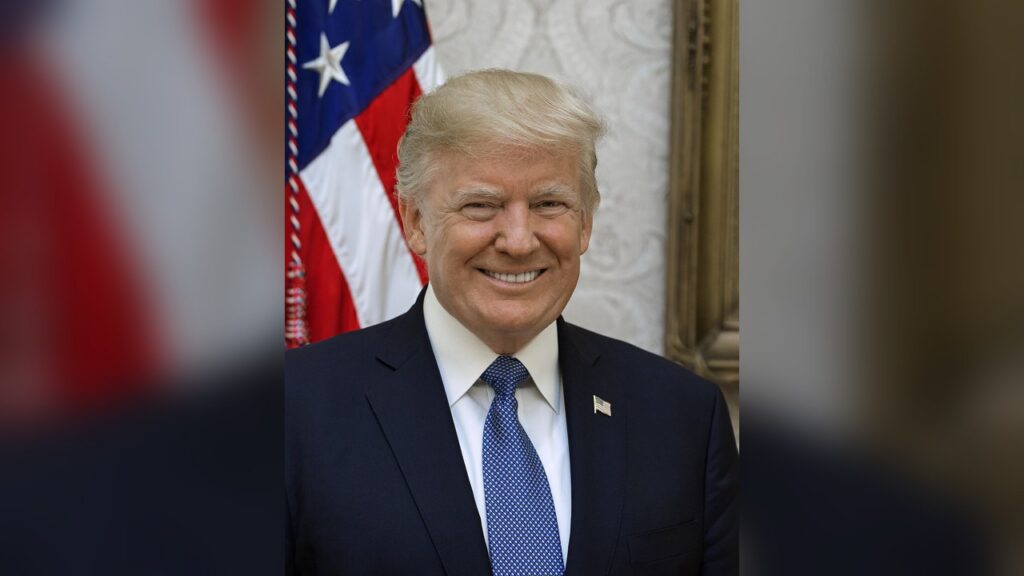
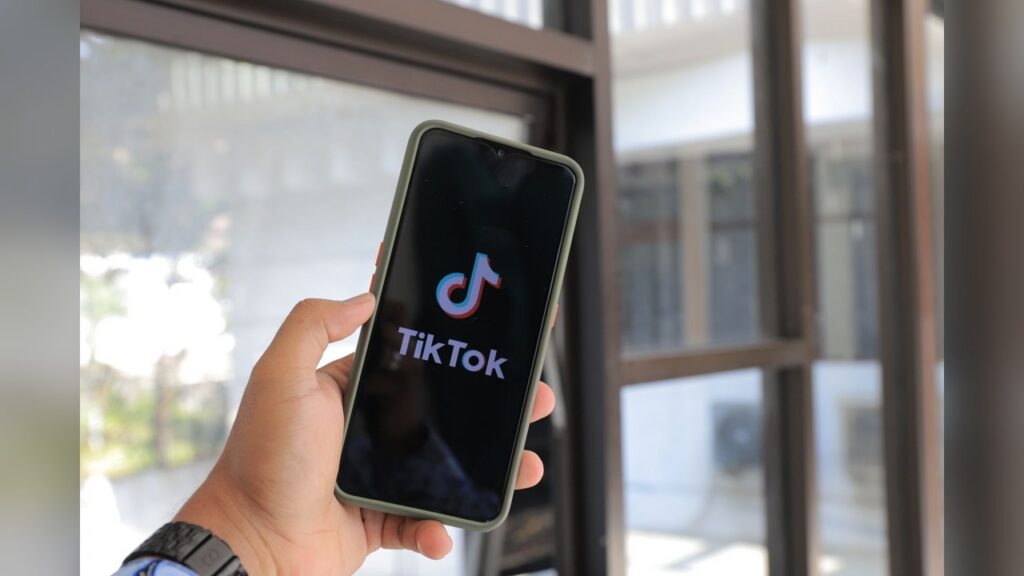
Over the past week, Donald Trump’s campaign account and the White House itself posted social media videos set to Taylor Swift’s music. One, from August 3rd, showed the president and first lady on a balcony watching fireworks while Swift’s song “August” played underneath, accompanied by the text “I’m sure @Taylor Swift is going to be super excited we used her song!” Another post needled Swift over her 2012 album “Red,” suggesting she had written “a whole album about the color of the Republican party.” Both are now silent. The TikTok audio panel reads, with the flat bureaucratic indifference that only a platform’s automated copyright system can muster, that the sound is not available in the user’s country.
 Shealeah Craighead (Public domain) via Wikimedia Commons
What we are observing here is not a scandal. It is a symptom, and a rather instructive one.
The Trump social media apparatus has been doing this for some time, and not only with Swift. Ariana Grande’s music was layered over a montage of ICE agents handcuffing people; she asked them to stop. Sabrina Carpenter’s song was used to soundtrack footage of immigration raids; she called the video “evil and disgusting.” Katy Perry, Olivia Rodrigo, Kenny Loggins. The pattern is not accidental. It is a deliberate strategy of provocation, what one might term, in the academic literature on digital political communication, “engagement-bait through cultural appropriation.” You take something beloved, attach it to something controversial, and wait for the outrage to generate reach. The artist objects. The objection becomes the story. The story becomes the distribution.
 Ronald Woan from Redmond, WA, USA (BY-SA) via wikimedia
What is notable, and what I confess I find grimly clarifying, is that the only force capable of stopping this particular practice is not political norms, not the dignity of the office, not the pleas of the artists themselves, but the automated copyright enforcement architecture of a Chinese-owned video platform. The system that Trump spent much of his first term threatening to ban is now the only institution reliably constraining his campaign’s use of other people’s creative labor. There is a paper to be written about that irony, and I suspect several of my colleagues are already drafting it.
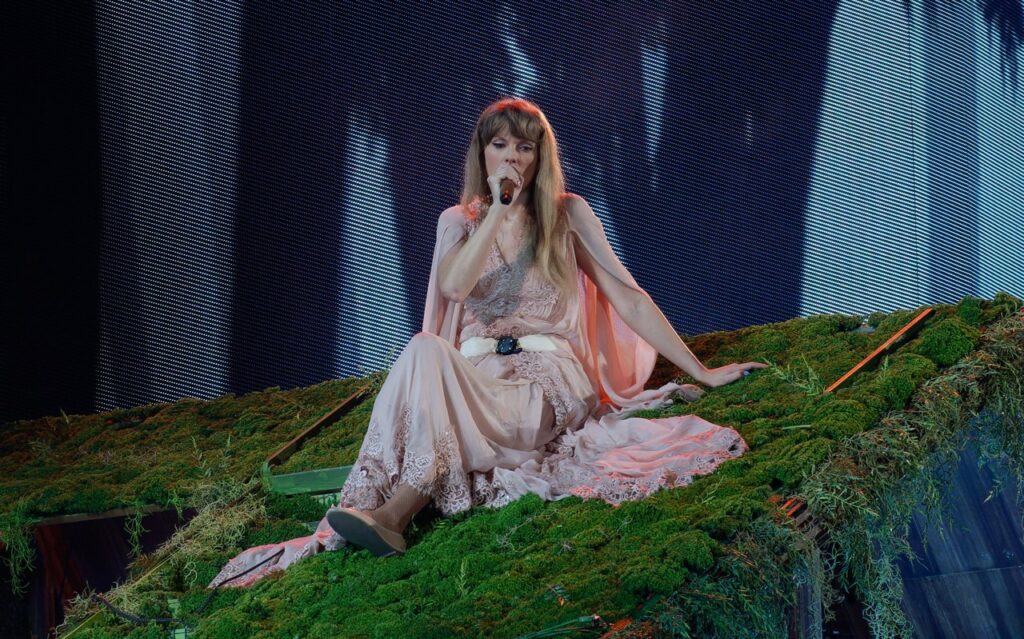
Swift herself has not commented on this latest episode, which is itself a kind of statement. She endorsed Kamala Harris in 2024, prompting Trump to post, in his characteristic capital-letter idiom, “I HATE TAYLOR SWIFT!” During the 2020 campaign she stated that Trump was “WELL AWARE we do not want him as our president.” The personal animus is well-documented. The campaign’s decision to use her music anyway, with a caption preemptively mocking her reaction, sits squarely within the broader pattern: the appropriation is the point. The discomfort of the appropriated is the content.
 greenwish _ / Pexels
What the copyright regime has done here, quietly and without ceremony, is enforce a boundary that political custom once maintained through something as simple as shame. Politicians have historically misused musicians’ work, and musicians have historically objected, and the matter was usually resolved through a phone call and a retraction. That informal system relied on a shared assumption that the artist’s refusal deserved respect. We no longer share that assumption, or at least the Trump operation does not, and so the task falls to TikTok’s content-ID system, which does not negotiate and does not care about the optics.
The sound is gone. The videos play in silence. The mechanism worked. One hesitates to call that a victory for democratic norms, given that it required neither democracy nor norms to function. But one also notes, with the weary precision of someone who has been watching institutions fail for rather a long time, that a working mechanism is not nothing.