



Donald Trump has nursed a grudge against a piece of naval equipment since 2017. That is not a joke. That is the documented origin story of a presidential directive signed Thursday that will cost the American public billions of dollars, make aircraft carriers harder to run, and require more sailors to operate systems the Navy itself says it does not want.
The national security memorandum orders the Navy to rip out the Electromagnetic Aircraft Launch System, or EMALS, from future Gerald R. Ford-class carriers and reinstall steam catapults, starting with the fourth ship, the USS Doris Miller. The first three Ford-class carriers keep their existing electromagnetic systems. Everything from the Doris Miller onward goes backward.
Let us be clear about what is being discarded. EMALS launches jets faster, takes up less space aboard ship, and cut the number of sailors needed to operate the catapults from roughly a dozen to two. The USS Ford, equipped with the system, costs about $100 million less per year to operate than the older Nimitz-class carriers. The Navy touted the system in a February press release for allowing higher launch and recovery rates than any predecessor. General Atomics, the company that builds the launch and recovery gear, confirmed that work on the Doris Miller’s catapults is already halfway complete. Their statement warned that “changing course now would introduce significant cost, schedule, and integration risks.”
 The White House (Public domain) via Wikimedia Commons
The Navy did not ask for this. Defense industry officials did not ask for this. The experts who design, build, and operate these systems opposed the change. Trump has been railing against electromagnetic launchers since his first term, when he told Time magazine the system is “not good” and “doesn’t have the power” of steam. “You’re going to goddamned steam,” he said then. At a defense summit in Pennsylvania last month, he was still at it: “Billions of dollars more they spent on electric catapults and they’re not good. They’re not nearly as good, too complex.”
One man’s decade-long fixation, grounded in no engineering expertise, is now binding policy. The memo gives the Pentagon and Navy two months to present plans for the removal. Two months to undo years of design work that was half-finished.
Here is the structural harm. The Navy started this year with roughly 20,000 unfilled posts across the fleet. Reverting to steam catapults means each carrier needs more sailors to operate and maintain equipment that is, by the Navy’s own assessment, more difficult to service. The branch is already struggling to fill billets on warships. This order makes that crisis worse. Taxpayers will absorb billions in redesign and rework costs at the same moment Congress is weighing a $95 billion military funding package and a proposed $1.5 trillion defense budget. Every dollar spent reinstalling 1950s technology on a 21st-century hull is a dollar not spent on housing, healthcare, education, or the actual readiness of the force.
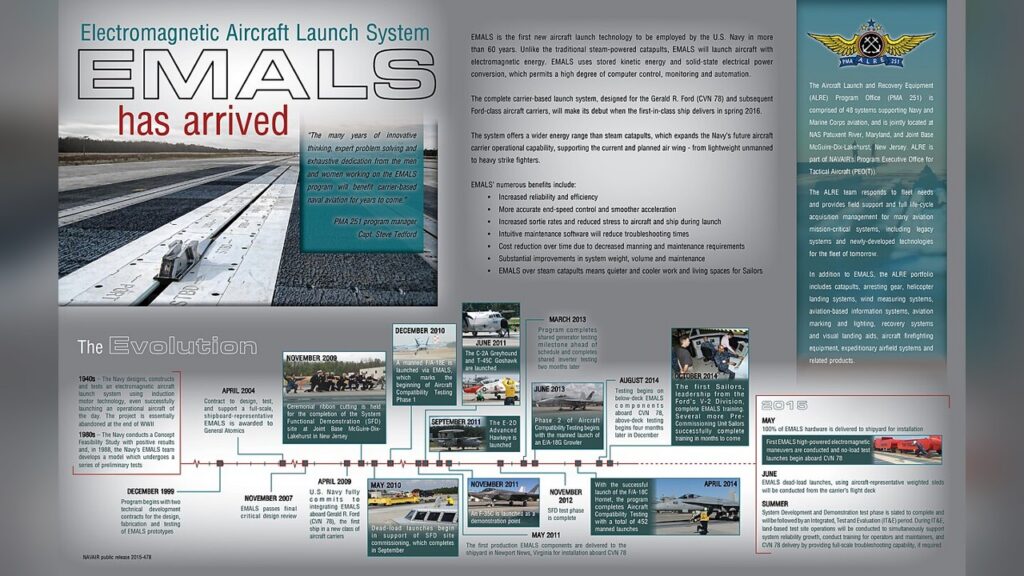 U.S. Navy photo illustration/Released (Public domain) via Wikimedia Commons
And while the United States pulls backward, China’s newest carriers already use electromagnetic catapults. France has committed to the same system for its next carrier. The technological edge that American shipyards spent two decades building is being surrendered because one man heard something he did not like eight years ago and never let it go.
The memo itself notes that the Navy’s “constant design changes” have “resulted in cost growth, delays, and cancellations.” The president signed a document that identifies design churn as a problem and then, in the same document, mandated the single most disruptive design change in the program’s history.
This is what unchecked executive power looks like when it collides with institutional expertise. The Navy’s engineers, the sailors who operate these systems, and the taxpayers who fund them all deserve leadership that listens to evidence instead of indulging a personal vendetta against a machine. Congress has the power of the purse. It must use it. Every member who claims to care about fiscal discipline or military readiness should be asked, on the record, whether they support spending billions to make American carriers slower, costlier, and harder to staff because the president prefers steam.
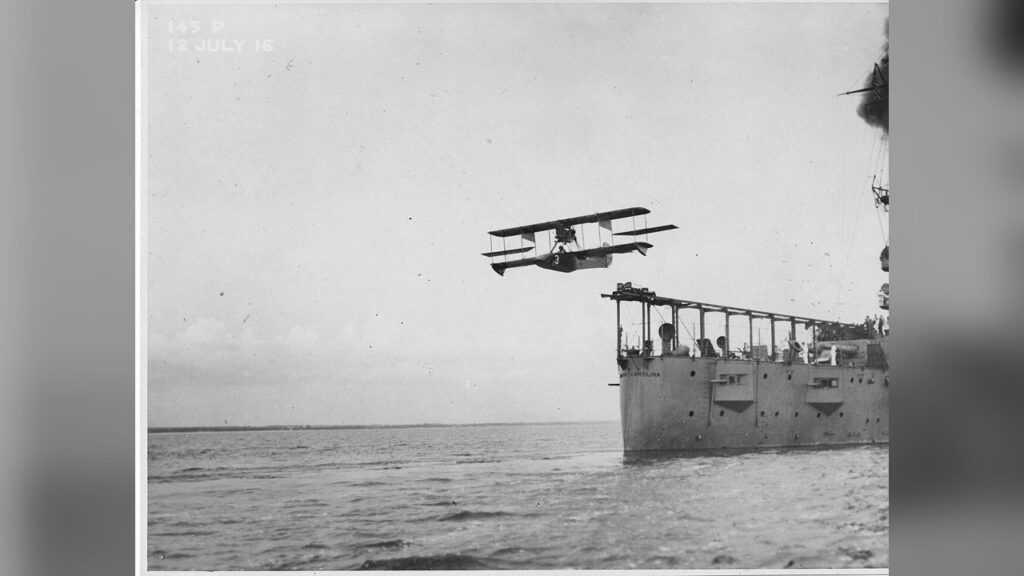 US Naval aviation photos (Public domain) via Wikimedia Commons
Hold the hearing. Demand the cost estimate. Block the funding. Accountability does not happen by accident. It happens when people with power are forced to answer for the harm they cause.