


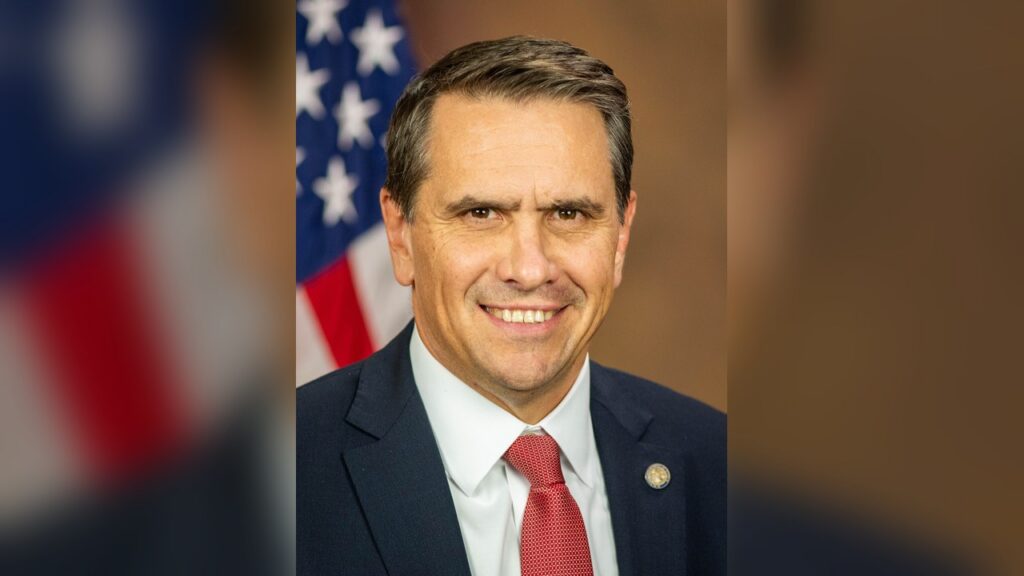
Let me ask you something. If you got caught doing something wrong at your job, could you write yourself a little note that says “nobody’s allowed to ask me about it” and just keep going to work? No? You’d get laughed out of the building, or fired, or both?
Well, Todd Blanche just did exactly that. Hours after he was sworn in as Attorney General, the Justice Department dropped a 21-page memo that does something no court has ever approved: it declares that executive privilege, the doctrine that lets presidents keep some conversations private, now covers everything the president says to anyone, including people who don’t work for the government at all. Your buddy. Your lawyer. Your kids. Privileged.
Liz Oyer, the former DOJ Pardon Attorney who was fired for refusing to recommend clemency for a January 6 defendant, laid it out in plain English. Two presidents have tried this move before. Richard Nixon tried it to cover up Watergate. Donald Trump tried it in 2021 to hide his January 6 communications. Both times, courts said no. The privilege is limited. It has to be balanced against the public’s right to know. That’s not my opinion. That’s the law on the books.
So Blanche’s memo just ignores that. Writes around it. Papered right over it. And here’s the part that should make you want to flip a table: it doesn’t just cover Trump. It covers anyone who has ever spoken to him. His sons get subpoenaed by Congress? The administration can squash their testimony. A private advisor gets called into court? Privileged. A guy who was in the room for one phone call? Shielded.
Now, is this legal? Oyer says the existing case law says no, flat out. But she also says something that should chill you to the bone: this Supreme Court just might go for it anyway. This is the same court that handed Trump absolute immunity from criminal prosecution two years ago. The same court that decided a president is above the law as long as he’s sitting in the chair. You think they’re going to suddenly rediscover limits on executive power now?
And here’s the real kicker, the part that tells you this whole thing is a con even if the courts eventually strike it down. Even if a judge throws it out, the memo still works. It buys Trump years. Every subpoena gets litigated. Every document request gets tied up in court. Every witness gets a privilege claim that has to be argued before a panel. The investigation doesn’t die. It just drowns in paperwork until everyone forgets what they were even looking for.
That’s the play. Not to win in court. To run out the clock.
I have questions for the manager. When a president’s own handpicked Attorney General writes him a memo that says he and everyone he’s ever talked to are above congressional oversight, what exactly is the difference between that and a king? When the Justice Department, the agency that’s supposed to enforce the law, becomes the agency that helps you break it, who exactly is left to call?
Richard Nixon’s Attorney General went to prison for covering up crimes. This one’s writing cover-up memos on Day One and calling it legal theory. The guardrails aren’t broken. They’re being dismantled from the inside, by the people who were supposed to maintain them, and they’re betting you won’t notice until it’s too late.