


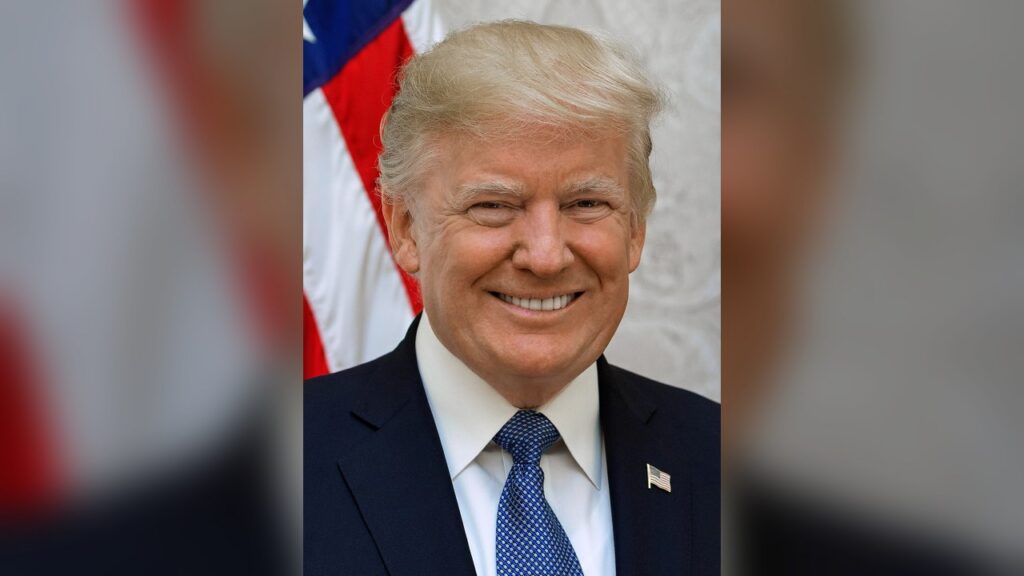
Donald Trump stood in a casino in Las Vegas on Wednesday and told a roomful of people that American exports are “totally on fire in a positive way” and have “skyrocketed to the highest level in American history.” The U.S. Census Bureau and the Bureau of Economic Analysis reported the same week that June exports fell 0.9 percent to $314.7 billion. The three-month moving average is also down. He said it. The government’s own data contradicts it. And hundreds of people who waited in line wrapped around slot machines at the Red Rock Casino Resort heard the lie and cheered.
That is the structure of the harm. A president stands in a room built on lost wages and tells working people the economy is roaring while their paychecks shrink. Tom Port, a 36-year-old driver, told PBS the tax cut on tips is “the best thing” Trump could have done for him. Terilyn Taylor, a 60-year-old teacher, said she likes Trump but thinks home prices, interest rates, and gas prices are too high. She said she thought gas prices would be temporary. She is still waiting.
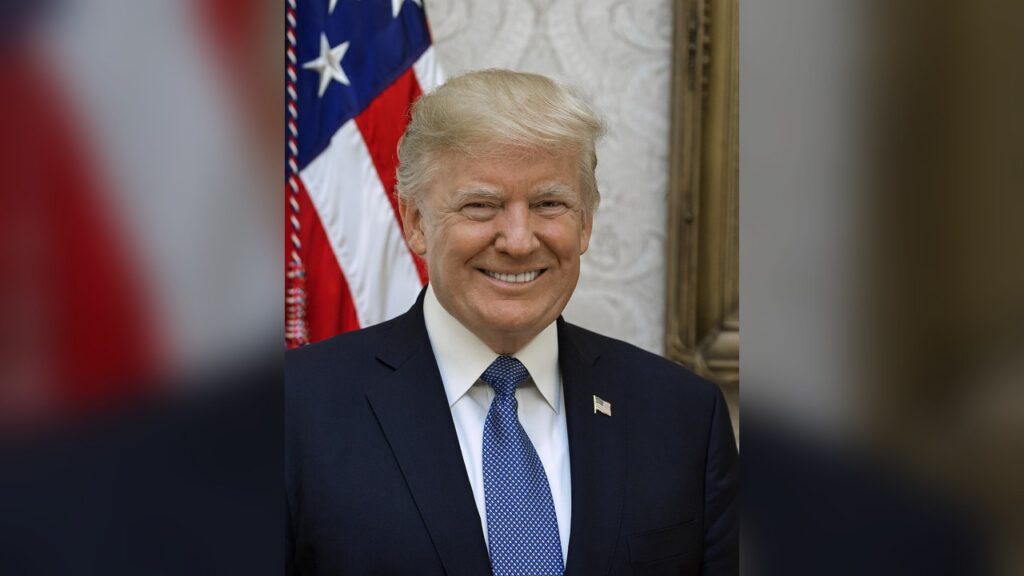 Shealeah Craighead (Public domain) via Wikimedia Commons
Trump told her the war in Iran would end soon and oil prices would fall. He has been saying that for weeks. Oil prices have risen as the war continues. Then he added something new: “We may have to send it up again.” He did not clarify what that means. The president of the United States floated raising oil prices on a crowd in a state where tourism is collapsing, and the crowd had no way to hold him accountable for the words.
Because the harm is not only economic. Trump called Canadians “nasty” from a Las Vegas stage in a city whose mayor has said Canadian visitors, Nevada’s largest international market, have dried up because of his trade war and his insults. Then, in the same speech, he promoted a lithium mine in Nevada developed by a Canadian firm, Vancouver-based Lithium Americas, telling people in the audience “you are working there” at a site 500 miles away. He did not mention the U.S. government took a minority stake in the project. He insulted a country, then sold its company’s project as his own victory. That is not policy. That is a man who believes the audience will not remember what he said five minutes ago.
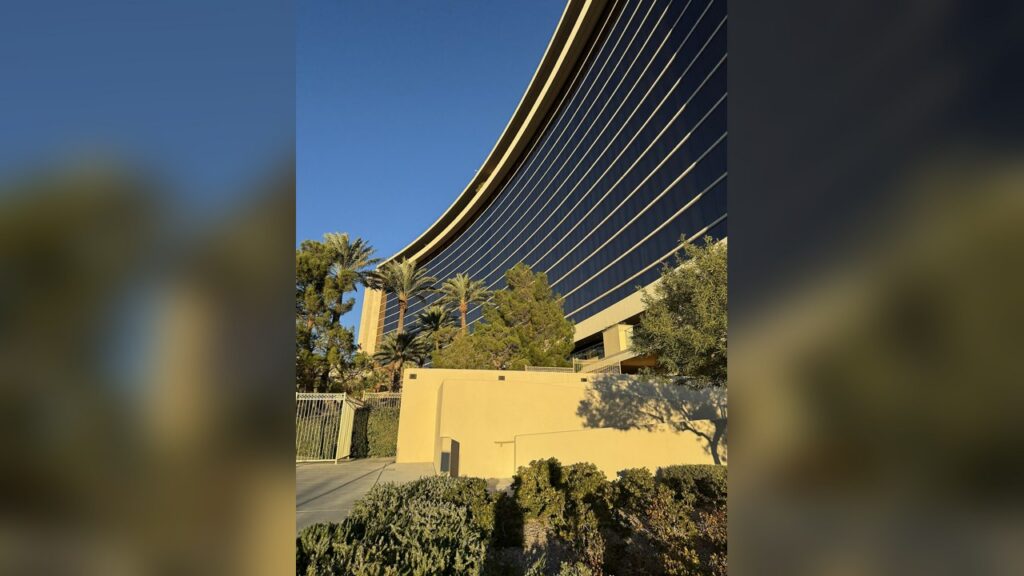 Roc0ast3r (CC0) via Wikimedia Commons
He insisted again that the White House ballroom he is building after demolishing the East Wing is a “military complex” with “some things I can’t even talk about.” Senate Republicans tried to advance $1 billion in funding for White House security and military improvements tied to the project. That proposal stalled. The costs ballooned. The man who promised to pay for it himself now wants public money for a ballroom with “drone ports.”
He called Abdul El-Sayed, the Democratic Senate nominee in Michigan who would be the first Muslim senator, a communist and said El-Sayed “hates” Jewish people “with a passion that burns in his heart.” El-Sayed has called for ending U.S. military aid to Israel and has rejected accusations of antisemitism. Trump’s response was to stand on a stage and dehumanize a Muslim American running for office, because that is what he does when someone challenges power.
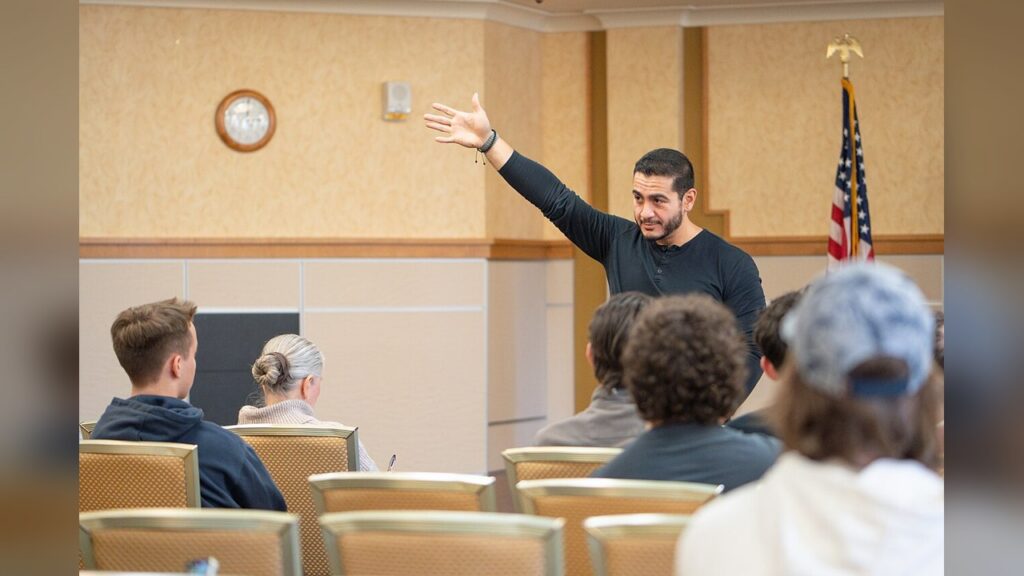 Conlan Houston (CC BY-SA 4.0) via Wikimedia Commons
Toward the end, Trump revived what he called “the Great Healthcare Plan,” announced in January and barely mentioned since. Its centerpiece is health savings accounts, which direct money to people who already have money and do nothing for the 26 million Americans without insurance. He named it like a product. He offered no details. He counted on the room not to ask.
A president who fabricates export numbers, floats raising oil prices, insults a trading partner while promoting that partner’s company, demands a billion dollars for a ballroom he calls a fortress, and smears a Muslim candidate as a hater of Jewish people is not delivering a speech. He is performing impunity. And impunity unchallenged becomes policy. The people in that casino, the people watching from home, the people who cannot afford gas or groceries or a doctor, deserve more than a show. They deserve accountability, and they deserve it now.