


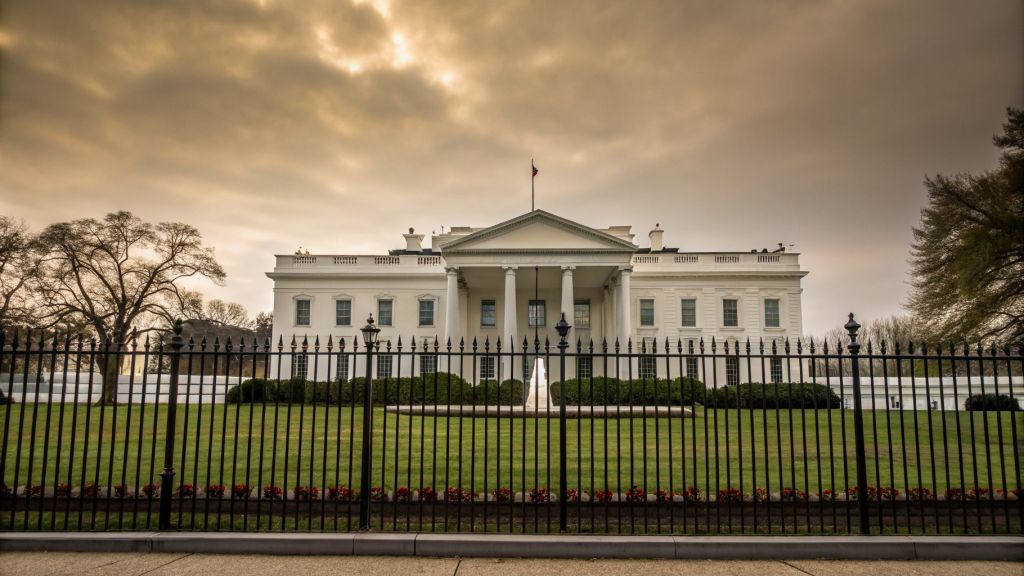
There is a concept in infrastructure management — I apologize for the jargon — called “addressing the failure mode.” It is not a complicated idea. When a system fails, you identify the mechanism of failure, and then you intervene at that point. You do not, for instance, repaint the interior of a pool whose supply pipes are fractured and expect the pipes to heal by aesthetic proximity to fresh paint. And yet here we are.
The Lincoln Memorial Reflecting Pool was built in the 1920s. Its piping has leaked for decades. Barack Obama’s administration spent $35 million in the 2010s installing a treatment plant that drew water from the Tidal Basin. That project did not fully resolve the leaks — a fact Trump has cited with characteristic precision and characteristic dishonesty, because the Obama renovation at least attempted to engage the actual infrastructure. Trump’s $16 million project, unveiled in April, consisted of repainting the pool’s bottom and installing a new filtration system. The pipes — the thing that is broken — were left untouched. This is the maintenance equivalent of buying a new air freshener for a car with a blown head gasket.
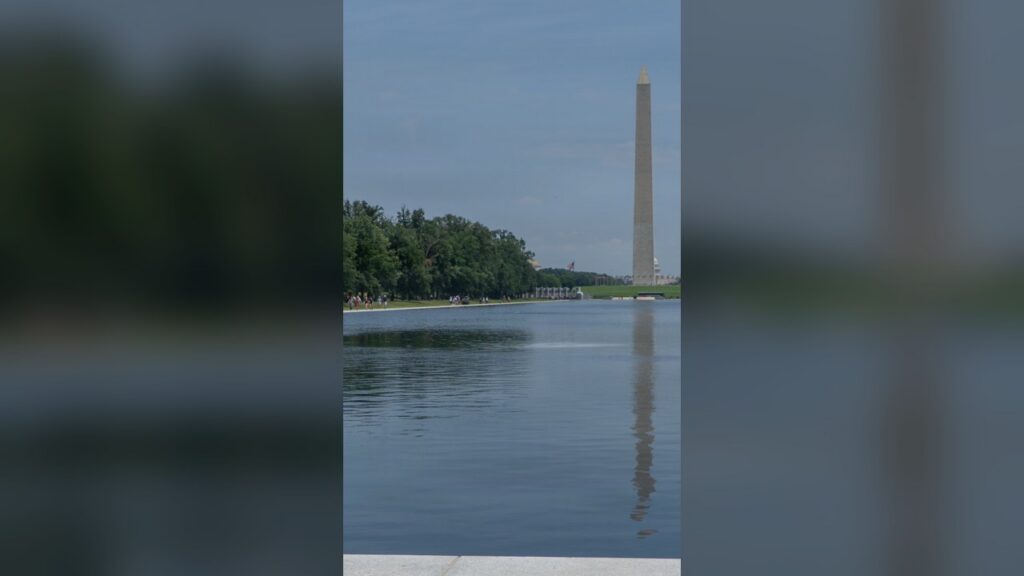 Christian Brown (Public domain) via Wikimedia Commons
The results were predictable to anyone who has ever interacted with water. By mid-June, algae blooms turned the pool green. The newly installed liner began peeling. The National Park Service, an agency that once commanded respect for its stewardship of national monuments, has now been reduced to posting signs outside the pool explaining that more than half of its 58 supply ports are “deemed nonfunctioning” due to buildup — and blaming “years of neglect by previous administrations.” One imagines the sign-writer typing this with the quiet dignity of a hostage.
But the infrastructure failure is only the prologue. The truly illuminating chapter is what followed. Trump attributed the damage to vandalism. The U.S. Attorney’s Office for the District of Columbia, under Jeanine Pirro, brought criminal charges against several visitors, including a felony indictment against former Olympian David Hearn. Those charges have now collapsed. Pirro herself moved to dismiss four cases last week, filing a 20-page document that called the renovation “hasty” and “botched” and acknowledged that internal Department of Interior records showed concerns about the peeling liner predated the alleged sabotage. The vandalism theory was not merely unsupported. It was contradicted by the government’s own documents, which Pirro apparently did not possess when she filed the charges — a procedural failure that would be embarrassing in a municipal court and is staggering in the office once held by people who understood what prosecution entails.
 Internet Archive Book Images (No restrictions) via Wikimedia Commons
Trump, undeterred by the dismissal of his own U.S. Attorney, continues to insist the damage was caused by “vandals.” Hearn is now seeking dismissal with prejudice. His lawyers have not ruled out further legal action. A man was charged with a felony because the President of the United States could not accept that his renovation project was superficial, and the U.S. Attorney’s Office accommodated that delusion until the evidence made it impossible.
What we are observing is not an infrastructure problem. It is a governance pathology with a very specific etology: cosmetic intervention sold as structural reform, followed by blame externalization when the structure predictably fails, followed by criminal prosecution of convenient scapegoats to preserve the narrative. The Reflecting Pool is a reflecting pool in the literary sense now. It reflects the administration that maintains it.
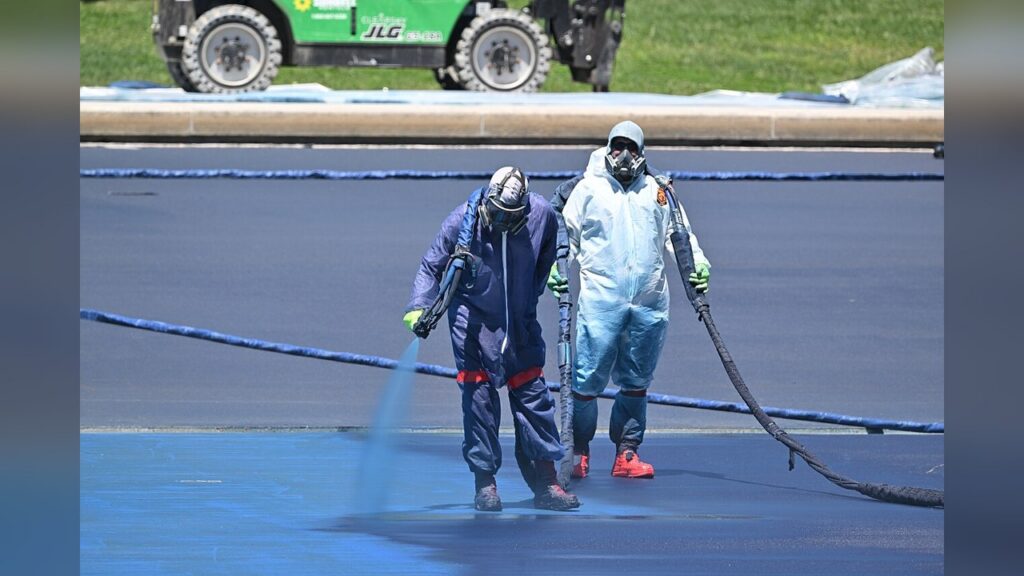 G. Edward Johnson (CC BY 4.0) via Wikimedia Commons
The pool remains fenced off and empty. The NPS warns that flushing may discolor the water. One trusts it will not discolor it green, though at this point the administration might prefer that to admitting the obvious.