


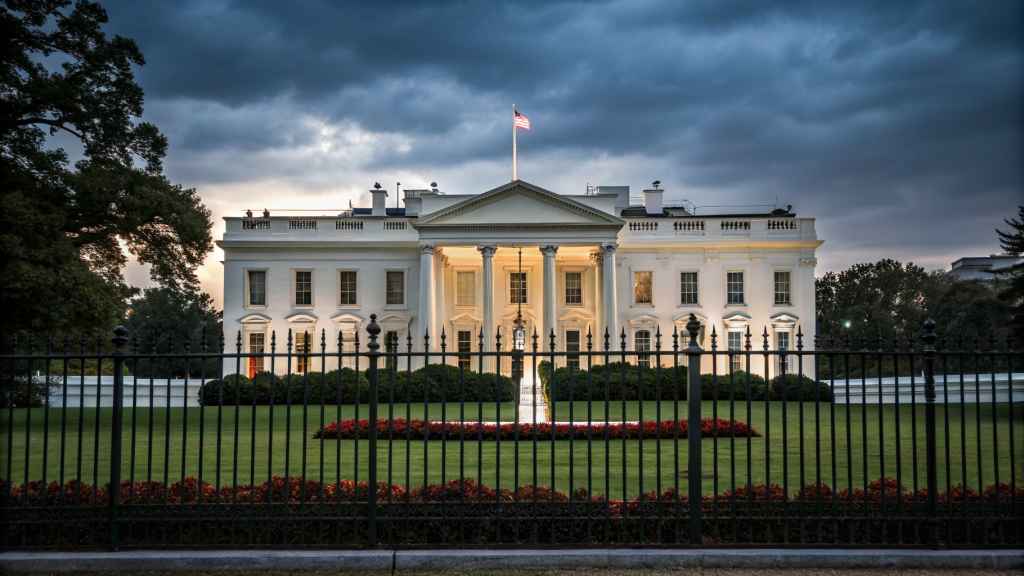
Funny how this works. The president picks up the phone, tells Axios he’s “low keying it” with Iran, and within hours the usual suspects are lining up to tell you that’s actually a disaster. Mark Esper, the former Defense Secretary Trump fired back in 2020, is now making the rounds claiming Iran is “emboldened” because nobody in Trump’s inner circle thought they’d actually close the Strait of Hormuz. So let me get this straight. The guy Trump canned is now the go-to expert on what Trump got wrong. Ask yourself who benefits from that arrangement.
Here’s what actually happened, stripped of the spin. A week ago, Trump was leaning toward resuming major combat operations against Iran. U.S. officials told Axios as much. Then somebody, somewhere, convinced him to stand down. Now he’s watching Iran’s economy crater under a naval blockade, oil is down to around $75 a barrel, and he’s telling reporters “it will work out. It always works out. It’s like a chess game.” No new military threats. No chest-thumping. Just pressure and patience.
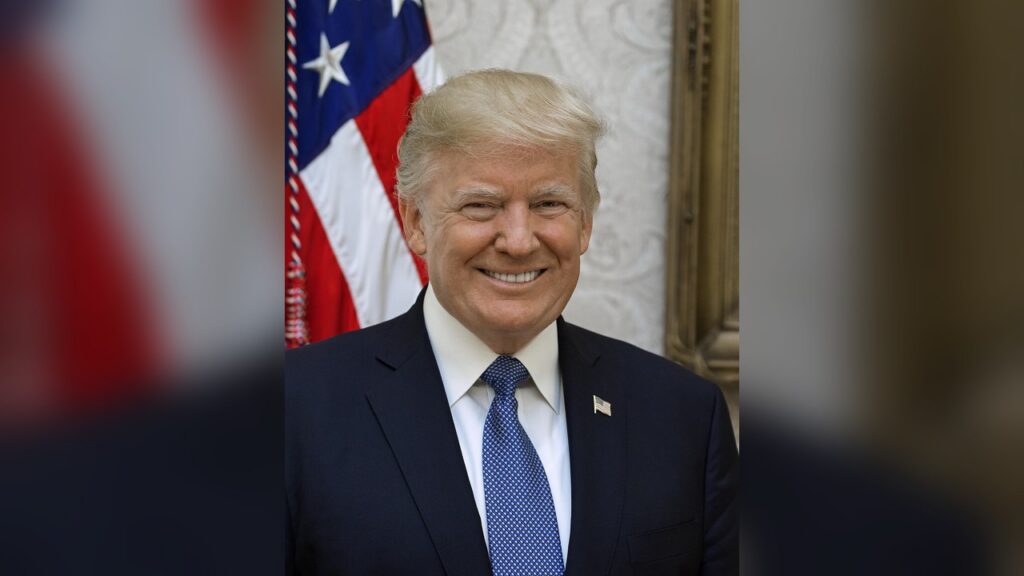 Shealeah Craighead (Public domain) via Wikimedia Commons
And the establishment is losing its mind over it.
Esper’s argument, if you can call it that, is that Iran feels emboldened because they called a bluff. They closed the strait when the smart people in the Pentagon said they wouldn’t. Therefore, the logic goes, we should have hit them harder. This is the same thinking that gave you twenty years in Afghanistan and a trillion dollars in Iraq. The same experts who never met a problem that couldn’t be solved with another bombing run are now whispering in reporters’ ears that Trump is being soft. Soft. The man has a naval blockade choking off Iran’s economy and 8 million barrels of oil flowing through the Gulf every night under U.S. military coordination. That’s not soft. That’s leverage without body bags.
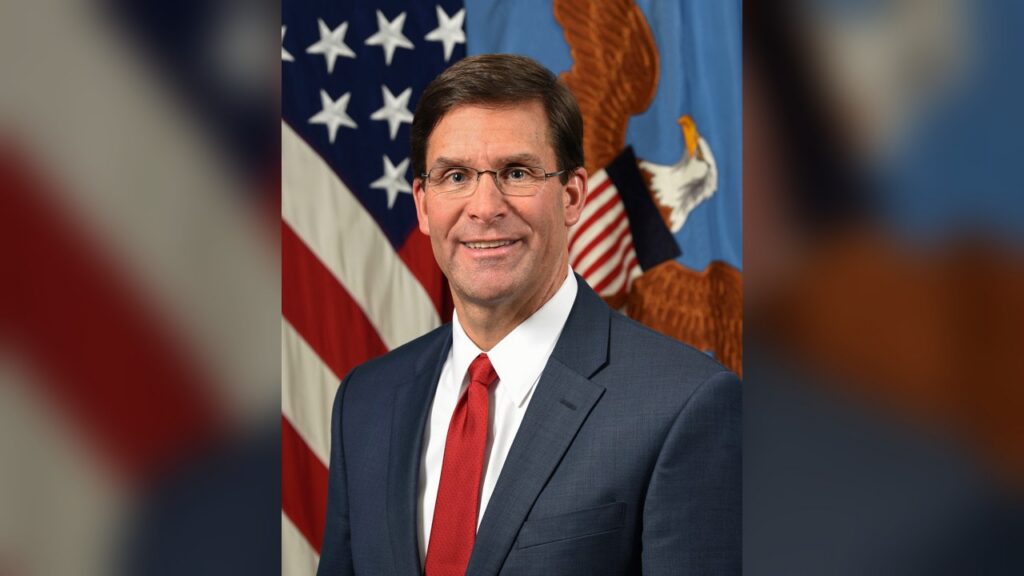 Monica King (Public domain) via Wikimedia Commons
Meanwhile, Iran is doing what Iran always does. They issued a new list of demands on Saturday that reads like a wish list from a regime that knows it’s cornered. Never threaten or insult Iran again. End the war in Lebanon, Gaza, Yemen, and Iraq. Lift all sanctions. Release all frozen funds. Full compensation for war damages. A diplomat from one of the mediating countries told Axios these demands reflect political infighting inside the regime. One camp, led by President Masoud Pezeshkian, is terrified of economic collapse and wants a deal. The other, led by IRGC commander Ahmad Vahidi, rejects any concessions. That’s not an emboldened adversary. That’s a regime eating itself.
Trump sees it. He told Axios Iran has “huge inflation” and “no money” to pay its own troops. He’s watching the pressure do what bombs do, without the funerals. And for once, a president is choosing the option that doesn’t immediately involve American kids coming home in flag-draped boxes.
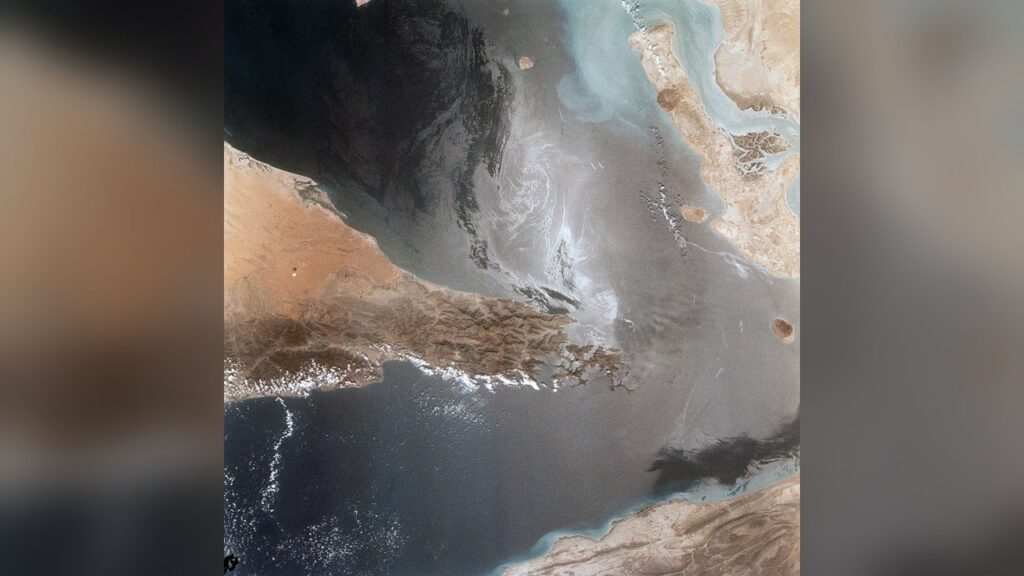 NASA (Public domain) via Wikimedia Commons
So why is Esper on television? Why are unnamed officials leaking to Axios that Trump was “convinced to de-escalate,” as if that’s a bad thing? Because the war machine doesn’t take days off. When a president steps back from the cliff, the people who build the cliffs get nervous. They need you to believe that anything short of escalation is surrender. They need you afraid.
Eight million barrels a night are getting through. Oil is down. Iran’s economy is on life support. The regime is fighting itself. And the president is playing chess instead of throwing the board. If that’s what “low keying it” looks like, maybe we could use a little more of it and a lot less of Mark Esper.