


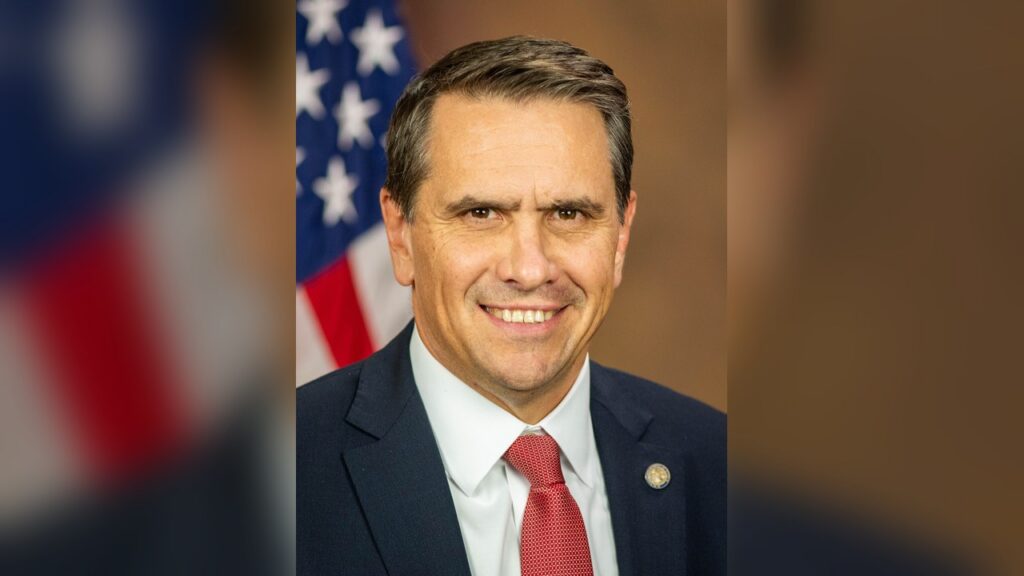
There is a particular species of political transaction that political scientists have studied for decades, the non-binding commitment. It is the art of giving someone exactly what they asked for while ensuring, through careful drafting, that they receive nothing at all. Senators John Cornyn and Thom Tillis, in their waning days in the Senate, have now perfected their roles as willing marks in this ritual. And Todd Blanche, sworn in as attorney general on Monday, wasted no time demonstrating that the promises he made to secure their votes were worth precisely the paper they were printed on, which is to say, nothing the law can enforce.
Let us reconstruct the architecture of the farce. Cornyn and Tillis, two outgoing Republicans whose departures Trump himself engineered by endorsing primary opponents, held up Blanche’s nomination over the president’s “anti-weaponization fund,” a $1.7 billion settlement slush pile carved out of Trump’s $10 billion lawsuit against the IRS. The fund would have disbursed billions to Trump associates claiming political persecution while shielding Trump, his family, and his business from over $100 million in past tax audits. After two weeks of private meetings and a Trump threat to pull the nomination, Blanche produced a written commitment to rescind the settlement. Cornyn and Tillis issued satisfied statements. The Judiciary Committee advanced the nomination 12 to 10 on a party-line vote.
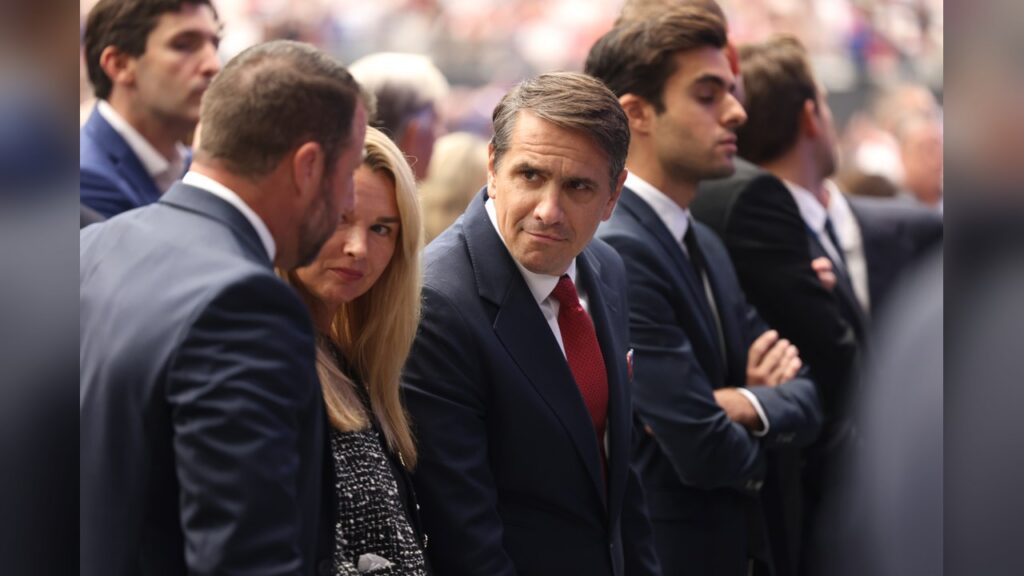 Gage Skidmore (BY-SA) via wikimedia
The problem, which Blanche himself conceded during his hearing, is that walking back a settlement requires the plaintiff’s consent. Harry Litman, the former U.S. attorney, put it plainly on his Substack: “Blanche cannot just unilaterally declare the Department’s obligations are extinguished.” Trump, for his part, took to Truth Social 24 hours before Blanche unveiled his commitment to announce he would “push hard” to revive the fund through legislation. “It will immediately be back on the table, and I will get it done.” The plaintiff, in other words, never agreed to anything. Representative Grace Meng stated the obvious: the underlying lawsuit remains active, the president never signed off, and the IRS protections for his family remain untouched.
So the concession was structurally void from the moment it was offered. Cornyn and Tillis either knew this and performed their outrage for the cameras before folding, or they did not know, which is worse. One suspects the former. These are, after all, men who have served in the Senate long enough to recognize a non-binding agreement when they sign one.
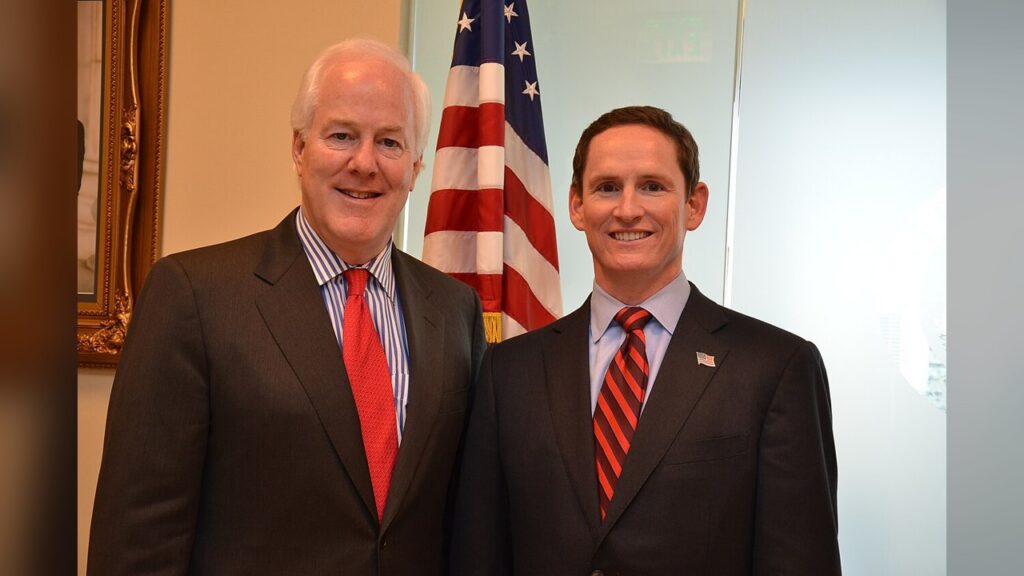 Office of Senator John Cornyn (Public domain) via Wikimedia Commons
And then, less than 24 hours after his swearing-in, Blanche’s Justice Department Office of Legal Counsel published a memo arguing that the president can claim executive privilege over communications with his “private advisers,” so long as those communications were confidential and related to presidential “decisionmaking.” The memo further extended privilege to cover communications between the president’s “direct advisers” and private civilians. This is not a minor adjustment. It is a structural expansion of executive secrecy that would allow the Trump administration to stonewall virtually any congressional inquiry, including investigations a Democratic House might launch after the midterms. Chuck Schumer called it correctly: the memo reveals a president “petrified of the questions a Democratic Congress will demand answers to.”
What we are watching is not a scandal in the conventional sense. Scandals are discrete events with identifiable perpetrators and moments of discovery. This is something more durable: the systematic conversion of a confirmation process into a procedural fiction, followed by the immediate deployment of the confirmed official’s authority to expand presidential power beyond what the Senate was told it was approving. The literature on democratic backsliding, particularly Bermeo’s work on executive aggrandizement, describes this pattern with unsettling precision. Elected officials use existing institutions to weaken those institutions, and the institutions cooperate because the officials within them calculate that their individual survival matters more than the system’s integrity.
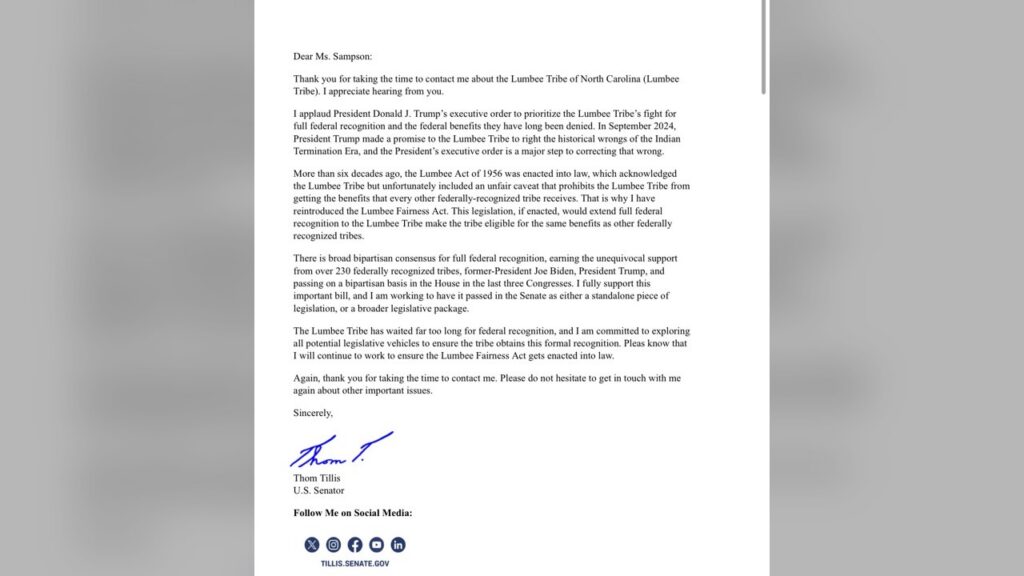 Momlumbee (CC0) via Wikimedia Commons
Cornyn and Tillis got their statements. Blanche got his confirmation. Trump got expanded privilege and a slush fund that was never actually killed. The only party that got nothing was the public, which is, as the structuralists among us have long observed, the one party the system was designed to serve.