


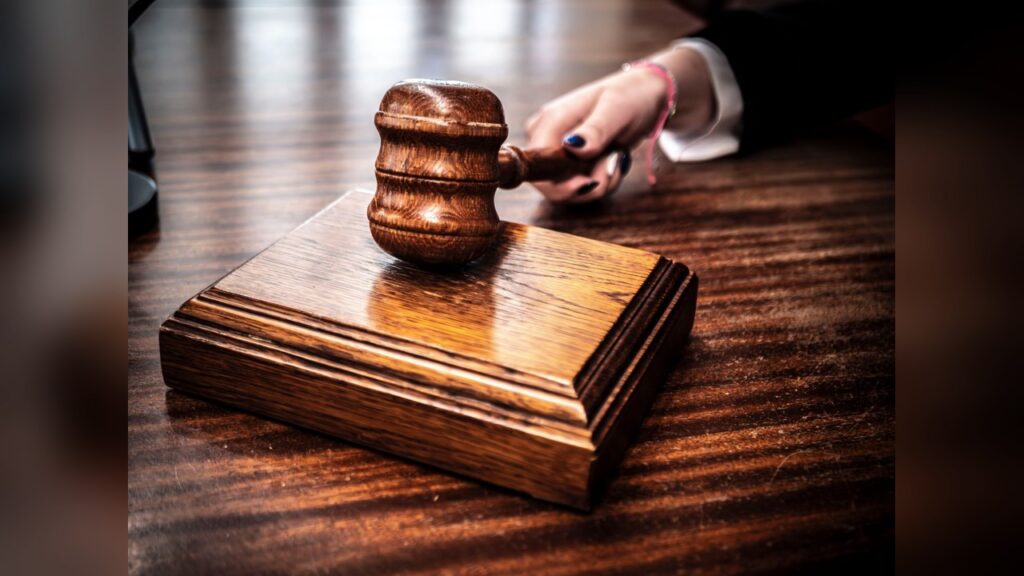
When a government starts sanctioning judges for doing their job, it is no longer arguing with the court. It is trying to burn the building down with the judges still inside.
The International Criminal Court confirmed this week that the United States has added two more names to its growing sanctions list: Judge Tomoko Akane of Japan, the President of the Court, and Abdoulaye Seye of Senegal, a Senior Trial Lawyer in the Office of the Prosecutor. That brings the running total to nine of the ICC’s eighteen judges, both Deputy-Prosecutors, the former Prosecutor, and a staff member. Half the bench. The entire prosecutorial leadership. Sanctioned by a single country that does not like what they are investigating.
The ICC called it what it is: “a flagrant attack against the independence of an impartial judicial institution.” Not a policy disagreement. Not a jurisdictional dispute. An attack. Because that is what you call it when a global superpower uses its financial system to personally ruin judges and prosecutors for applying international law to the powerful.
Let us be clear about who is being targeted here. These are not political operatives. They are jurists and lawyers, appointed by the Court’s member states across regions, tasked with investigating and adjudicating the gravest crimes known to humanity: genocide, war crimes, crimes against humanity. Judge Akane presides over an institution that exists because the world once agreed, after enough mass graves and enough impunity, that some crimes are too monstrous for any single nation to police alone. Abdoulaye Seye builds cases on behalf of victims who have exhausted every other avenue. These are the people the United States has decided to punish.
The ICC’s statement names the real harm. “When judicial actors are threatened for applying the law, it is the international legal order itself that is placed at risk.” And then the line that should stop every person who has ever cared about accountability in their tracks: “Threats and coercive measures also impact the ability of victims to seek justice, as they turn to the Court when all other avenues have been exhausted.”
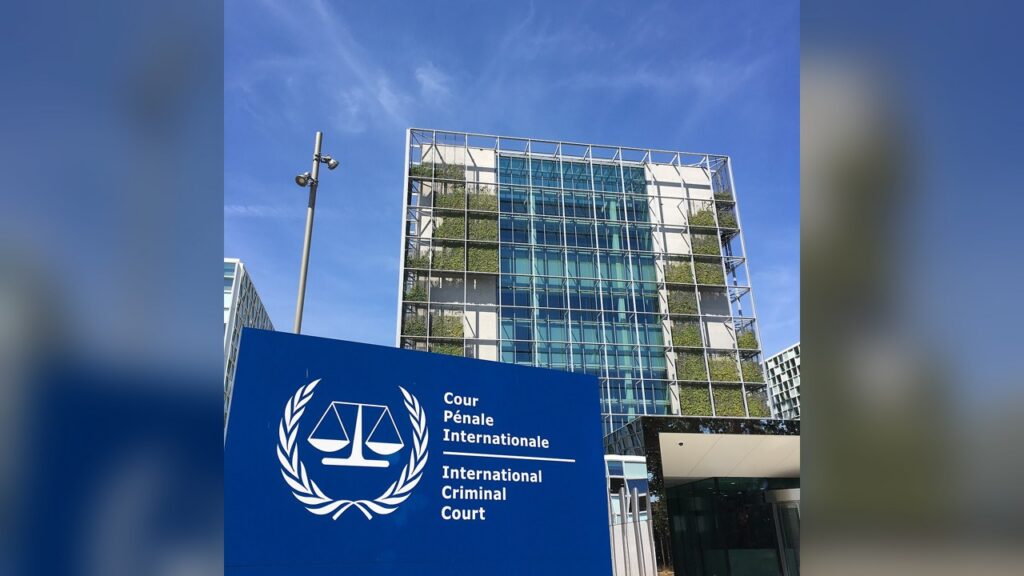 justflix (CC BY-SA 4.0) via Wikimedia Commons
That is the cost. Not abstract. Not institutional. Human. A survivor of atrocities in a conflict zone, watching the most powerful country on earth systematically kneecap the only court that would hear their case, understands exactly what this means. It means their suffering does not matter enough to inconvenience a superpower.
The United States is not a party to the Rome Statute. It never joined the Court. And yet it claims the authority to dictate who the Court may investigate, which judges may serve, which prosecutors may do their work. That is not sovereignty. That is impunity with a flag.
The ICC says it remains undeterred. Good. The Court’s member states, civil society organizations, and every government that still pretends to care about the rule of law now face a test they cannot talk their way out of. Solidarity is not a press release. It is funding, political cover, and public refusal to let one country dismantle the architecture of international justice because that justice might one day look its direction.
Nine judges sanctioned. Both deputy prosecutors. The former prosecutor. And now the Court’s president. If this pattern is not met with organized, sustained resistance from every state that signed the Rome Statute, there will be nothing left to resist. The Court will exist on paper, gutted in practice, and every war criminal with a powerful friend will know exactly what that emptiness is worth.
The question is not whether the ICC survives this. The question is whether anyone with the power to stop it will bother to try.