


What we are discussing, to be precise, is not a gaffe or a misstep but a structural pattern, and the fact that it requires re-explanation a decade later is itself a symptom of how thoroughly the mythology of the first Black presidency has insulated itself from its own record.
The claim now recirculating, attributed to Ashley Etienne, a former Obama White House and Harris vice-presidential communications staffer, is that Black aides were physically excluded from the room where the administration deliberated its response to the police killing of Michael Brown in Ferguson, Missouri, in August 2014. Angela Rye, the former executive director of the Congressional Black Caucus, raised the account in a public conversation. The details are Etienne’s to defend. But the pattern they describe is not anomalous. It is, if one has been paying attention, entirely consistent with how this presidency managed the tension between its symbolic significance and its substantive caution on racial matters.
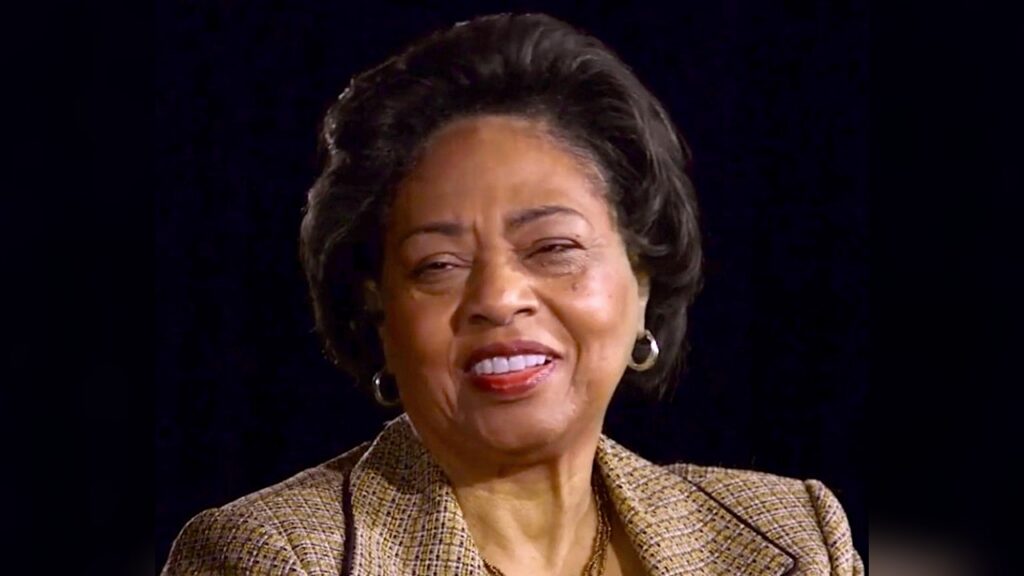 The Laura Flanders Show (CC BY 3.0) via Wikimedia Commons
Consider the documented case. On July 19, 2010, Shirley Sherrod, the USDA’s Georgia director of rural development and the first Black person to hold that position, was forced to resign while driving on a highway. The trigger was a selectively edited video posted by Andrew Breitbart, the right-wing provocateur, that stripped a March 2010 NAACP speech of its context and made Sherrod appear to be boasting about withholding assistance from a white farmer. The full video, when it surfaced, revealed the opposite: a story about overcoming racial prejudice. The NAACP initially condemned her. The White House, through Agriculture Secretary Tom Vilsack, demanded her head. She was gone before anyone in the administration bothered to watch the unedited tape.
This is not a conspiracy theory. It is the public record. A Black woman with decades of civil rights credentials, whose father was murdered by a white farmer in 1965 while an all-white grand jury declined to indict, was discarded by a Black president’s administration because a right-wing blogger manufactured a clip. The institutional reflex was not to protect a loyal public servant. It was to manage optics. The speed of the capitulation, the bureaucratic panic, the refusal to verify before acting: these are the behaviors of an administration that had internalized a particular calculus, one in which Black staff were expendable when their presence became politically inconvenient.
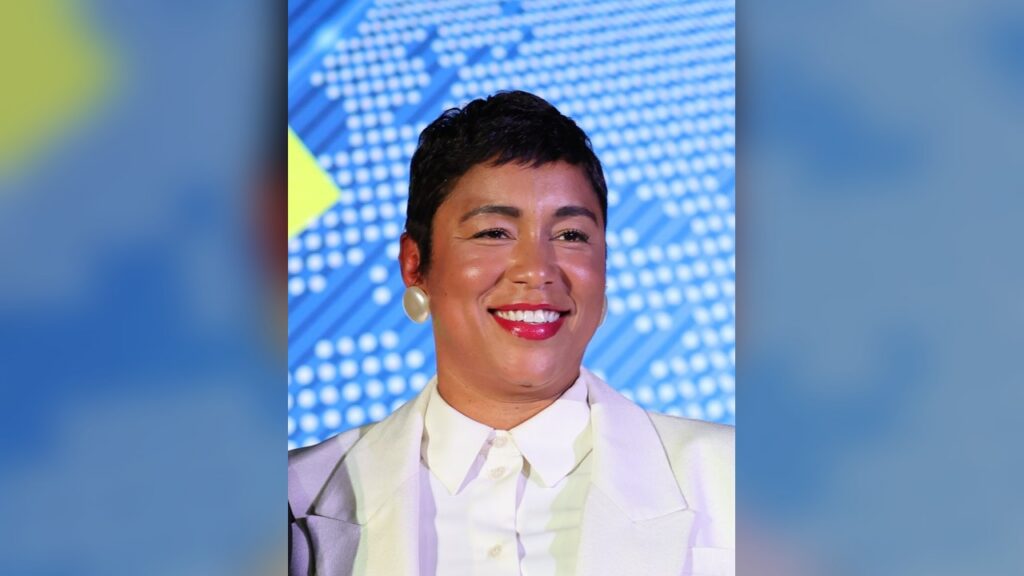 Jennifer 8. Lee (CC BY-SA 4.0) via Wikimedia Commons
Now extend that logic to Ferguson. An unarmed Black teenager lies dead in the street. A city erupts. The nation’s first Black president convenes his team. And according to Etienne’s account, the Black staffers, the ones who might have spoken with moral authority about what Ferguson meant to the communities that had invested so much in this presidency, were not permitted in the room. One does not need to regard this as malicious to recognize it as structural. The Obama White House treated racial controversy as a liability to be managed, not a crisis to be addressed. Black voices were assets during campaigns and complications during governance.
There is a substantial literature on symbolic representation versus substantive representation, on the gap between descriptive and substantive democracy, on how institutions absorb and neutralize the very constituencies they claim to embody. This is that literature, illustrated in real time, at the cost of real people.
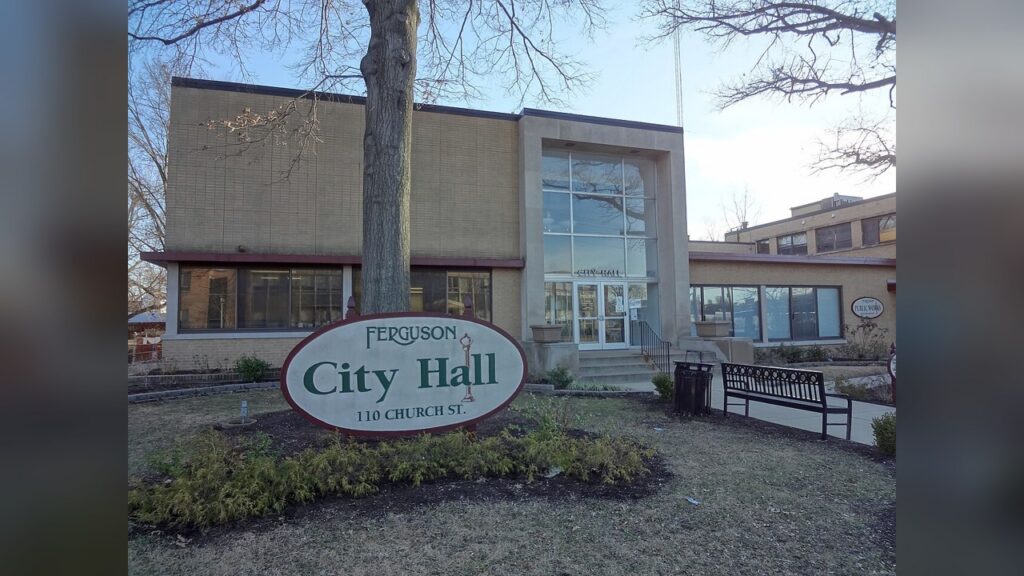 Paul Sableman (CC BY 2.0) via Wikimedia Commons
The Sherrod firing cost a civil rights pioneer her federal career. The Ferguson exclusion, if Etienne’s account holds, cost an administration the counsel it most needed. Both decisions flowed from the same institutional instinct: protect the brand, manage the optics, and treat Black staff as furniture that can be moved out of frame when the lighting is wrong.
That the mythology persists anyway is the truly exhausting part.