


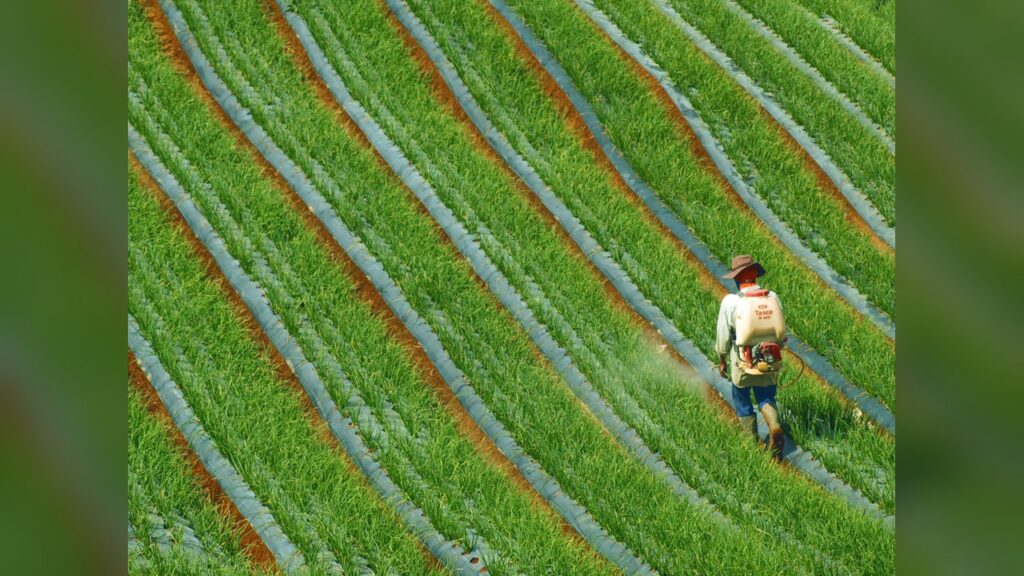
Seventy-plus countries banned this stuff. Seventy. China said no. The UK said no. The entire European Union said no. But here in the good old US of A, the Environmental Protection Agency looked at a chemical so toxic it has a government webpage literally titled “One Sip Can Kill” and said, “Yeah, that’s fine, spray 14 million pounds of it on our food every year.”
I have four kids. I pack lunches. I buy grapes and almonds and soybeans at the grocery store like every other mom in this country, and now I find out that the stuff sprayed on those crops is linked to Parkinson’s disease, thyroid disease, childhood leukemia, non-Hodgkin lymphoma, and birth defects? And the federal agency whose entire job is to protect us from exactly this kind of thing reapproved it. Twice. In 2021 and 2024.
Excuse me?
California finally did the right thing this week. Every manufacturer of paraquat voluntarily cancelled its registration in the state after regulators, following a 2024 law called AB 1963, started asking for updated health data. And here’s the part that should make every parent in this country furious: instead of handing over their safety studies, the pesticide makers just packed up and left. Syngenta, the Chinese-owned company that made the most paraquat, pulled its permit in April and announced it would stop producing the chemical altogether. If that doesn’t tell you what’s in those studies, I don’t know what will.
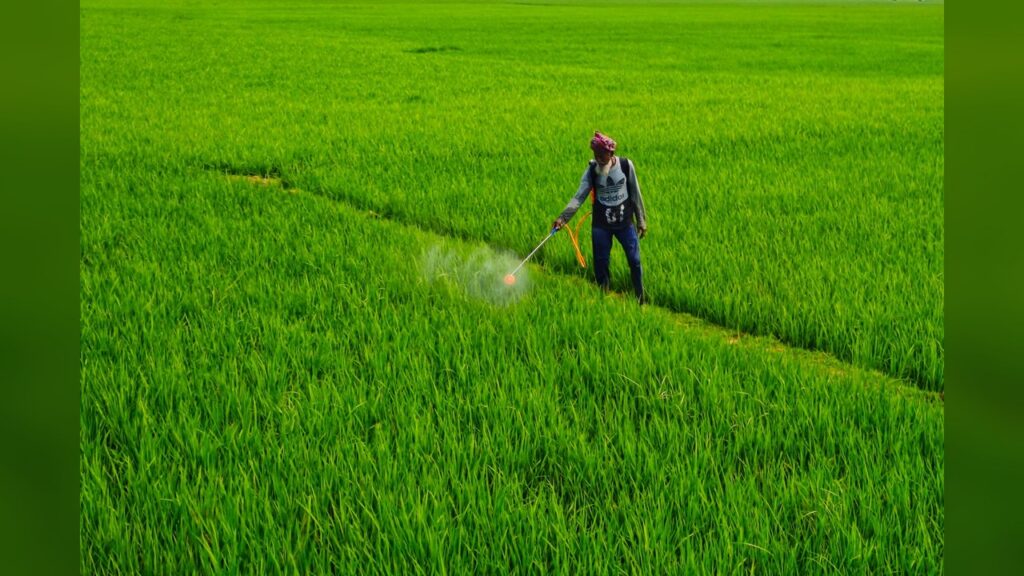 Dibakar Roy / Pexels
They’d rather walk away from the biggest agricultural market in America than show us the data. Read that again.
Nathan Donley, the science director at the Center for Biological Diversity, called paraquat “the most acutely lethal pesticide ever made.” There is no antidote. No cure if you get poisoned. It kills through skin contact, through breathing it in. A spill in Dorris, California, locked down 600 people in their homes. The Guardian reported in 2023 that Syngenta maintained a literal “Swat team” to go after independent research that might threaten its “freedom to sell” paraquat. Whistleblowers say the EPA’s pesticide division is captured by the industry it’s supposed to regulate. A significant chunk of the agency’s funding comes from approving new pesticides.
So let me get this straight. The agency we trust to keep poison off our food gets paid by the companies making the poison. And we’re supposed to believe their safety reviews are on the level?
Vermont banned paraquat first. Thirteen other states, from New York to Hawaii, are pushing bills right now to restrict or prohibit it, some specifically near public schools. Near schools. Where children sit outside and eat snacks and breathe air. We need a law to keep weedkiller that causes Parkinson’s away from a playground, and the California Farm Bureau fought it, claiming it “bypasses the scientific review process.” You know what bypasses the scientific review process? Refusing to share your science when regulators ask for it.
 User:bobjgalindo (CC BY-SA 3.0) via Wikimedia Commons
EPA Administrator Lee Zeldin posted on social media that the agency would “freshly reassess” paraquat’s safety. Posted. On social media. Like it’s a lifestyle announcement. No ban. No timeline. Just a vibe check on a chemical that 70 countries already decided was too dangerous for their citizens.
The California Department of Pesticide Regulation found that paraquat stays in soil for potentially decades. Decades. It doesn’t wash away. It doesn’t break down. It sits in the dirt where our food grows and where our kids play, and the federal government’s response is “we’ll take another look.”
Bernadette Del Chiaro from the Environmental Working Group said California is sending a powerful message that there’s no place for paraquat in modern agriculture. She’s right. But the message I’m hearing louder than that is the one coming from Washington: they think we’re too busy to notice. They think we’ll just keep packing the lunches and buying the grapes and trusting the process.
We noticed.